The forever war in Ukraine?
Russia’s ‘special operation’ has now lasted longer than the First World War.
Want unlimited, ad-free access? Become a spiked supporter.
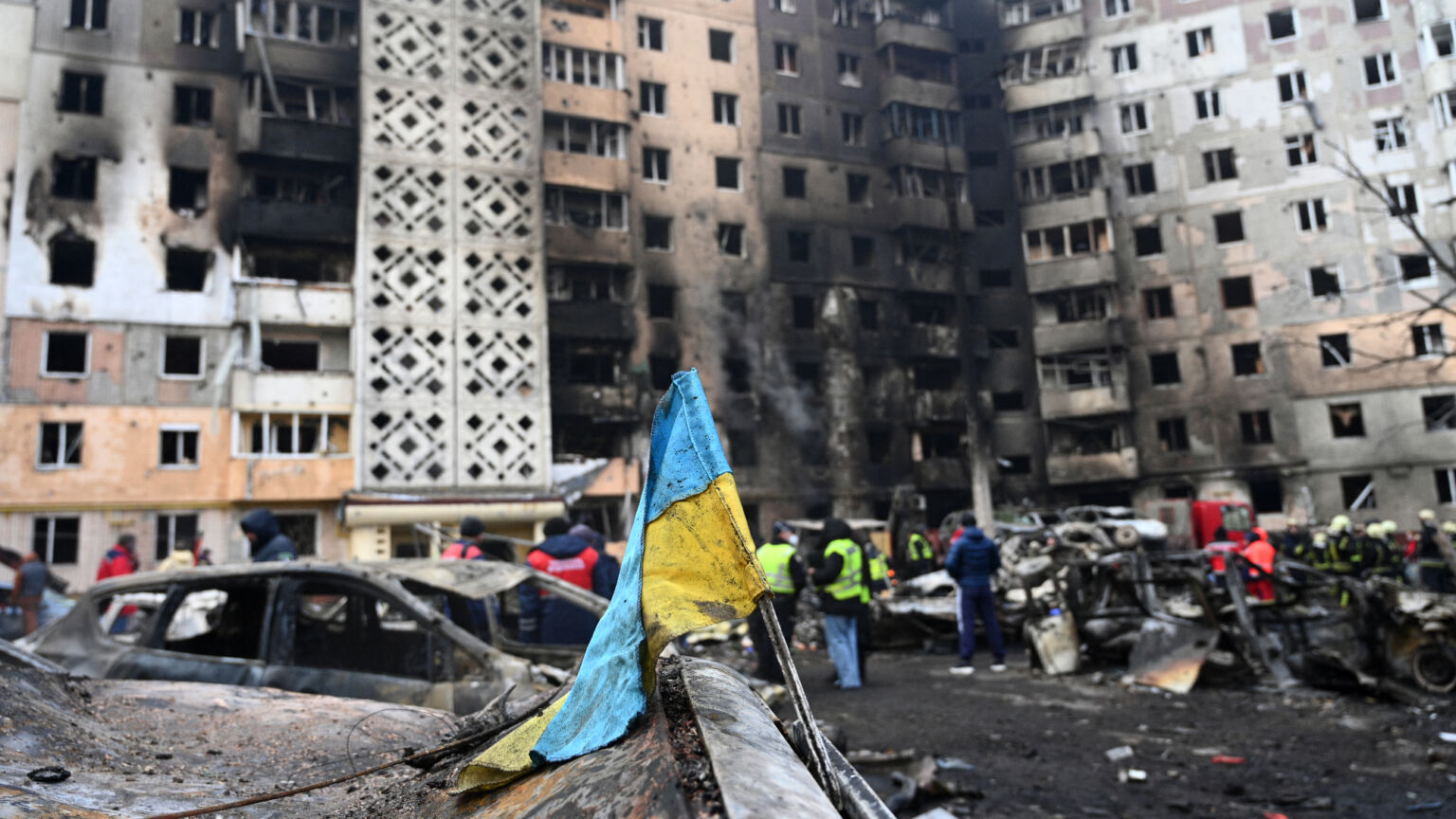
On 11 June 2026, we passed an important and disturbing milestone. This was the day that the war in Ukraine, at four years, three months and 15 days, surpassed the First World War in duration. Sometimes it can seem as if this conflict has turned into a genuine forever war.
The seeming interminability of the war is not a surprise. As I argued in my 2022 book, The Road To Ukraine: How The West Lost Its Way, this was a conflict that neither side could afford to lose. And, as a result, it always threatened to become a typical frontier war that could last indefinitely.
Few Western observers thought that likely in the immediate aftermath of Russia’s invasion. They seemed to regard the border between Ukraine and Russia as a 21st-century version of the Maginot Line, which would be breached in a matter of days. Military experts associated with NATO were in no doubt that once Russia invaded Ukraine, the war would be over in short order. They all expected a ‘quick Russian battlefield victory’.
Indeed, shortly before Russia’s invasion, the US chairman of the joint chiefs of staff, General Mark Milley, told congressional leaders during a private meeting that Ukraine would ‘fall in 72 hours’. It was a sentiment common among Western officials at the time. When the Ukrainian ambassador to Germany asked for help as Russia’s invasion began, a German official told him it was pointless to send weapons since the war would be over in 48 hours.
Reading the views of Western officials, military and business leaders during Russia’s initial assault, it is clear they expected it to be a very short episode – an unpleasant interlude before returning to business as usual. Business as usual was certainly on the mind of Herbert Diess, the chief executive of Volkswagen. In May 2022, he called for a negotiated settlement between Russia and Ukraine so that sanctions could be lifted to avoid damaging the German economy. This remark, made on day 75 of the war, showed how many senior figures in the West did not grasp the tectonic shift in geopolitical affairs unleashed by Russia’s invasion of Ukraine.
Since the war began, it has seemed as if the whole world, led by the West, has directly or indirectly acquired a stake in its outcome. Initially, the US appeared to see the conflict as an opportunity to launch a proxy war against Russia. As Colonel Doug Macgregor, a former senior advisor to the US secretary of defence, put it in 2022: ‘It looks more and more as though Ukrainians are almost incidental to the operation in the sense that they are there to impale themselves on the Russian army… because the real goal of this entire thing is the destruction of the Russian state and Vladimir Putin.’ Macgregor’s cynical assessment of America’s war aims was shared by other Washington-based experts.
As the intractability of the war became more apparent during 2023, America became bored of going through the motions of supporting Ukraine. So much so that it appears today as if the Trump administration just wants the war to end, no matter the cost.

In contrast to the US president, Europe’s leaders have repeatedly professed their unconditional support for Ukraine. They are keen to associate themselves with, and derive some moral authority from, the Ukrainians’ heroic struggle for national sovereignty. That is why they continually assert that Ukraine is fighting for the security of Europe. Yet, while their rhetoric is forceful, European states have shown themselves incapable of delivering the military support that would make a real difference to the outcome of the war.
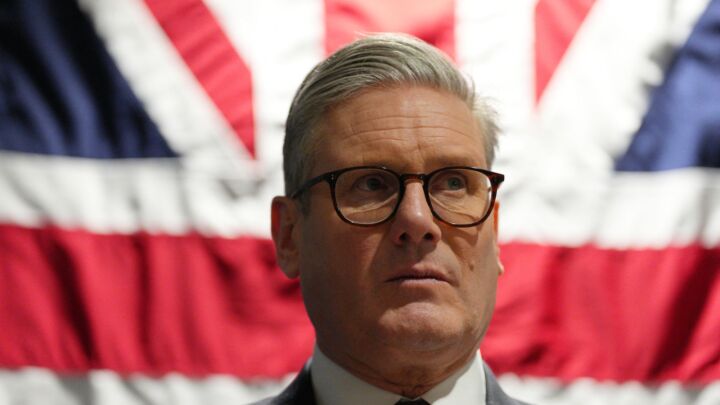
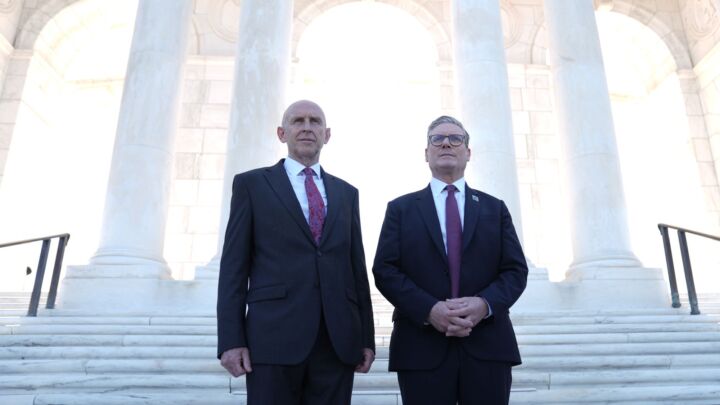
Indeed, the war has exposed Europe’s irrelevance as a serious military power. Europe’s leaders talk the talk of rearmament, but they have made little headway in improving their military power. The resignations this week of both the UK’s defence secretary and armed forces minister, in protest at the Starmer government’s refusal to sufficiently increase military spending, have exposed the emptiness of the claim, ‘we stand with Ukraine’.
In the meantime, China and especially North Korea have become more deeply involved in the conflict. Two years ago, Russia and North Korea signed a ‘comprehensive strategic partnership treaty’ which commits the two nations to mutual defence. Unlike Europe’s so-called Coalition of the Willing, North Korea has actually deployed its troops on the front line. China, for its part, provides Russia with military hardware and economic resources.
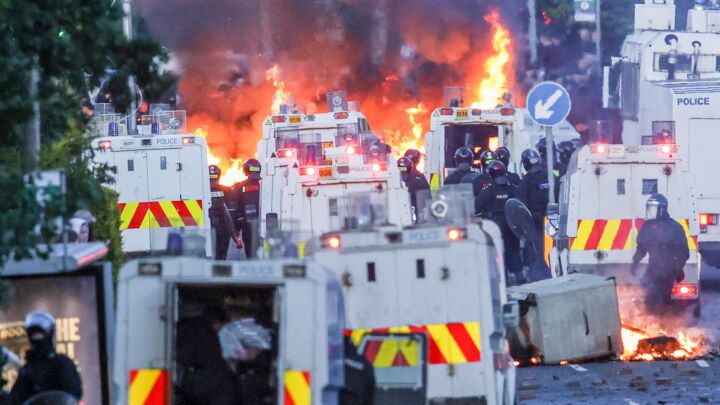
Over the past few years, it seems as if the war in Ukraine has become a silent global conflict. Formally, it’s not even a war. There has certainly been no declaration of war, and Putin still refers to it as a ‘special military operation’. For their part, Western governments supporting Ukraine have been extremely careful not to cross a line that would lead to them having to fight.
One of the most remarkable features of this conflict has been Ukraine’s ability to adapt to the enormous threat posed by Russia. Despite its vastly inferior manpower and military and economic resources, Ukraine has still fought Russia to a standstill. The relatively cheap drones produced by Kyiv have certainly proved more than a match for Russia’s expensive military hardware. According to one account: ‘Perhaps the war’s most radical single innovation has nothing to do with the land at all: Ukraine has effectively destroyed Russia’s Black Sea Fleet using sea drones, without ever having a navy of its own’.
Indeed, Ukraine’s innovative use of drone technology has fundamentally changed the conduct not just of this war, but of warfare in general. No wonder so many other parties are now showing an interest in gaining access to Ukraine’s drone technology.
But despite the success on the battlefield, Ukrainian forces are unlikely to break the stalemate between the two sides. Ukrainians are in no doubt that the war must end. Tragically, however, the current global situation is not hospitable to a compromise that could lead to genuine peace. There is even a very real danger that the longer the war continues, the more other parties will get involved. The risk of the conflict escalating remains high.
We live in a world where diplomatic illiteracy prevails and where so-called global leaders have no idea how to bring about peace.
Frank Furedi’s The Road To Ukraine: How The West Lost Its Way is published by De Gruyter.
You’ve hit your monthly free article limit.
Support spiked and get unlimited access.
Support spiked and get unlimited access
spiked is funded by readers like you. Only 0.1% of regular readers currently support us. If just 1% did, we could grow our team and step up the fight for free speech and democracy.
Become a spiked supporter and enjoy unlimited, ad-free access, bonus content and exclusive events – while helping to keep independent journalism alive.
Monthly support makes the biggest difference. Thank you.



Comments
Want to join the conversation?
Only spiked supporters and patrons, who donate regularly to us, can comment on our articles.