Why the Battle of Ideas matters in our age of censorship
The original free-speech festival is the antidote to cancel culture, conformism and the state’s attempts to control the narrative.
News that Robert Jenrick, Reform UK’s shadow chancellor, has been reported to the police and to Prevent over comments about Islam almost feels unsurprising. It should shock us. Instead, it has become a normalised part of British life that ‘speech crimes’ can mean investigation, arrest and even imprisonment for things you have said. The cumulative effect of speech-restricting laws has given the UK government and its agencies extraordinarily broad powers, with few checks and balances. A complaint – almost certainly driven by politicised rows over the definition of Islamophobia – is now enough to divert the forces of law and order, so often absent from policing real crimes from shoplifting to sexual assault, into checking whether Jenrick’s remarks breach legislation on stirring up religious hatred. Prevent, meanwhile, must run the bureaucratic process of deciding whether those comments fall within its definition of ‘extreme right-wing ideology’, rather than investigating actual threats of terrorism.
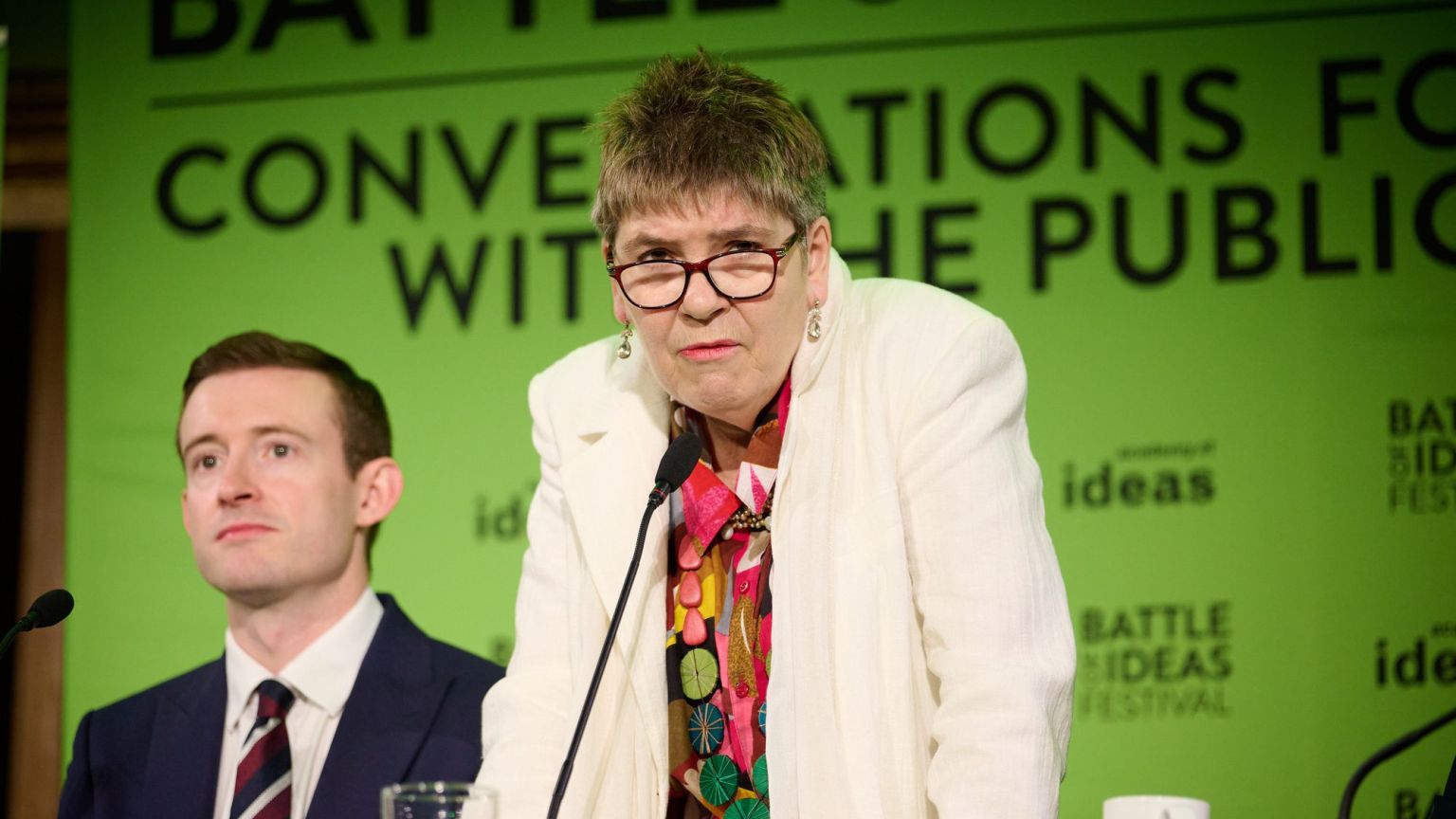
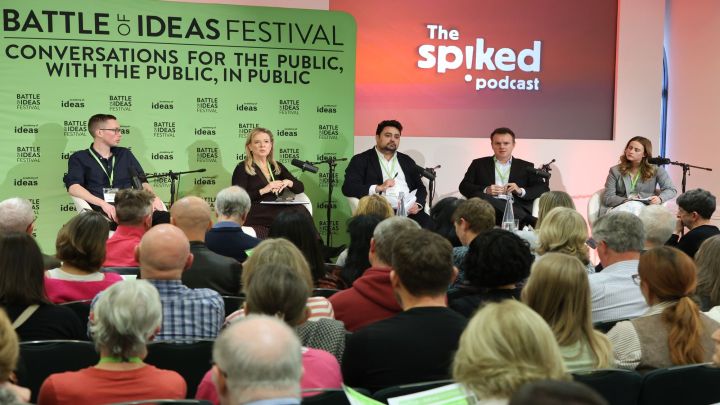
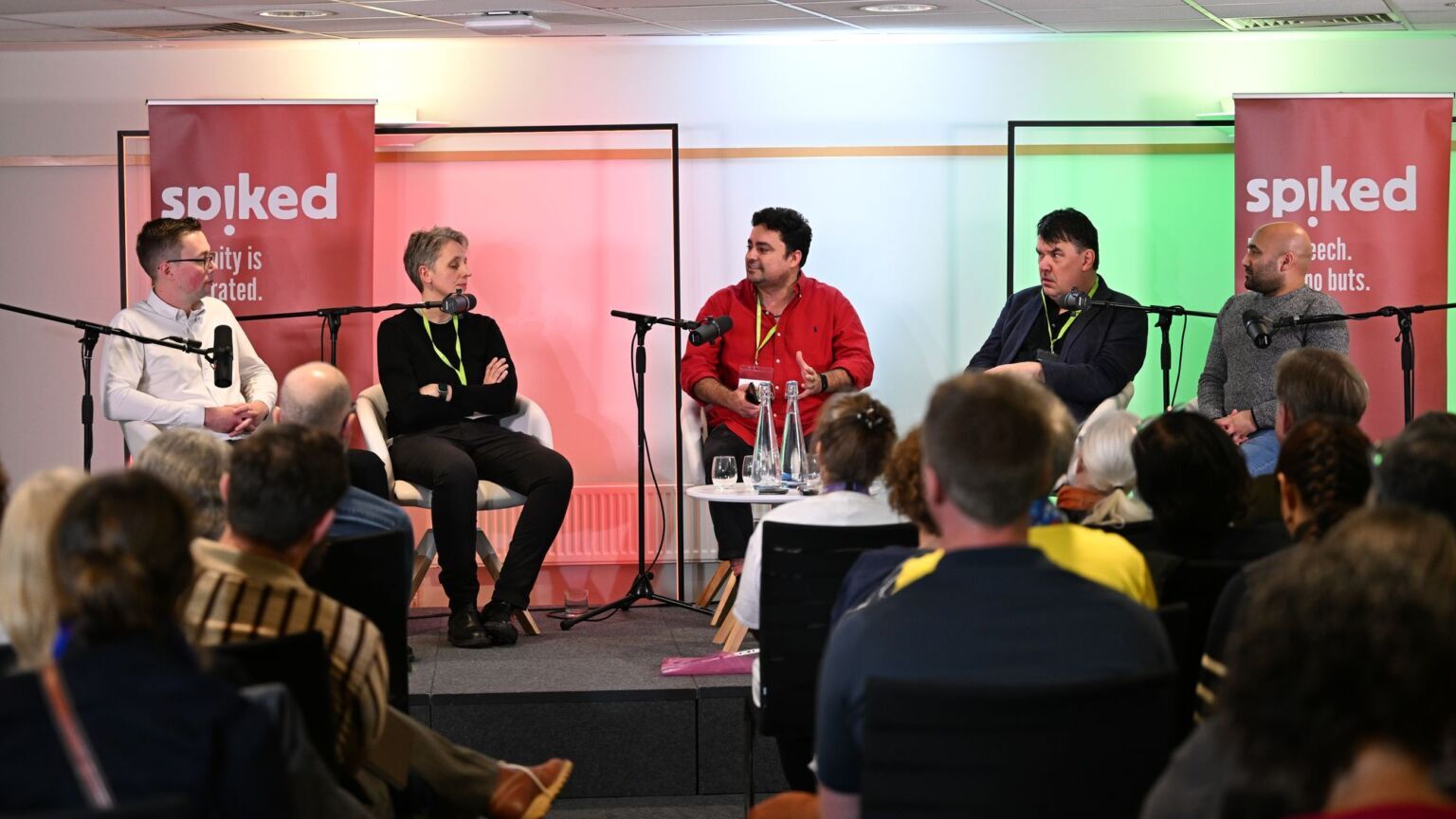
Jenrick’s remarks were blunt. ‘Radical Islam is a threat to everything that we hold dear’, he said. He called for an end to ‘wearing the burqa, Shariah courts, hate preachers’. We should be free to ridicule and criticise Reform’s positions on this as freely as we argue against supporters of Islamism. The point is that we should be free to hear such views and free to answer back. That is the approach behind the Battle of Ideas festival this weekend, on 17 and 18 October, with almost 120 panels, more than 400 speakers and a public audience of thousands given time and encouragement in each session to discuss, scrutinise and argue these questions out. See the programme here and a list of speakers here.
Free-speech recession
We need such forums because it is increasingly accepted that Britain is going through a free-speech recession. A recent Big Brother Watch report, ‘Britain’s Free Speech Problem: How growing restrictions are stifling speech online and offline’, found that at least 62,199 people in the UK were arrested for communications offences over the past five years. It also documented a postcode lottery of speech policing: some forces made 14 times as many per-capita arrests as their neighbours. Big Brother Watch concludes that the UK needs a free-speech reset and has called on the government to commission an independent national review of the cumulative impact of legislation on online speech, communications offences and protest, with recommendations to protect fundamental rights. Such reports are crucial evidence. But the fightback has to be more than lobbying against laws. We also need a grassroots public furore against the censorship we face.
Reasons to be cheerful
There are signs the public knows we live in a ‘you can’t say that’ society and dislikes the oppressive censorship that has become mainstream. YouGov polling for Big Brother Watch found that the most popular view is that the UK should have fewer restrictions on free speech, with significantly more people favouring fewer limits than tougher ones. Big Brother Watch’s ‘Free speech makes Britain great’ billboards, with the slogans 'Unmute yourself' and ‘Say what you really think’, have made a splash. A separate Liberty poll found that 51 per cent of Britons believe their fundamental right to free speech has been eroded during the past two years of a Labour government. Forty-two per cent said their ability to express controversial political opinions without legal consequences had worsened; almost as many said their understanding of what can lawfully be said in the UK had worsened. Liberty director Akiko Hart (who is speaking on the Battle of Ideas panel, ‘Free speech for me and not for thee?’) suggests: ‘The new prime minister [Andy Burnham] must see these findings as a warning sign. Free speech is a fundamental right that benefits us all, and a healthy democracy depends on people feeling confident that they can express themselves freely and disagree with each other.’
Controlling the narrative?
Regardless of this public backlash, the government continues to chip away at these freedoms, largely by building an elaborate system for policing so-called disinformation, misinformation and ‘dangerous’ counternarratives. One target is what media the public consumes. Culture secretary Lisa Nandy’s green paper, ‘Watch this Space’, calls for social-media platforms to be forced to give prominence to ‘trustworthy’ news sources – as defined by the government – and to demote everything else. This is a desperate attempt to control the narrative as more and more people reject official censorship. The irony is sharpened by Ofcom, which, due to an ‘administrative error’, omitted its own survey findings when it published its annual report on news consumption. It found that 74 per cent of GB News viewers consider the channel trustworthy, compared with 71 per cent for Sky, 67 per cent for ITV, 66 per cent for the BBC and 59 per cent for Channel 4.
More broadly, despite early censorious successes against right-leaning media, the tide is turning because the public is resisting being told what to watch, listen to and read. Campaigns that, at the turn of the decade, drove advertisers off certain screens and newspapers out of reputational fear, have largely died. Elon Musk’s X recently reported UK revenues of £46.4million in 2025, up 60 per cent on the previous year, despite an advertising boycott egged on by campaign groups. Stop Funding Hate, which tried to thwart GB News before it even went on air, must be incandescent that GB News has been the UK’s most-watched news channel for more than a year, while Stop Funding Hate’s most recent crowdfunder scraped together little more than a quarter of its £50,000 target. Meanwhile, the Good Law Project’s obsessive attempts to refer contentious comments on GB News to Ofcom have mostly failed, and it has lost huge credibility through consistent defeats in court.
Up to us
But there is no room for complacency. Everyone claims to believe in free speech – until someone says something they dislike. That produces a censorious tit-for-tat cancel culture, not just on the left but increasingly on the right. Instead, we must uphold free speech as a principle for all. And we need to start exercising our free-speech muscles that risk atrophying in an era of progressive censorship.
That is why the Battle of Ideas, the original free-speech festival, matters. Our mottos are Free Speech Allowed and Free Thinkers Welcome. We are committed to encouraging attendees to speak their minds and argue. Topics deemed off-limits elsewhere are treated here as chances for people to have their say. It is an opportunity to escape political echo chambers and to engage with those you may disagree with on specific issues but who, like you, value free speech. That is the healthy debate a democracy needs. See you there.
spiked readers can get 20 per cent off tickets to the Battle of Ideas with the promo code SPIKED or by clicking here.
Claire Fox is director of the Academy of Ideas, which convenes the Battle of Ideas, and a member of the House of Lords.
Support spiked and get unlimited access
spiked is funded by readers like you. Only 0.1% of regular readers currently support us. If just 1% did, we could grow our team and step up the fight for free speech and democracy.
Become a spiked supporter and enjoy unlimited, ad-free access, bonus content and exclusive events – while helping to keep independent journalism alive.
Monthly support makes the biggest difference. Thank you.

Comments
Want to join the conversation?
Only spiked supporters and patrons, who donate regularly to us, can comment on our articles.