How Denmark defused the immigration debate
The UK could learn a lot from a nation with strict border controls and a commitment to integration.
Want unlimited, ad-free access? Become a spiked supporter.
When refugees are granted asylum, we owe them proper support. This means structured opportunities to work, learn the language and integrate. In return, we must also demand an explicit commitment to adopt our values and contribute fully as citizens.
Currently, Britain is failing on both fronts. As a consequence, our debate is increasingly being dominated by two opposing fringes – those who advocate for completely open borders without the need to comply with any of our rules versus those who want anybody with brown skin to be deported immediately.
Earlier this year, Labour pointed to Denmark as a model of asylum reform. But can emulating Copenhagen resolve Britain’s systemic failures? That question can only be answered if you ask how Denmark got to where it is, and whether its model is actually working.
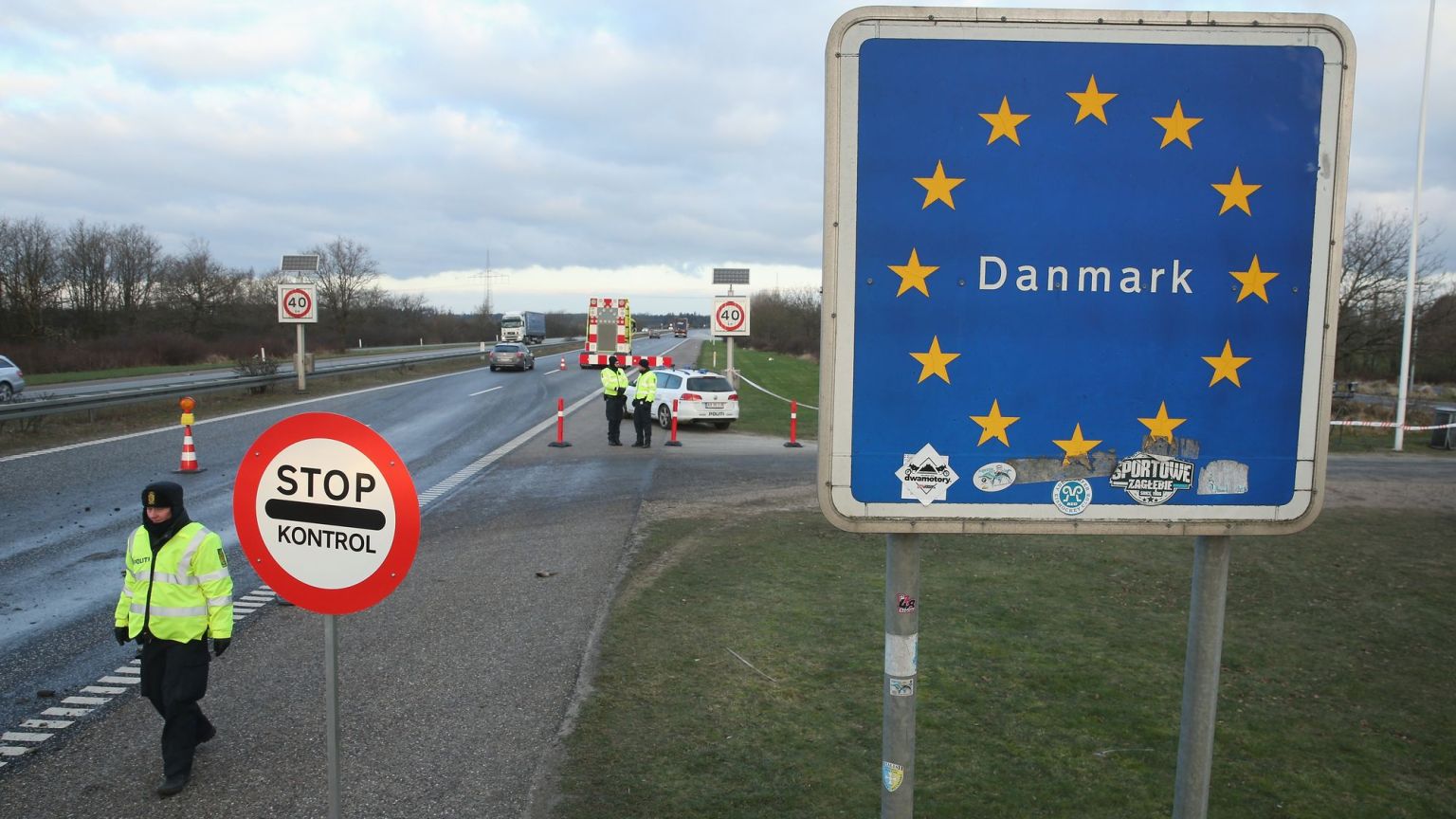
Denmark’s change in approach towards its asylum system began in the wake of the 2015 Europe-wide migration crisis. In 2019, facing relentless electoral pressure, Denmark’s newly elected Social Democrats heeded the demands of Danish citizens. The government imposed firm border control and unyielding integration standards. The strategy transformed Danish politics. In fact, it has neutralised the immigration debate.
This consensus has been forged through policy, not empty rhetoric. Refugees granted protection are placed into a structured integration programme which can last up to five years. It requires compulsory Danish language tuition, employment training and participation in local community life. Refugees cannot choose where they live, preventing ghettoisation.
Denmark has also sought to reshape the asylum system in Europe. Prime minister Mette Frederiksen has pushed hard and partly managed to get the EU to agree to ‘return hubs’ for failed refugees. At the same time, she has long prioritised the controlled resettlement of quota refugees from United Nations camps over spontaneous arrivals. This is much fairer for the refugees living in these camps as they cannot afford to travel to Europe, let alone pay people smugglers.
Enforcement gives the system credibility. Fast-track court processing means economic migrants are dealt with within weeks, not years. The logic is simple: rules must mean something if public trust is to survive.

Immigration becomes explosive when voters feel that the state has abandoned any attempt at controlling it. Denmark hasn’t eliminated the political debate over immigration, but it has significantly reduced the temperature of it. By establishing cross-party consensus around firm borders and integration, Denmark has defused the sense of a permanent national crisis. For a country that once viewed the issue as an existential threat, that achievement demands attention. Denmark hasn’t solved immigration entirely. Parties still fight over specifics, but they argue within a shared framework.
If Shabana Mahmood is truly looking north for inspiration, her challenge isn’t just getting the right policy. She needs a consensus. And this is her big problem.
On no issue is the UK more united than immigration. The vast majority of the country wants significantly lower legal immigration and an end to illegal immigration. But the Labour Party wants something different. Last year, then prime minister Keir Starmer said mass immigration had made Britain an ‘island of strangers’. The Labour faithful promptly forced him into a humiliating apology. Also last year, Mahmood tried to make immigrants wait longer to receive welfare benefits. But even this was considered ‘cruel’ by the party base. That’s why, at last month’s conference, Mahmood effectively promised to increase the UK’s asylum intake. In today’s Labour Party, MPs must choose either the will of the party or the will of the people.
Shabana Mahmood was right to look at Denmark for inspiration. But, until her party does the same, the UK’s immigration system will continue to generate maximum heat, with zero light.
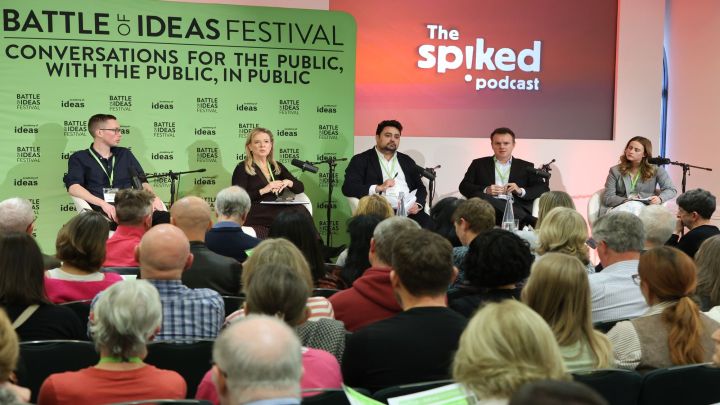
Henrik Overgaard-Nielsen is a former MEP for the Brexit Party. He is speaking at the Battle of Ideas on the panel, ‘Europe’s Migration Chaos: Can We Learn From the “Danish Model”?’, on Saturday 17 October at 12.30pm. Get 20 per cent off tickets with the promo code SPIKED here.
You’ve hit your monthly free article limit.
Support spiked and get unlimited access.
Support spiked and get unlimited access
spiked is funded by readers like you. Only 0.1% of regular readers currently support us. If just 1% did, we could grow our team and step up the fight for free speech and democracy.
Become a spiked supporter and enjoy unlimited, ad-free access, bonus content and exclusive events – while helping to keep independent journalism alive.
Monthly support makes the biggest difference. Thank you.


Comments
Want to join the conversation?
Only spiked supporters and patrons, who donate regularly to us, can comment on our articles.