Spain’s pre-election strikes were a desperate gambit from the left
In backing the protests, Pedro Sánchez hopes voters will forget who’s really to blame for the dismal state of Spain.
Want unlimited, ad-free access? Become a spiked supporter.
The nationwide strikes currently roiling Spain may appear from the outside as a bottom-up, populist revolt against the rising cost of living. Or as an echo of the indignados uprising of 2011, which brought 15million Spaniards on to the streets to protest against state corruption, austerity measures and the financial crisis. But there is more to this than meets the eye.
The main Spanish trade unions, the Workers’ Commissions (CCOO) and General Union of Workers (UGT), called for the first general strike in 14 years to protest against Spain’s worsening housing crisis and cost-of-living pressures. These are undoubtedly major issues that will have brought many millions on to the streets.
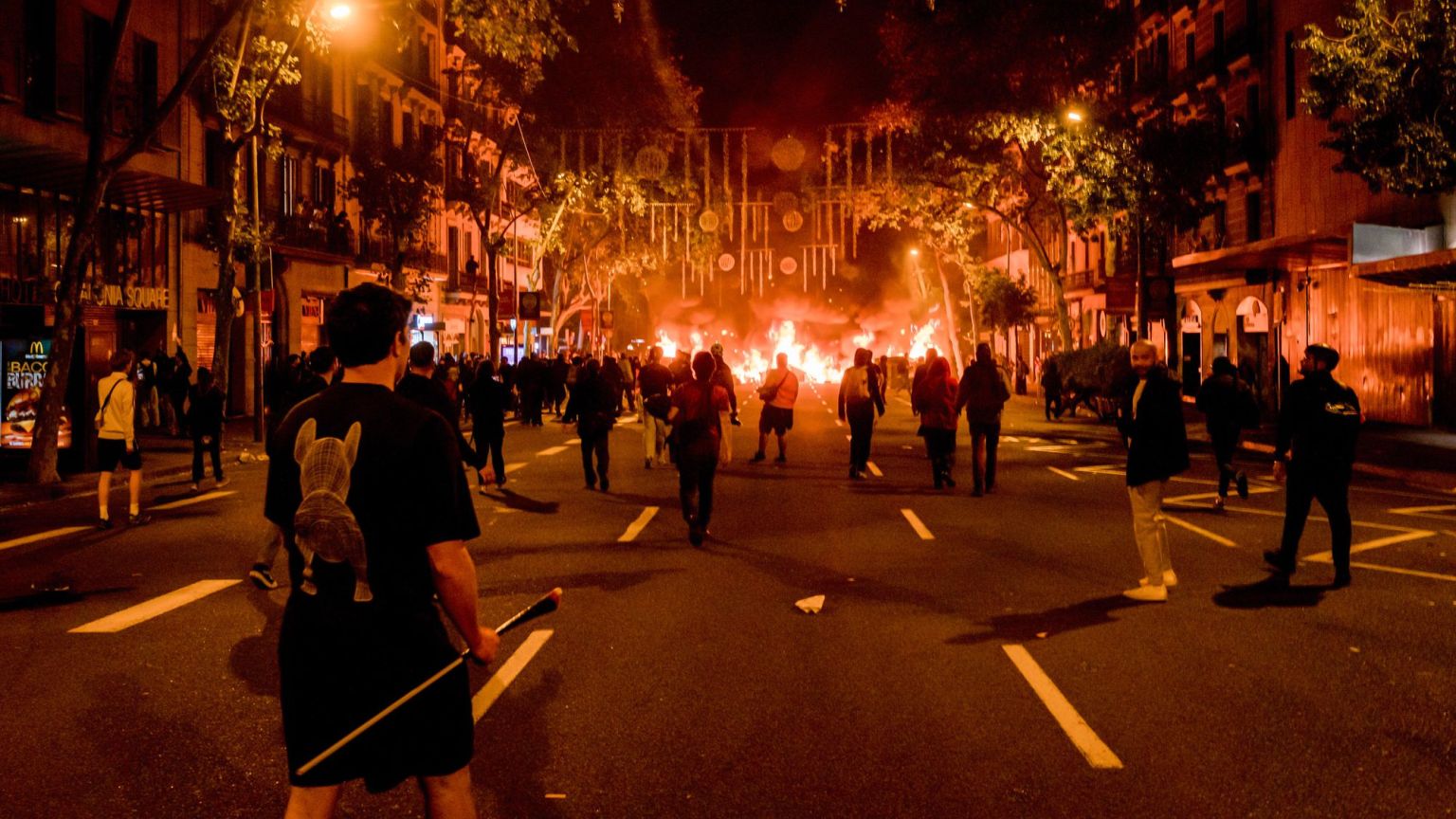
In Barcelona on Wednesday night, this descended into violence, with significant clashes between masked men and the police. It is difficult to say how many workers have joined the strikes. One thing for certain is that urban youths, many of them unemployed or studying, have participated with gusto. To an extent, this is unsurprising, considering they are the ones hardest hit by Spain’s crippling rental market.
Yet to say that most working-class Spaniards are sceptical about the strike would be an understatement. The strikes, after all, have been backed and heavily promoted by Spain’s ‘progressive’ coalition government led by the Spanish Socialist Workers’ Party (PSOE). Meanwhile, the two main Spanish trade unions – CCOO and UGT – seem to have suddenly discovered bread-and-olive-oil issues, just when polls show that prime minister Pedro Sánchez and the PSOE may lose November’s snap election.
That the strikes have state backing is bordering on surreal. ‘When our country stops, it is always to move forward’, said labour minister Yolanda Díaz. ‘Every right that workers in this country enjoy was won through struggle and strikes’, social-rights minister Pablo Bustinduy said. Sources close to Sánchez have even described it as a strike ‘against the opposition’. Do they expect voters to forget who has been in power over the past eight years? You could not make this stuff up.
To most Spaniards, the reason for the strikes is obvious: a progressive political class desperate to salvage its increasingly bleak political prospects and to divert attention from its own manifold failures. Prime among these is last month’s train crash in Urda, Toledo, which killed 69 people – the second train crash causing significant fatalities in less than a year.
Of course, there can be no doubt that housing costs and shortages are now out of control in Spain. But these problems must be laid squarely at the feet of the PSOE. A raft of new measures protecting the rights of tenants has thrown owners, who have left the market rather than meet the onerous new conditions, under the bus. In cities such as Barcelona, this has produced more squatters, fewer available rentals and significantly higher prices. Basically, renting is now much harder for the very people the PSOE wanted to protect.
Sánchez has had nearly a decade to fix Spain’s shattered economy. However, in that time, he has failed to build the public housing the country needs and failed to reduce burdensome red tape – two obvious fixes to the current crisis. Instead, Sánchez and the PSOE have pursued a relentlessly woke agenda, allowed infrastructure to crumble, heavily taxed citizens, and opened the borders to unprecedented levels of immigration. Meanwhile, a number of senior PSOE figures have been charged or convicted for their involvement in corruption scandals.
The Spanish people are unlikely to be fooled by Pedro Sánchez’s latest desperate ploy. The verdict is in on him and his hopeless government. No number of confected protests is going to change that.
Maria Reglero is a consultant on women’s rights based in Barcelona.
You’ve hit your monthly free article limit.
Support spiked and get unlimited access.
Support spiked and get unlimited access
spiked is funded by readers like you. Only 0.1% of regular readers currently support us. If just 1% did, we could grow our team and step up the fight for free speech and democracy.
Become a spiked supporter and enjoy unlimited, ad-free access, bonus content and exclusive events – while helping to keep independent journalism alive.
Monthly support makes the biggest difference. Thank you.




Comments
Want to join the conversation?
Only spiked supporters and patrons, who donate regularly to us, can comment on our articles.