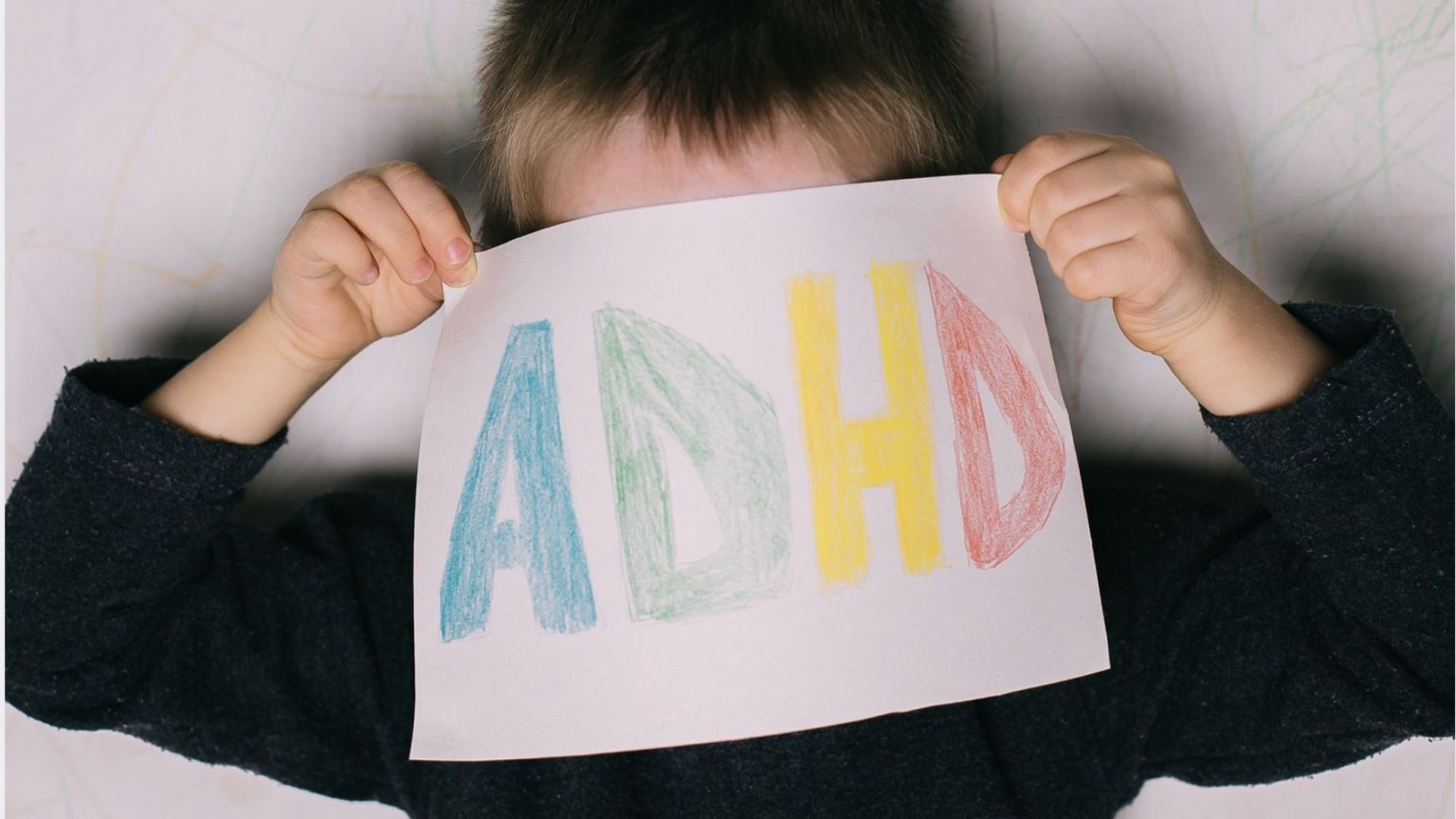
A reckoning with the ADHD industry is long overdue
There is nothing healthy about giving kids powerful stimulants and classifying them as disabled.
Want unlimited, ad-free access? Become a spiked supporter.
Every now and then, you watch a television programme that has you shouting at the screen. This happened to me when I saw The Great ADHD Myth? on Channel 4 recently. I spent years training to work with children with special educational needs (SENs) like ADHD and, for over 10 years, I worked in the SEN departments at various schools. And now I was watching a programme telling me that ADHD does not exist. I was shocked.
Why? Because I don’t believe ADHD exists either. And finally, doctors are speaking out.
I am not a doctor. Nor am I a scientist nor a psychiatrist. But I have been on many ADHD training courses. During one of them, the ‘expert’ running the course told us, laughing: ‘I often get distracted and fidgety… I wouldn’t mind betting I’ve got a touch of ADHD myself!’ On another course, one said: ‘The medication is quite strong, so sometimes it’s nice for the kids who are on it to have a “drug holiday” during the six weeks. That way they can be themselves for a while.’
It was a concerning comment. Are we really giving children powerful stimulants like amphetamines and methylphenidate to stop them from being themselves?
I have spent thousands of hours sitting with both primary and secondary school children diagnosed with ADHD. I have seen many children exhibiting ADHD’s symptoms: inattention, hyperactivity and impulsivity. But does this prove that they have a disorder?
Humans are primates. So are chimpanzees. Can you imagine putting a chimpanzee on a plastic chair for six hours a day and expecting it to sit still? Of course not. So why do we expect it from five- or six-year-old humans? Surely it’s only natural to expect young children to fidget and get bored. It’s an immemorial characteristic of childhood.
Now, it does seem true that kids are less focussed than they used to be – and there is an obvious reason for this. Almost all primary schools reject the ‘traditional’ teaching method and now teach ‘progressively’. This is when children learn through investigation, exploration and play. It sounds great in theory. In reality, it doesn’t work.
Here is an example. Copying and memorising are now considered boring and old-fashioned. So, in primary school, children will be told things like, ‘Investigate what it means to count in eights’ or ‘Discuss with your talk-partner whether three-times-six is the same as six-times-three’. This way of teaching is deeply confusing and it doesn’t work.
This was highlighted in a 2019 YouGov survey. Only 38 per cent of respondents aged between 25 and 34 said they could recall their times tables perfectly. In the group aged 55 and over, however, this rose to over 60 per cent.

This way of teaching not only fails to teach. It almost encourages children to become inattentive, hyperactive and impulsive. In other words, displaying exactly the behaviour that gets diagnosed as ADHD.
We are creating an ADHD generation. According to Out of Control, a 2025 report published by think-tank Policy Exchange, one in five children in the UK is now identified as having an SEN. That equates to six pupils in a typical classroom of 30.
ADHD advocates like to argue that we are now a more empathetic society – that we are noticing and acting on disorders that would have previously been ignored. But this is not just about good intentions. Medicalisation is encouraged by an ADHD industry that is growing on a vast scale. Estimates put the global market for ADHD medications at around $15 billion.
For parents, an online assessment for their child’s ADHD starts from around £400. But it can be money well spent. In the UK, your child’s diagnosis of ADHD can bring in Disability Living Allowance (DLA) payments of up to £114.60 a week. And DLA opens the door to other payments, such as Universal Credit and Carer’s Allowance. Added up, depending on circumstances and the specific details of the diagnosis, a parent with a child with ADHD can claim over £10,000 per year from the state.

I am certainly not saying all parents are in it for the money. I also understand that some children may have behavioural issues that go beyond boredom and poor teaching methods. But after 10 years witnessing agonisingly long lessons, taught in painfully bad ways, I ended up believing it wasn’t the children who grew inattentive, hyperactive and impulsive who had something wrong with them. It was those who didn’t.
Too many claims about ADHD have been taken at face value, for far too long. A reckoning with the industry is long overdue.
Geoff Bagwell is a freelance writer and former special educational needs practitioner with more than a decade’s experience working with children diagnosed with ADHD in UK schools.
You’ve hit your monthly free article limit.
Support spiked and get unlimited access.
Support spiked and get unlimited access
spiked is funded by readers like you. Only 0.1% of regular readers currently support us. If just 1% did, we could grow our team and step up the fight for free speech and democracy.
Become a spiked supporter and enjoy unlimited, ad-free access, bonus content and exclusive events – while helping to keep independent journalism alive.
Monthly support makes the biggest difference. Thank you.





Comments
Want to join the conversation?
Only spiked supporters and patrons, who donate regularly to us, can comment on our articles.