Is the grooming-gangs crisis even bigger than we thought?
The inclusion of Birmingham and Wales in the national inquiry suggests we’re nowhere close to reckoning with this scourge.
Want unlimited, ad-free access? Become a spiked supporter.
Have we underestimated the scale of the rape-gangs crisis? Last week’s announcement that Birmingham and Wales would be included in the government-commissioned national inquiry into grooming gangs would suggest so.
The focus of previous investigations into grooming-gang activity has been on specific towns such as Rochdale, Rotherham and Telford. But the expansion of the inquiry proves what many people – including victims – have been saying for some time: this evil has been perpetrated all across Britain.
The inquiry, announced earlier this year by Labour under obvious duress, had been limited in scope. In fact, only London, Oldham, Bradford and Keighley were initially included. But, as demonstrated by the inclusion of Wales and Birmingham, such a narrow focus was never going to be acceptable for long. Indeed, some investigations now suggest that up to 50 areas have been affected.
Furthermore, while grooming-gang perpetrators belong to a diversity of ethnic backgrounds, the reality is that a disproportionate number are of Pakistani Muslim origin. A 2020 academic paper, co-authored by professors Kish Bhatti-Sinclair and Charles Sutcliffe, concluded that ‘Muslims, particularly Pakistanis, dominate… prosecutions’. Their findings were based on 73 criminal cases between 1997 and 2017.
There is an obvious pattern here. A 2014 report by Alexis Jay concluded that Rotherham rape-gang perpetrators were ‘predominantly’ Pakistani. Last year, a national audit by Louise Casey found that Pakistani Muslims were ‘overrepresented’ in convictions.
Which brings us to Birmingham, which is home to intensely segregated Pakistani communities. It’s been under the microscope before, with recent figures from Birmingham Children’s Trust showing that police have been investigating 98 cases of child sexual exploitation in the city. While these crimes may involve people of non-Pakistani heritage, the truth is that much of this heinous paedophilic activity will have been perpetrated by members of Birmingham’s large Pakistani and, above all, Mirpuri communities – a recurring demographic in grooming-gang convictions. Given all this, the inquiry is right to look at what is happening in the UK’s second city,
There is clearly a problem in Wales, too. The Independent Inquiry into Child Sexual Abuse (IICSA), launched in 2015, has previously identified child sexual exploitation – and extensive local-authority and police failures – in Swansea. The Welsh port city was selected as one of six specific areas in the UK for IICSA’s 2022 investigation.
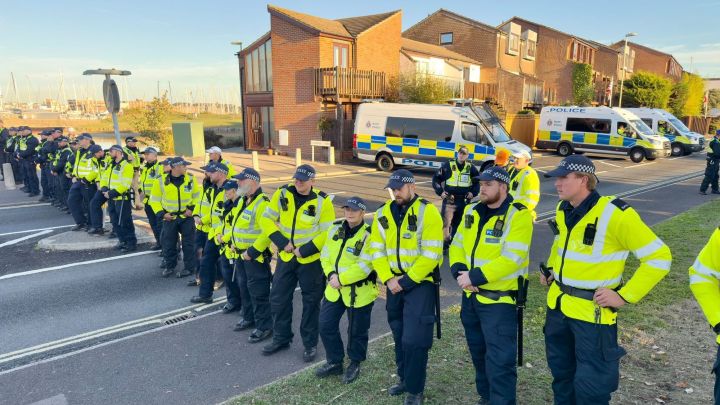
With the national statutory inquiry into grooming gangs gathering pace, it is important that no stone is left unturned. As well as holding those in authority to account, we need a national reckoning over the cultural and societal drivers of these unspeakable horrors. Justice must be delivered to the victims.
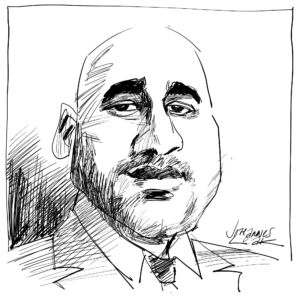
Rakib Ehsan is a spiked columnist and the author of Beyond Grievance.
You’ve hit your monthly free article limit.
Support spiked and get unlimited access.
Support spiked and get unlimited access
spiked is funded by readers like you. Only 0.1% of regular readers currently support us. If just 1% did, we could grow our team and step up the fight for free speech and democracy.
Become a spiked supporter and enjoy unlimited, ad-free access, bonus content and exclusive events – while helping to keep independent journalism alive.
Monthly support makes the biggest difference. Thank you.

Comments
Want to join the conversation?
Only spiked supporters and patrons, who donate regularly to us, can comment on our articles.