The Shabana wave
The new ‘safe routes’ for Afghans and Palestinians are a Trojan horse for unstoppable chain migration.
Want unlimited, ad-free access? Become a spiked supporter.
A simple instruction was given by voters in both the 2016 Brexit referendum and the 2019 General Election: that politicians should take back control of our immigration system.
Given the wider context of the debate, it was clear to the layman that this meant dramatically reduced immigration. What we got instead, of course, was record levels of migration, while Conservative ministers insisted in the abstract that ‘control’ had been restored because migration policy now rested in Whitehall rather than Brussels. It was this failure more than any other that resulted in the Tories’ emphatic defeat at the last General Election.
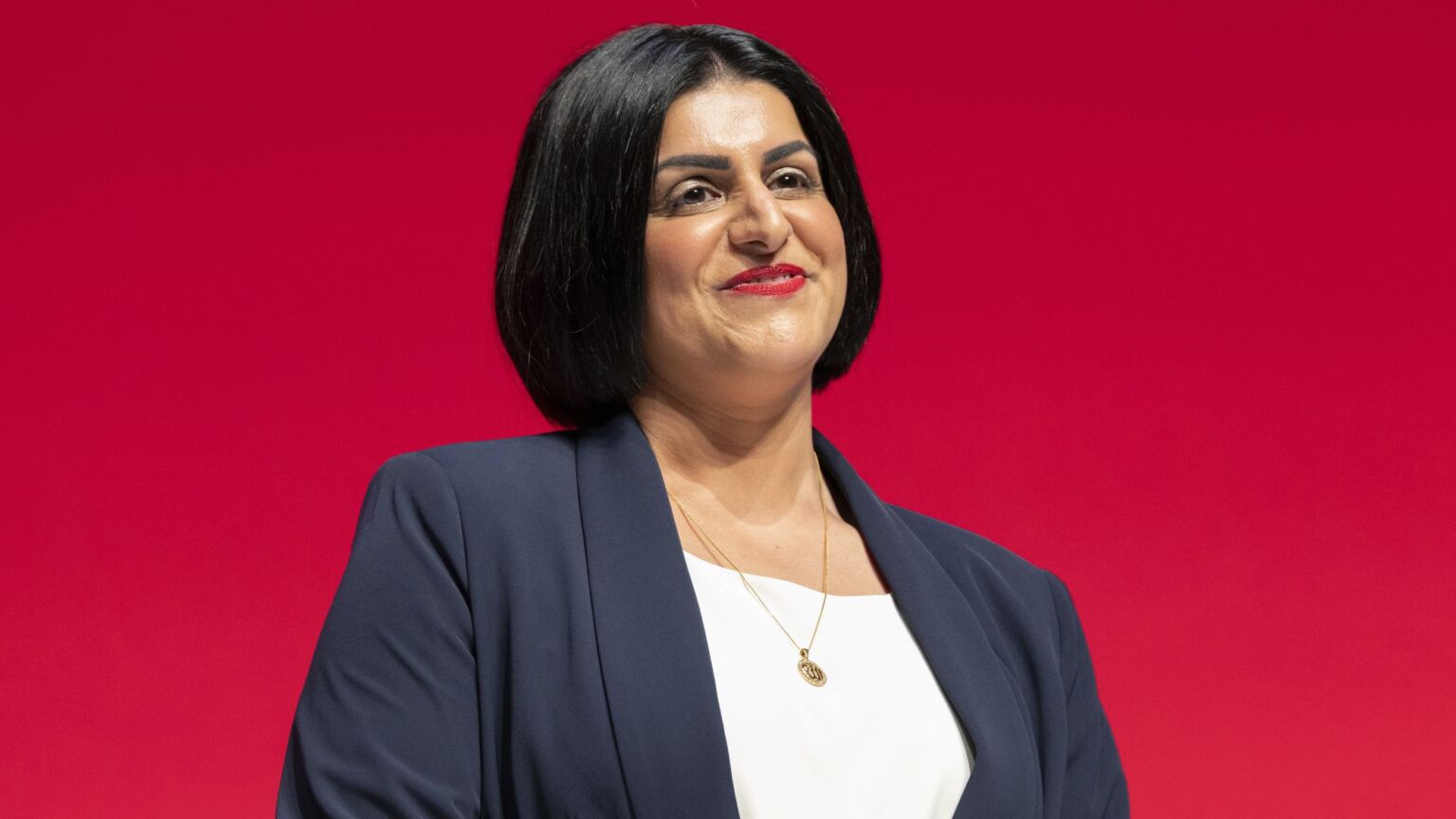
On Monday, we saw the same level of obtuseness from Labour home secretary Shabana Mahmood, as she set out plans for a ‘fair’ immigration system to stop the small boats.
Rather than tackle the mounting Channel crisis through a steadfast commitment to detention and deportation, the Labour government is now telling voters that the solution is to create yet more migration routes for individuals from the Third World – with a particular focus on Afghan women and Palestinians – to enter Britain.
Quite clearly, there is no economic case to be made for this. So, instead, Mahmood is appealing to the ‘inherent generosity’ of the British public and the ‘fairness which unites us in this country’. A decade or so ago, there would no doubt have been more of a market for this kind of idealism. Now, after five years of record legal and illegal immigration, talk about the ‘inherent generosity’ of the British public rings hollow.
Mahmood may not realise it yet, but she has also set herself a trap. It is unlikely she will be able to control the outcome of her own policy. While she insists that the numbers arriving under these new resettlement routes will be in the ‘low thousands’, this figure will be nothing but the thin end of the wedge. Her commitment to family reunification means that the starting pistol has been fired on levels of chain migration that Britain has never seen before.
Mahmood insists that the reunification process will be controlled and will not apply to extended families. But if we have learnt anything from the asylum crisis, it is that human-rights legislation is a law unto itself. Within weeks of the first waves of asylum seekers arriving in Britain, airport terminals across the Middle East and Africa will be full of aunties, uncles, second cousins, gardeners and school friends all lodging applications to come and join a loved one in Britain. One need only look at the recent case of a Palestinian woman who was able to use human-rights legislation to bring 18 family members to Britain to appreciate the scale of what we could now be facing.
Elected ministers, whatever they say, however much they may try, will be powerless to stop this kind of thing. The current nature of our immigration framework means that the burgeoning network of immigration lawyers, tribunal judges and human-rights NGOs will be in near-complete control.
And it will be the taxpayer who foots the bill. The Migration Observatory calculated in December 2025 that two-thirds of refugees in Britain were receiving Universal Credit. A recent Home Office audit of refugees who arrived in 2015 found that less than half were in any form of employment after eight years of living in the UK.

Power over our border policy will be further surrendered by Mahmood’s ‘community sponsorship’ scheme. Who is eligible for sponsorship will not be determined by the British government. Instead, power will rest with the Office of the United Nations High Commissioner for Refugees, which currently identifies at least 30million individuals worldwide who could potentially access this scheme. Eligible refugees can then be hosted in the UK by ‘civil-society organisations, charities and faith groups’. In other words, a mosque, charity or left-wing campaign group that can cobble together a few thousand pounds will have the right to sponsor an individual or family from this list and bring them to Britain. A ‘student sponsorship’ allowing universities to do the same will fling doors open even further. Mahmood has essentially promised an immigration policy that will have its scope and scale defined by organisations wedded to mass migration.
Far from instilling ‘control’ or ‘fairness’ into Britain’s broken immigration system, Shabana Mahmood has only unleashed further chaos. The British public will not forgive her failures any more than they did her Conservative predecessors.
Rob Bates is the research director at the Centre for Migration Control.
You’ve hit your monthly free article limit.
Support spiked and get unlimited access.
Support spiked and get unlimited access
spiked is funded by readers like you. Only 0.1% of regular readers currently support us. If just 1% did, we could grow our team and step up the fight for free speech and democracy.
Become a spiked supporter and enjoy unlimited, ad-free access, bonus content and exclusive events – while helping to keep independent journalism alive.
Monthly support makes the biggest difference. Thank you.

Comments
Want to join the conversation?
Only spiked supporters and patrons, who donate regularly to us, can comment on our articles.