The Jason Arday cover-up at Cambridge
The inquiry will ignore how the plagiarist professor was promoted well beyond his abilities.
Want unlimited, ad-free access? Become a spiked supporter.
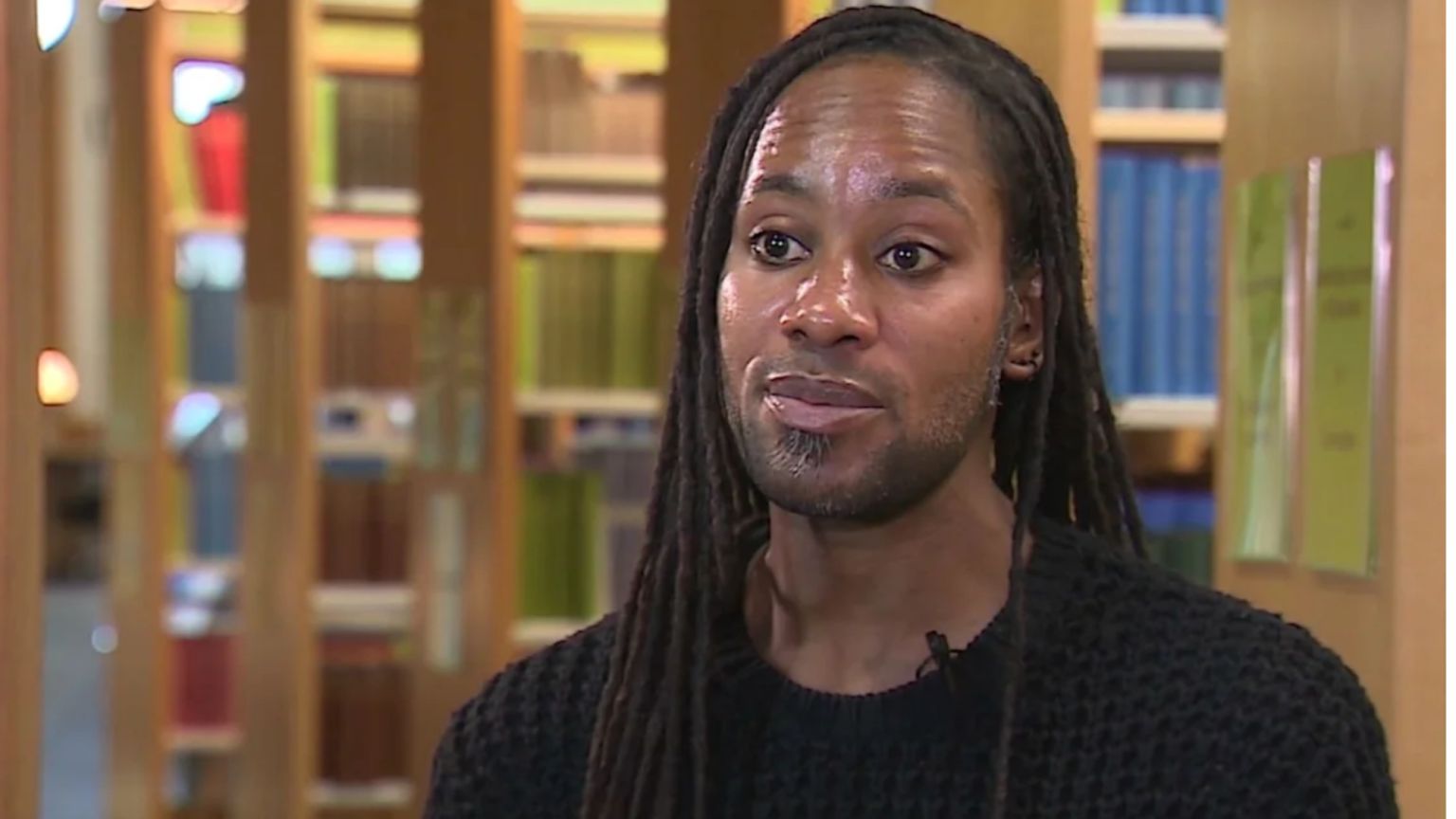
Has the University of Cambridge abandoned its investigation into the hiring of Jason Arday? This summer, following Arday’s tragic suicide and amid an urgent sense that there were lessons to be learnt, Cambridge promised an independent review into all aspects of its ‘decision-making and actions’ – including how an academic who was so manifestly underqualified, had long been suspected of plagiarism and had made fantastical claims about his life story came to be appointed as a professorial chair. Now, the New York Times claims that the university is backing away from this pledge.
At first, it did seem that Cambridge wanted a wide-ranging inquiry. In early September, the university’s vice-chancellor, Professor Deborah Prentice, described the days following Arday’s death as a ‘period of profound sadness and reflection’. ‘We worked very hard to support Professor Arday during an appalling period of external criticism and focus’, she said, ‘but given the devastating outcome, we are still asking ourselves whether we could have and should have done more. This review will help us answer that question.’
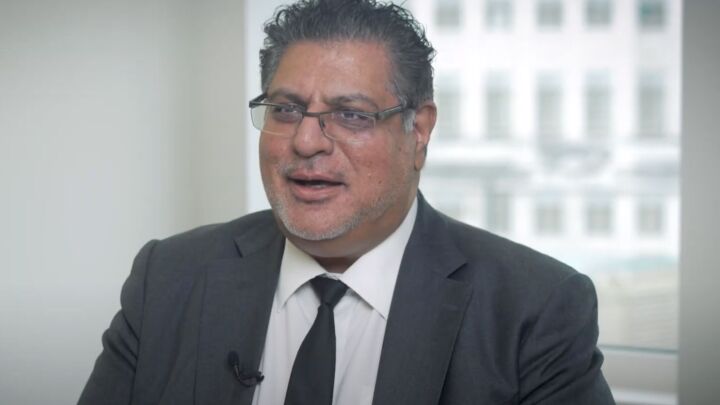
Significantly, the review was always intended to be in two parts. The first part, to be led by Nazir Afzal, chancellor of the University of Manchester and former chief prosecutor for the north-west of England, was to focus on the ‘support, interventions and protections’ available to Arday in the period before his death. Afzal appeared keen to launch a thorough inquiry, saying at the time, ‘It is important that we approach this work with both rigour and humanity’ and ‘we must be willing to ask difficult questions’. The second part of the review was intended to cover the broader circumstances relating to Arday’s time at Cambridge, including the processes in place for recruiting senior academic staff and dealing with allegations of research misconduct.
Meanwhile, even before Cambridge announced its own review, Arday’s supporters were calling for a very different inquiry: one that would focus solely on the media coverage his story garnered. More than 30,000 people, including Diane Abbott and Zack Polanski, signed a letter from the Good Law Project to the UK prime minister. It claimed that Arday’s death followed ‘two weeks of relentless harassment’ and called for an ‘immediate public inquiry into how to ensure a responsible press’.
Such an inquiry would effectively absolve Arday of plagiarism and embellishment. It would also let Cambridge off the hook for promoting him beyond his abilities, exploiting him as a poster boy for DEI, failing to investigate accusations of academic malpractice and failing to support him sufficiently once his story became public. Campaigners already critical of Britain’s free press sought to present Arday as, in the words of Lord Woolley, principal of Homerton College at Cambridge, the victim of a ‘vicious witch-hunt’.
In this context, simply asking questions about Arday’s work and the decisions that led to him becoming a professor risked accusations of racism. When you combine that with the fact that Cambridge has no real incentive to delve more deeply into its own workings, or the education faculty where Arday was employed, it is hardly surprising that the scope of an inquiry launched with promises of ‘rigour’ would quickly be diluted.
Indeed, when the scope of Cambridge’s inquiry was set out on 14 September, it was already clear that there was to be far greater focus on the support Arday was given when facing media scrutiny than on the broader context of how he came to be hired. Specifically, part one of the inquiry would only consider events ‘from the point at which the university first received, or otherwise became aware of, any complaint, allegation or press enquiry concerning Professor Arday’s scholarship, qualifications or personal account’, rather than from the period in which he was recruited. ‘The allegations about his thesis, his qualifications, his honorary appointments and his account of his own life are not for this review to determine’, the scoping document clarified. In addition, it was suggested that key documents could be ‘withheld’ if witnesses felt there were grounds to do so.
It’s now clear, from the New York Times’ reporting, that the second part of the inquiry, expected to cover Arday’s recruitment and how the university handled accusations of plagiarism, has been further narrowed. Arday himself will not even be its focus and his circumstances may be considered only in passing. In other words, there will now be no inquiry at all into how Arday was recruited, how his work was assessed or how accusations of plagiarism were handled.
It’s quite the shift. In a little over a month, Cambridge seems to have moved from promising a ‘thorough and transparent’ investigation to cooking up an inquiry that fails to ask the most crucial questions.
This should surprise no one. Accusations that Arday was a victim of racism and media harassment have always been a smokescreen. It has long seemed clear, to anyone willing to look, that Arday was useful to Cambridge when the university wanted to promote its DEI credentials as Black Lives Matter protests swept the globe. Then, when revelations of plagiarism became too loud to ignore, he was let down by those once keen to stand by him.
No wonder Cambridge might want to look the other way.
Joanna Williams is a spiked columnist and director of the think tank, Cieo.
You’ve hit your monthly free article limit.
Support spiked and get unlimited access.
Support spiked and get unlimited access
spiked is funded by readers like you. Only 0.1% of regular readers currently support us. If just 1% did, we could grow our team and step up the fight for free speech and democracy.
Become a spiked supporter and enjoy unlimited, ad-free access, bonus content and exclusive events – while helping to keep independent journalism alive.
Monthly support makes the biggest difference. Thank you.




Comments
Want to join the conversation?
Only spiked supporters and patrons, who donate regularly to us, can comment on our articles.