I saw DEI wreck workplaces – could it now be costing lives?
The Henry Nowak tragedy shows what happens when anti-racist dogma runs amok.
Want unlimited, ad-free access? Become a spiked supporter.
I know nothing about policing, but I know there’s a good chance that DEI training played a part in Henry Nowak’s death. How? Because I know exactly how the E for ‘equity’ can lead to perverse outcomes when it is baked into policy – and when challenging it is made impossible.
As a youth-recruitment specialist and the host of the podcast, This Isn’t Working, I’ve been digging into the damage that ‘inclusion’ has done to UK workplaces. But because I focus on the private sector, it wasn’t until this week that I saw the consequences could be fatal. That realisation has been chilling.
How did we get here? One thing everyone needs to know is this: there is no quality control for external or internal DEI training. There never has been, in any sector. Literally anyone can call themselves a DEI trainer and present contested ideas as fact to a captive audience. As there is no formal DEI accreditation, just one gig for a big employer can serve as proof of credibility, leading to more gigs.
The people who commission the training (say, a DEI or HR professional, or the head of the relevant staff network) have no qualifications either. Sometimes they don’t even bother with an external ‘expert’ – they write and deliver the training themselves, based on other people’s (bad) training they’ve found online. Too often, this is baked straight into policy with almost no oversight and no accountability.
The professional body for the UK’s HR industry, the Chartered Institute for Personnel Development (CIPD), has not only failed to recognise this problem – it has fuelled it, too. In response to the Black Lives Matter protests in 2020, it created an ‘anti-racism hub’ for employers.
That there is no quality control whatsoever goes some way to explaining what so many employees have endured in recent years in diversity-training sessions – and when disputes arise. It also explains why ‘race equity’ or ‘anti-racism’ workshops can often become so nasty; how talk of ‘inclusion’ instead creates division by over-emphasising, misrepresenting or assigning blame for the cultural and historical oppression of certain groups; how people’s ‘lived experience’ and identity markers can be weaponised to shut down debate; why the only acceptable question to ask in a session is ‘How can I be a better ally?’. The darkest thing I’ve seen is how easily participants’ genuine pain, fears and instinct to protect the ‘marginalised’ can be twisted to encourage them to view everything through a racialised lens, and assume the worst motivations in others – including colleagues, customers or members of the public.
Could years of this sort of training have contributed towards those police officers’ misplaced confidence that Henry Nowak was the perpetrator of a racist incident, and not the victim of a violent crime? Absolutely.
Wasn’t it always obvious that this was where things would end? Not necessarily. It didn’t have to be like this. Initially, employers were sure they were removing barriers, increasing opportunity and expanding talent pools. They were seeking ‘potential over polish’. But it wasn’t long before problems emerged and the critical thinkers began to suspect this approach to racial ‘equity’ needed a rethink.
Why not stop it sooner? First, because white people quickly learned that challenging the accepted ‘anti-racism’ agenda never ended well for them, especially if those pushing the agenda in their workplace were not white. Second, because the problems with DEI didn’t seem all that serious. Most people thought it was just… weird. And some of it was so weird that it was funny.
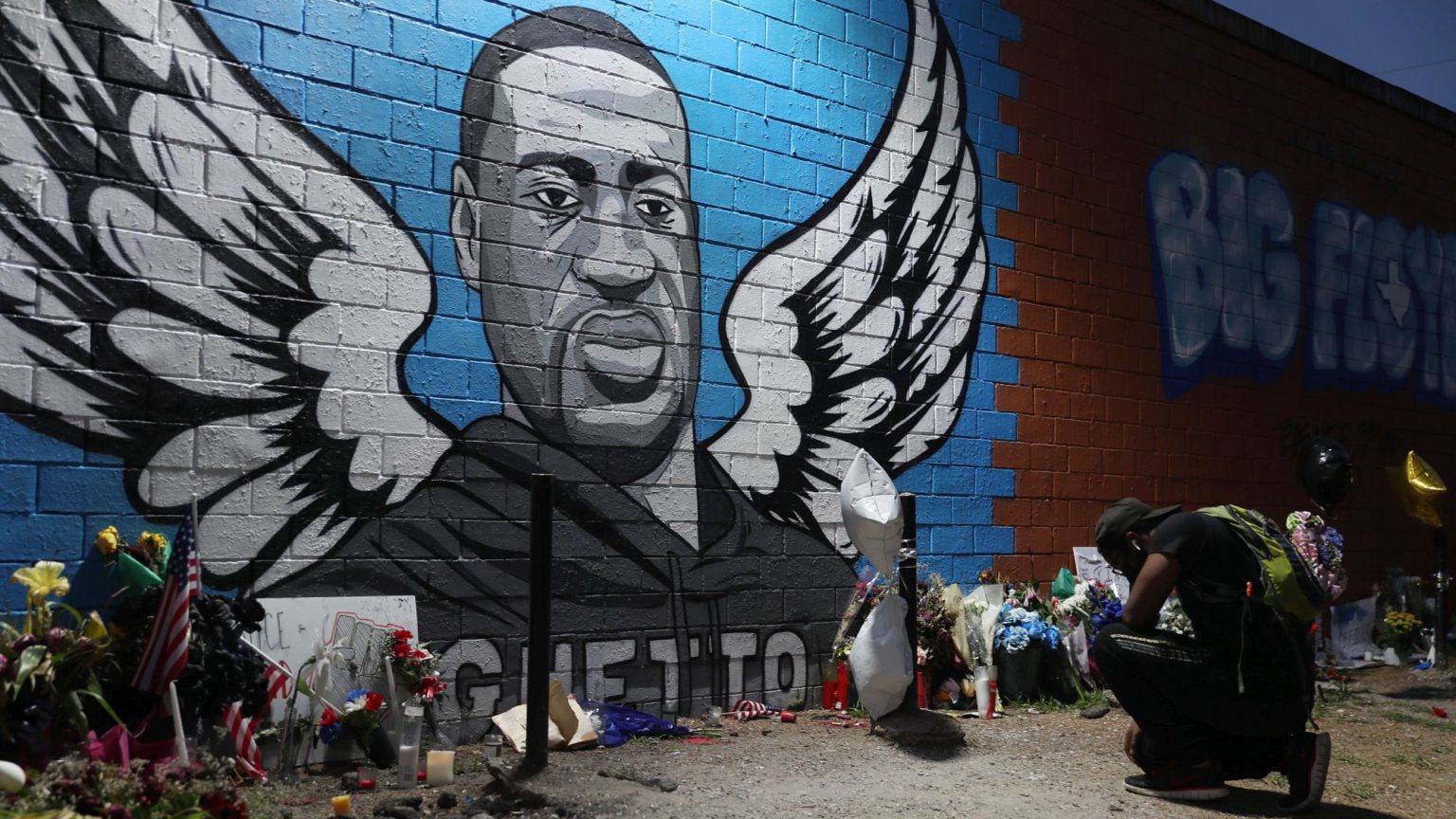
During the peak DEI years, from 2018 to 2024, I hosted events where some of the UK’s biggest employers compared notes about how to hire graduates and apprentices. Until George Floyd’s death in 2020, most of the discussion around race was sensible. But the introduction of DEI targets changed everything. Although entirely self-imposed, these were serious, public commitments – and therefore set in stone.
Overnight, big brands started sponsoring university basketball teams to encourage black students to apply for their graduate scheme. (Yes, really – and it actually worked to boost black recruitment.) Special Q&A sessions were run for ethnic-minority candidates throughout the recruitment process, to ensure they felt welcome and didn’t drop out because they ‘didn’t see anyone who looked like them’ in the firm.
Almost every big-name employer used external recruitment ‘partners’ to boost the numbers of minority applicants – including the dubiously named 10,000 Black Interns (now being sued for discrimination by a white journalist to howls of dismay and disgust from activists).
Employers trekked to colleges and universities with a high percentage of ‘diverse’ (ie, non-white) students, while those with whiter student bodies were ignored. Extended application windows were offered to students from those universities, supposedly because they tended to be less organised or more likely to be juggling part-time jobs. This was (probably) the right side of UK law, but was it ethical? I never heard that question asked.
All kinds of accommodations have been made during hiring, too. Every assessment centre must now have a prayer room. Halal sandwiches must be provided at lunch. Interview questions that minorities routinely fluff are deleted. Non-white women no longer lose points for being quiet during group tasks, or not asking questions of authority figures, as ‘confidence is cultural’, supposedly. Similarly, I heard recruiters say black candidates should not be penalised for being late for interviews because ‘timekeeping is a cultural issue’. Later, I wondered if it wasn’t more racist to suggest black people can’t be punctual.
In quiet moments, my clients started to make strange confessions. Struggling to meet their race targets in Belfast, one employer told me they were considering ‘shipping over’ some of their black graduates from London. Yes, she used that phrase.
The problems continued once young people were hired. Where standards were lowered to meet ethnic-diversity targets, those recruits often struggled and quit. Usually, the official line was that the company culture was still not ‘inclusive’ enough to retain them. More often, the truth was that the wrong young people were being hired, shoehorned into an industry or role that was either too tough or simply a bad fit for them.
One story sticks in my mind, because I’ve told it so many times over the years – although its significance shifts each time. Around 2021, a big consulting firm had a problem with a young, female, Muslim employee. Based in London but assigned to a client site in Glasgow for three weeks, she said she could not travel that far without a male relative as her companion, because of her religion. The firm’s lawyers said she’d probably lose at an employment tribunal, but it wasn’t worth the risk or the bad PR. So what happened? The firm paid for her dad to go with her, and fixed the wording in their employment contracts to mitigate future risk.
I remember laughing about this. There was humour in the idea that this firm had earnestly spent time and money trying to recruit ethnic-minority candidates, but discovered a big problem when the rubber hit the road.
It seems less funny now, when I wonder what that consulting firm normalised by tacitly agreeing that the young woman should not travel to Scotland alone.
So much looks different now.
Tanya de Grunwald will host ‘How can employers depoliticise the workplace?’ on Tuesday 9 June at 6.30pm. Get tickets here.
You’ve hit your monthly free article limit.
Support spiked and get unlimited access.
Support spiked and get unlimited access
spiked is funded by readers like you. Only 0.1% of regular readers currently support us. If just 1% did, we could grow our team and step up the fight for free speech and democracy.
Become a spiked supporter and enjoy unlimited, ad-free access, bonus content and exclusive events – while helping to keep independent journalism alive.
Monthly support makes the biggest difference. Thank you.




Comments
Want to join the conversation?
Only spiked supporters and patrons, who donate regularly to us, can comment on our articles.