No, the English countryside is not ‘too white’
DEFRA’s push to ‘diversity’ rural England is an insult to country folk and minority groups alike.

Want unlimited, ad-free access? Become a spiked supporter.
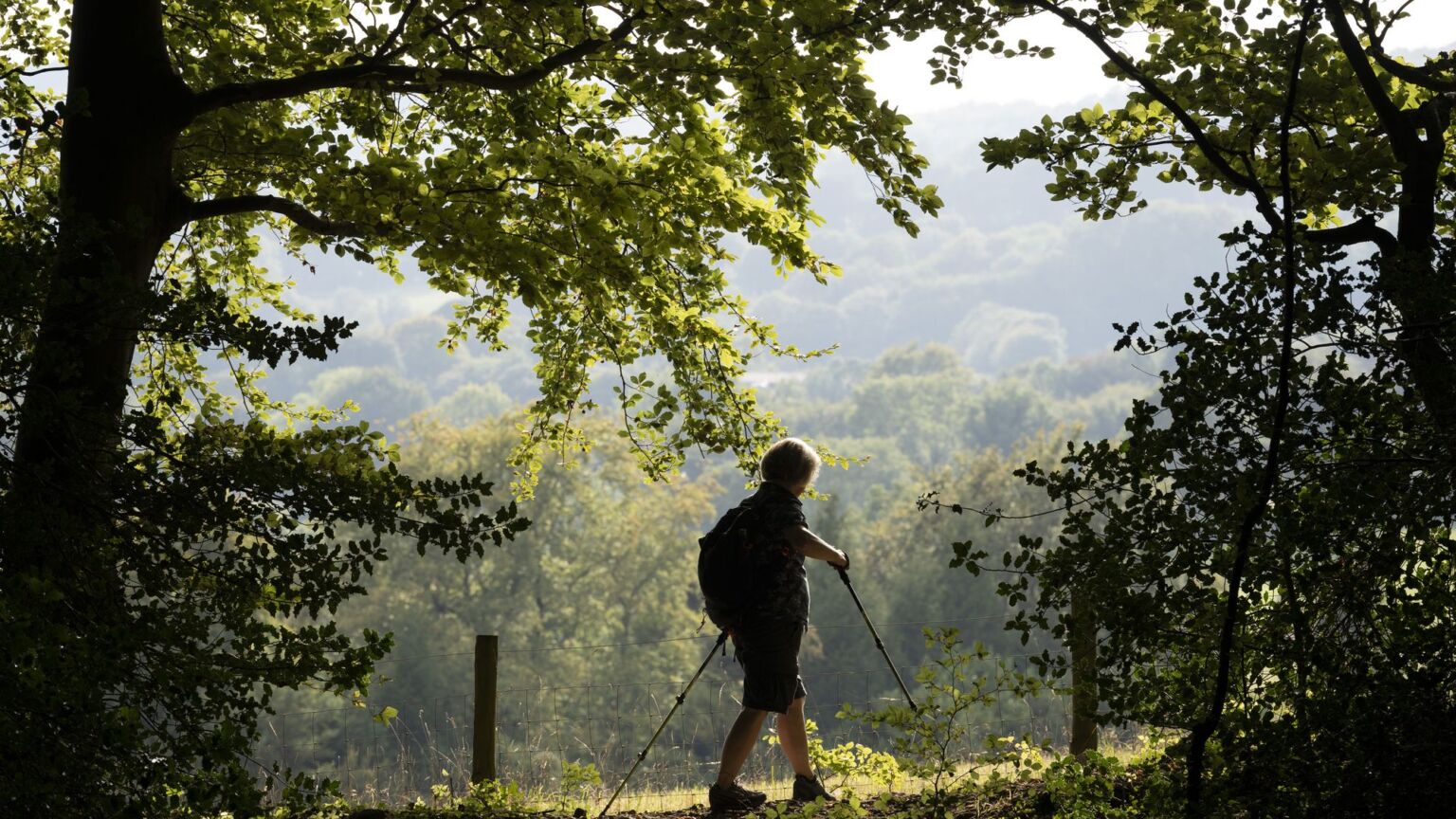
It is now official UK government policy to make the English countryside ‘less white’. According to the Telegraph, the Department for Environment, Food and Rural Affairs (DEFRA) plans to subject rural England to a new ‘diversity plan’. People, pubs and even pets will need to change their ways, in order to be more accommodating to modern, multicultural Britain.
DEFRA’s plan comes after years of taxpayer-funded research into the lack of diversity in the English countryside. A government-commissioned report, published in 2019, found that England’s national parks, despite being free for all to access, act as an ‘exclusive, mainly white, middle-class club’. ‘Many communities in modern Britain feel that these landscapes hold no relevance for them’, it said. In 2022, DEFRA commissioned another report, which accused rural England of ‘cater[ing] to white culture’. Now, the government intends to do something concrete to tackle this alleged scourge.
Various quangos representing national parks and parts of the countryside have been quick to fall in line with DEFRA’s diversity drive. Chilterns National Landscape has promised to attract more Muslims from nearby Luton. It would achieve this objective by hiring more diverse staff, and by marketing campaigns written in ‘community languages’. Malvern Hills National Landscapes, Nidderdale National Landscapes and Surrey Hills have also promised to enact measures to make the landscapes they look after more diverse.
Although DEFRA uses the word ‘access’ in relation to its diversity drive, you would be mistaken if you thought this had anything to do with making train fares cheaper, or educating more people about the fascinating history of rural England. Instead, this is about changing the countryside to suit the presumed preferences of minority groups. Notably, DEFRA has urged that dogs should be kept on shorter leads because of the fear they might instill in certain ethnic groups. Minorities are also said to dislike ‘traditional’ pubs that ‘cater to people with a drinking culture’.
In other words, the fact that England is England, with English people doing things the English enjoy, is the real problem the government wants to fix. This was certainly the message of yet another report bewailing the ‘overwhelmingly white’ countryside, published last year by the University of Leicester’s Centre for Hate Studies. The academics involved took aim at the ‘monocultural customs’ of pubs. They also lamented the insufficient kosher and halal food on offer, and lack of prayer rooms. All of which supposedly makes the countryside an intolerably racist place, demanding a strong response from government. ‘Welcoming minoritised individuals into the countryside means more than tolerance’, the report argued. ‘It requires thoughtful adaptation, sustained inclusion efforts and a willingness to change.’ So there you have it.
It would be easy to brush this off as just another example of academics and woke bureaucrats doing what they so often do, declaring any and everything ‘racist’. But this would spare them from the criticism – indeed, the contempt – in which their conclusions should be held. Who are they to tell the rural English what to do? Why should anyone change centuries-old pastimes to cater for specific groups? And how would activist academics and civil servants like it if rural English people travelled to, say, Pakistan and Bangladesh and ordered them ‘cater’ for their own ‘drinking culture’?
The diversity push is not only insulting to dwellers of the English countryside. It assumes that people of, say, Bangladeshi heritage, will have no interest in rural England and its culture. That they are so closed-minded they can’t stand to be in a pub or see a dog tearing through a moor. It basically presumes that minority groups are as thin-skinned as they are incurious. That while a white English person should be encouraged to learn and appreciate the customs of other cultures, this mindset could not possibly be reciprocated. This deeply prejudiced, patronising view of ethnic minorities is the working assumption behind all the talk of the countryside being racist.

As it happens, there is a perfectly good reason why many ethnic-minority people don’t travel to the countryside. As Rakib Ehsan has previously pointed out on spiked, it is because people with ties to other countries tend to spend their holidays in those countries. Travelling to the Lake District (beyond the cost, which also excludes working-class people of all races) is not as much a priority for them as seeing family. The vast majority of British people can only afford to holiday once a year, and ethnic-minority Brits are no different. DEFRA’s diktats aren’t going to change this.
For most people, travelling to the countryside is a respite. The quiet setting and natural beauty is an antidote to the increasing chaos and dysfunction of our major cities. The appeal of rural England lies in the very fact that it is not London or Birmingham. Bringing the culture war to the countryside will only ruin it for everyone.
Hugo Timms is a staff writer at spiked.
You’ve hit your monthly free article limit.
Support spiked and get unlimited access.
Support spiked and get unlimited access
spiked is funded by readers like you. Only 0.1% of regular readers currently support us. If just 1% did, we could grow our team and step up the fight for free speech and democracy.
Become a spiked supporter and enjoy unlimited, ad-free access, bonus content and exclusive events – while helping to keep independent journalism alive.
Monthly support makes the biggest difference. Thank you.



Comments
Want to join the conversation?
Only spiked supporters and patrons, who donate regularly to us, can comment on our articles.