This prepper campaign is blaming the public for the elite’s failures
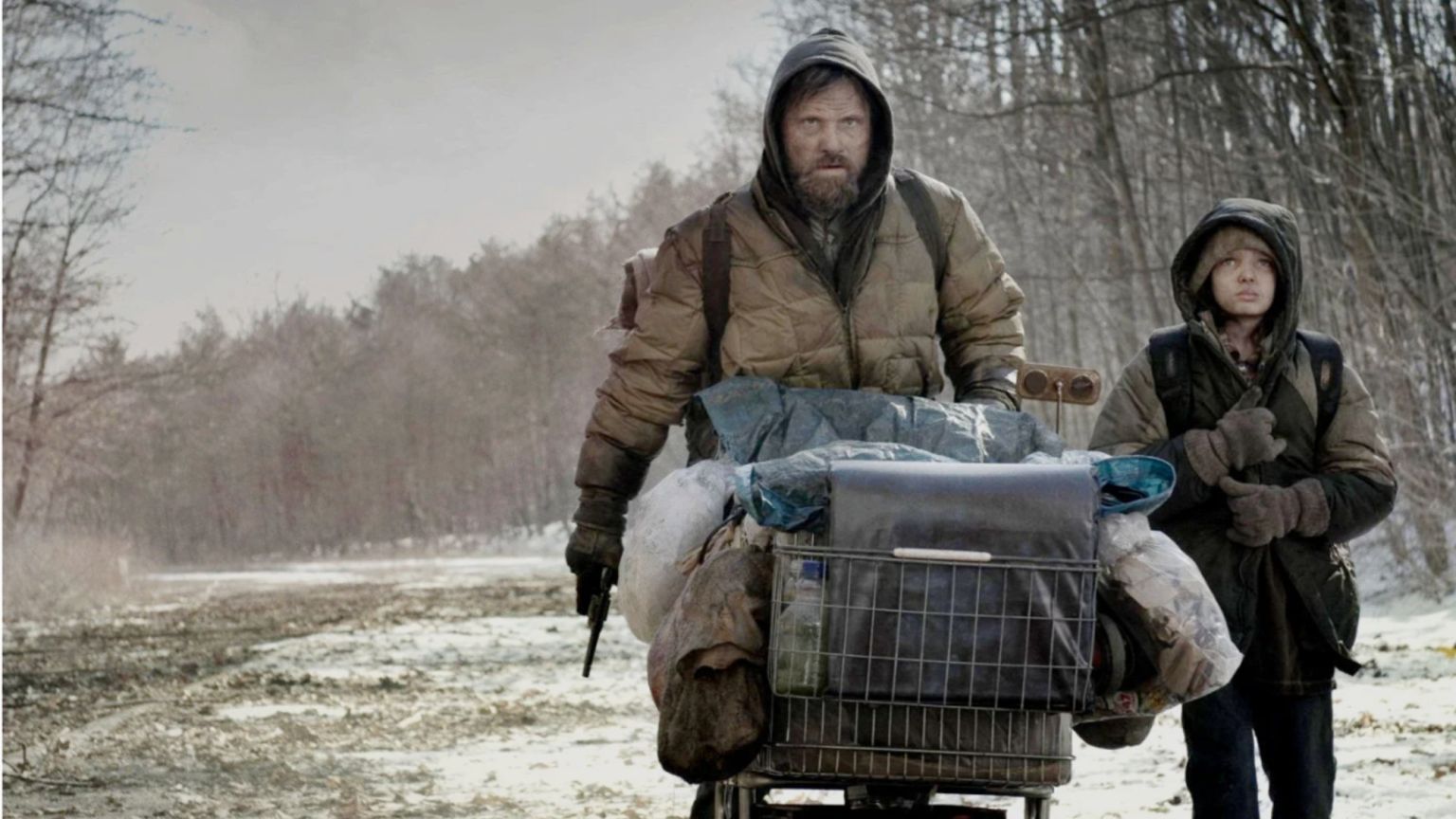
Brits are being asked to stockpile spam while our leaders sabotage our energy supplies.

Want unlimited, ad-free access? Become a spiked supporter.
It’s time to start stockpiling spam, stashing your petty cash and hoarding hand sanitiser, according to the UK government. The ‘Be Ready’ campaign, launched last week by defence secretary Wes Streeting, is urging the public to take steps to be prepared for any emergency that could cause at least 72 hours’ worth of disruption to power, water and food supplies.
There was a time not long ago when ‘prepping’ – that is, preparing for survival in the event of an apocalypse – was a niche subculture, a subject of curiosity, explored in Louis Theroux’s Weird Weekends-style documentaries. And rightly so. It is perfectly reasonable to expect that in an advanced industrialised nation like Britain, things should generally work. Water should come out of the tap, electricity should come out of the socket, and food should be well stocked in our supermarkets. The British state’s promotion of ‘prepping’ suggests it no longer wants to be held to that low bar.
Now, I’m not doubting that the advice from the Be Ready campaign will be useful in the face of an emergency. Major external threats, including cyberattacks and terrorism, may well lead to the kind of disruption that could be mitigated with stockpiled supplies. Even spells of bad weather, from storms to heatwaves, can cause infrastructure to break down from time to time. What ought to worry us about the Be Ready campaign, however, is that we do not need to be under attack from adversaries or to face serious natural disasters before normal life grinds to a halt. British governments of all stripes have neglected national resilience, while often deliberately pursuing policies that have made us more vulnerable. Yet it is citizens who are now being asked to pick up the pieces.
The pursuit of Net Zero is especially reckless in this regard. Renewable energy is not only a leading cause of rising energy prices – it has also made the electricity grid inherently unstable. Intermittent, weather-dependent sources like wind and solar make managing the grid far more complex, increasing the risk of blackouts. This year alone, Britain has twice had to seek emergency assistance from neighbouring countries to keep the grid balanced. We were lucky on those occasions, but we may not be next time.
Meanwhile, more reliable sources of energy have been sabotaged or neglected at every turn. The UK government has stalled on approving new oil and gas drilling in the North Sea. It has banned fracking for natural gas outright. It has overseen the closure of oil refineries and the depletion of our strategic gas reserves.
Britain was once a net energy exporter, but thanks to Net Zero we now rely on the kindness of strangers simply to keep the lights on. Not even the energy shocks of the Ukraine and Iran wars seem to have shaken our leaders out of complacency. Energy policy is still designed around meeting eco-rules, rather than lowering costs or securing supplies.
As mad as it may sound, water supplies are also under threat in rainy, storm-drenched England. The Sunday Times has revealed that ministers are in a race against time to prevent water shortages this winter. Some reservoirs – including Wimbleball in Somerset, which supplies more than 400,000 people – are already close to running dry, holding less than 20 per cent of their full capacity.

For the Labour government, this is yet more evidence of the ‘climate emergency’ delivering deadly heatwaves and unmanageable drought. The far more likely cause is the UK’s inability to maintain and upgrade its water infrastructure. England has not built a new reservoir since 1992, despite the population growing by around 11million people. Planning rules, privatisation and eco-injunctions to save water, rather than secure our supplies, have all done far more damage to Britain’s resilience than climate change or foreign cyberattacks.
Even if it turns out that the greatest risk to everyday life really does come from foreign adversaries, then our domestic elites must share some of the blame for this. After all, Britain’s defences have been allowed to wither. Stuck in an End of History stupor, our leaders were convinced that war had been banished from Europe. Hard power was seen as outdated. Militaries were nice to have for humanitarian adventures abroad, but hardly essential for deterring serious threats at home. We are all now paying the price for this complacency.
‘Unexpected events seem to be becoming more and more common’, said Andy Burnham when doing the media rounds for the Be Ready campaign, as if he were merely a passive actor in this drama, as perplexed by the new age of insecurity as the rest of us. If that doesn’t scare you into ‘prepping’ for an emergency, then I don’t know what will.
Fraser Myers is deputy editor of spiked and host of the spiked podcast.
You’ve hit your monthly free article limit.
Support spiked and get unlimited access.
Support spiked and get unlimited access
spiked is funded by readers like you. Only 0.1% of regular readers currently support us. If just 1% did, we could grow our team and step up the fight for free speech and democracy.
Become a spiked supporter and enjoy unlimited, ad-free access, bonus content and exclusive events – while helping to keep independent journalism alive.
Monthly support makes the biggest difference. Thank you.



Comments
Want to join the conversation?
Only spiked supporters and patrons, who donate regularly to us, can comment on our articles.