Where have all the bands gone?
Pop music today is overpopulated with solo artists, producers and carefully cultivated personalities.
Want unlimited, ad-free access? Become a spiked supporter.
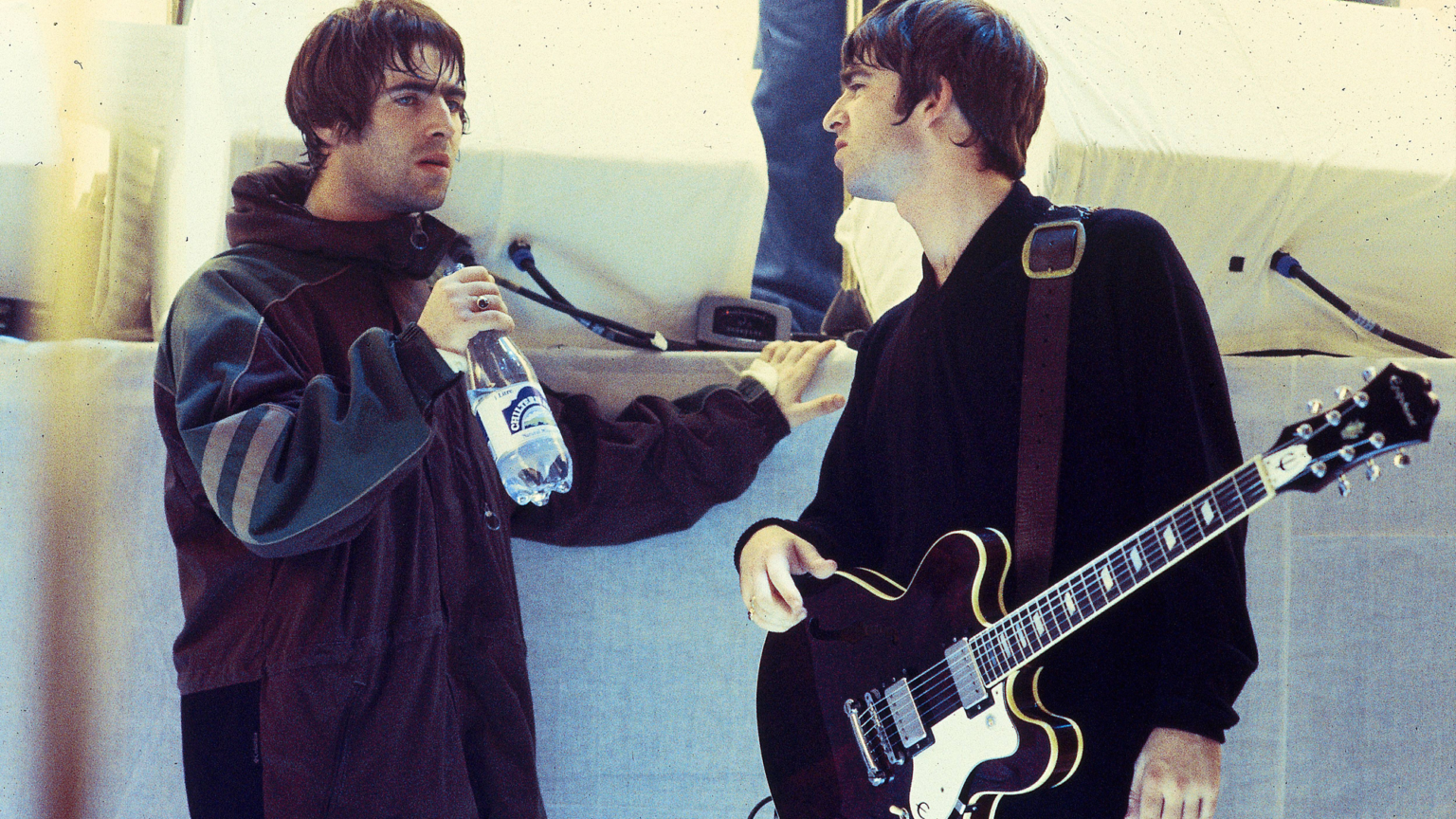
There was a time when forming a band was practically compulsory for any self-respecting teenager with a grudge against the world. Musical ability was optional. A few mates, three chords and an inflated sense of your own importance were usually sufficient. From punk and post-punk to indie and Britpop, forming a band was a way of declaring independence from the dreary adult world. You didn’t have to be particularly good. You just had to have the nerve to get up on stage.
Today, the mates-in-a-band set-up seems to be heading the way of the youth club, the record shop and the teenage bedroom plastered with posters of people your parents couldn’t stand. In March 2021, just nine groups featured in the UK Top 100 singles chart, with only two (Glass Animals and Little Mix) making the Top 40. The pop charts have become a procession of solo artists, producers and carefully cultivated personalities.
Of course, new pop music hasn’t vanished. But something more significant has happened: the band has lost its place in the youthful imagination. Where once teenagers dreamed of becoming the next Clash or the Smiths (Damon Albarn formed Blur to prove British bands existed in the wake of the Smiths’ demise), today’s aspiring pop stars are more likely to dream of acquiring a million followers. Why endure a drummer’s personality disorder when you can become a brand all by yourself?
In 2018, writing about the demise of the NME, I argued that the music press’s decline reflected something deeper than the internet making journalism financially unviable. It reflected the erosion of a distinctive youth culture. Music once provided the social glue that encouraged young people to venture beyond their bedrooms and into the world. Pubs, clubs, gigs and record shops weren’t merely places to consume music. They were where friendships, rivalries, romances and bands were formed.
That relationship between culture and locality has been steadily loosened. The sociologist Anthony Giddens described this process as ‘disembedding’, whereby social relationships become detached from their immediate local settings. Writing before the internet transformed everyday life, Giddens identified a tendency that digital technology would dramatically accelerate. Today, aspiring musicians needn’t leave their bedrooms to find an audience. TikTok offers the possibility of instant recognition from strangers scattered across the planet. Why spend six months playing to 12 people in a pub when a 30-second clip might reach thousands before breakfast?
Yet it would be absurd to dismiss the digital world as one vast playground for narcissists. Charli XCX’s Brat phenomenon in 2024 demonstrated how an artist could use the internet to create a genuine cultural moment. Its deliberately ugly green artwork, irreverent attitude and infectious songs inspired countless memes, dances and imitations. Brat became more than an album. It was a shared cultural identity, one that escaped the smartphone and spilled into clubs, fashion and everyday conversation.
Charli XCX showed that the internet needn’t be the enemy of youthful exuberance. Indeed, her celebration of messiness and hedonism was a welcome rebuke to the suffocating pieties of respectable online behaviour. Brat succeeded precisely because it encouraged people to stop being so bloody earnest.

PinkPantheress offers another example of digital possibility. She began uploading bedroom-produced songs to TikTok in 2020, eventually attracting millions of listeners without first slogging around the traditional live circuit. Intriguingly, she initially concealed her face and even blocked friends from discovering her account. Here was a new route to musical recognition that allowed an aspiring performer to bypass the potentially humiliating judgement of her immediate peers.
And therein lies an intriguing contradiction. The internet has made self-expression easier than ever, while potentially making young people more anxious about exposing themselves to ridicule. The OECD’s 2018 PISA survey found that 56 per cent of 15-year-olds worried about what others think when they fail. This shows that teenagers are increasingly concerned about being judged. By contrast, punk’s magnificent achievement was to persuade young people that making fools of themselves was not something to fear. It was practically a moral obligation. But today’s teens fear becoming tomorrow’s viral laughing stock.
Meanwhile, the places where young musicians might develop their confidence are disappearing. The Music Venue Trust reports that 30 grassroots venues closed permanently in 2025, while 175 British towns and cities no longer receive regular touring shows. The local musical ecosystem has been steadily dismantled.
None of this means young people have lost their creativity. Digital music-making has opened up extraordinary possibilities, while rap and electronic music have developed their own forms of collaboration. Nor was the golden age of bands quite so golden. For every Joy Division, there were hundreds of dreadful groups inflicting their adolescent angst on an unsuspecting public. But that was rather the point. Forming a band wasn’t simply about making music. It was about escaping the private world, discovering other people and having the audacity to believe that you and your mates might have something worth saying.

Perhaps the real cultural loss isn’t the disappearance of four teenagers with guitars. It’s the weakening of the impulse to go out, take risks and make a glorious fool of yourself. The world doesn’t need another perfectly curated online personality (or old blokes writing articles like this). It could do with a few more terrible bands.
Neil Davenport is a writer based in London. He is speaking at the Battle of Ideas on the panel, ‘From Cultural Icons to Background Noise’, on Sunday 18 October at 3.45pm. Get 20 per cent off tickets with the promo code SPIKED here.
You’ve hit your monthly free article limit.
Support spiked and get unlimited access.
Support spiked and get unlimited access
spiked is funded by readers like you. Only 0.1% of regular readers currently support us. If just 1% did, we could grow our team and step up the fight for free speech and democracy.
Become a spiked supporter and enjoy unlimited, ad-free access, bonus content and exclusive events – while helping to keep independent journalism alive.
Monthly support makes the biggest difference. Thank you.

Comments
Want to join the conversation?
Only spiked supporters and patrons, who donate regularly to us, can comment on our articles.