Middlesbrough’s summer of anarchy
For three hellish weeks, my hometown was held hostage by violent gangs.
Want unlimited, ad-free access? Become a spiked supporter.
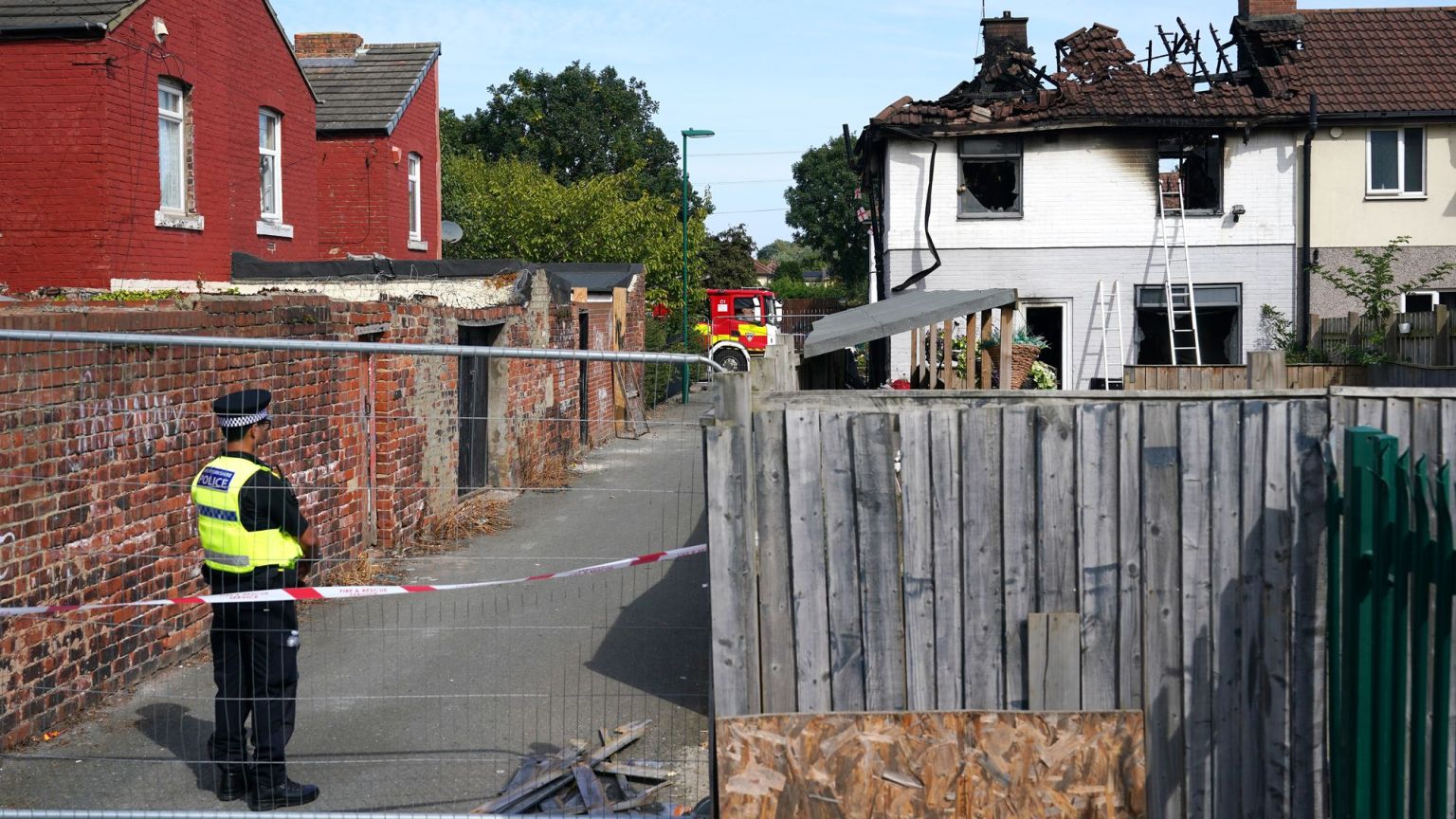
Middlesbrough has just been through the most horrendous three weeks in living memory. On 22 August, seven people were killed – including two police officers – in a high-speed police chase on the A66. Days later, a woman and her niece were killed in what police believe was a deliberate arson attack on a home. Amid these tragedies, we have witnessed an outbreak of violence, including weapons attacks and car rammings.
At the end of August, police announced that the situation in Middlesbrough was an ‘emergency’. This led to 200 extra police being drafted in from across the country, to kick in doors and make mass arrests for things related to organised crime and the drugs trade.
But was it really an emergency? To me, an emergency is something that is both sudden and requires urgent attention. The horrors in Middlesbrough did indeed need urgent attention – but none of this came about suddenly. Spiralling addiction and the violence of the drugs trade have existed, and been tolerated, for years.
I am adamant that more police overtime and more determination could have put a stop to this. Then, the crisis exploded, and suddenly there were far more officers, far more visible action and far more determination. That leaves a pretty obvious question: if this level of enforcement was possible in a crisis, why was more of it not happening before?
For years, we have heard that police resources are stretched. I heard it myself repeatedly when I was Middlesbrough’s mayor between 2019 and 2023. But if Cleveland Police really were desperately short of money, then it might have been sensible to cull some of this tiny force’s annual £250,000 equality, diversity and inclusion spending. That would pay for a lot of officers’ overtime.
For a criminal-justice system to deter crime, there has to be a good chance of being caught – quickly. Most important of all is the speed. The risk of punishment years down the line does not deter the kind of crime impacting Middlesbrough. In Middlesbrough, underclass criminals live week to week. Their addict customers, who also commit a lot of crime, live hour to hour. The risk of possible arrest later and going to court in three years does not deter their behaviour. Only immediate consequences can do that.
What has gone wrong in Middlesbrough, and is increasingly going wrong elsewhere, is that the worst offenders know British justice plays out over the long term, if at all. It’s slow and bumbling.

The political reaction mirrors the sclerotic police response. Once the crisis was impossible to ignore, there were passionate statements, expressions of concern and demands for more money. But it all came too late.
Perhaps the most depressing event of a bleak three weeks was when schools closed or shut early for the funeral of one of the young men who died in the A66 crash, amid fear of further unrest. GP surgeries were affected. Even food banks were closed.
Normal life retreated because everybody was worried about what might happen around the funerals of people associated with a violent criminal world. It looked like the criminals were in charge. In a sane world, the authorities would not be reorganising normal life around the possibility of criminal disorder. The criminals would be reorganising their lives around fear of the authorities.
And don’t listen to the ideological reflex of those who insist ‘poverty’ is the explanation for all this disorder. Of course Middlesbrough has a serious deprivation problem. But the vast majority of deprived people do not commit crimes.
Decent working-class people are preyed upon by the criminal underclass and forced to live beside them. Once dangerous criminals are in prison and cannot cause more mayhem, I’m all for empathy, rehabilitation and nurturing them to help them build a better life. But it has to be done that way round.
Middlesbrough is not doomed. Like everywhere in Britain, it has opportunities and challenges ahead of it. But capitalising on those opportunities just got even harder because of the terrible PR that has rattled around the country and beyond.
Unless something significant changes, normal people will continue to see that the law is not on their side. And the criminals will know that they still have little to fear.
Andy Preston was mayor of Middlesbrough from 2019 until 2023.
You’ve hit your monthly free article limit.
Support spiked and get unlimited access.
Support spiked and get unlimited access
spiked is funded by readers like you. Only 0.1% of regular readers currently support us. If just 1% did, we could grow our team and step up the fight for free speech and democracy.
Become a spiked supporter and enjoy unlimited, ad-free access, bonus content and exclusive events – while helping to keep independent journalism alive.
Monthly support makes the biggest difference. Thank you.

Comments
Want to join the conversation?
Only spiked supporters and patrons, who donate regularly to us, can comment on our articles.