No, Viktor Orbán was not an ‘autocrat’
The outgoing PM’s ideas struck a chord with disaffected voters in Hungary and beyond.
Read our latest coverage of the French riots here – paywall-free all of this week..
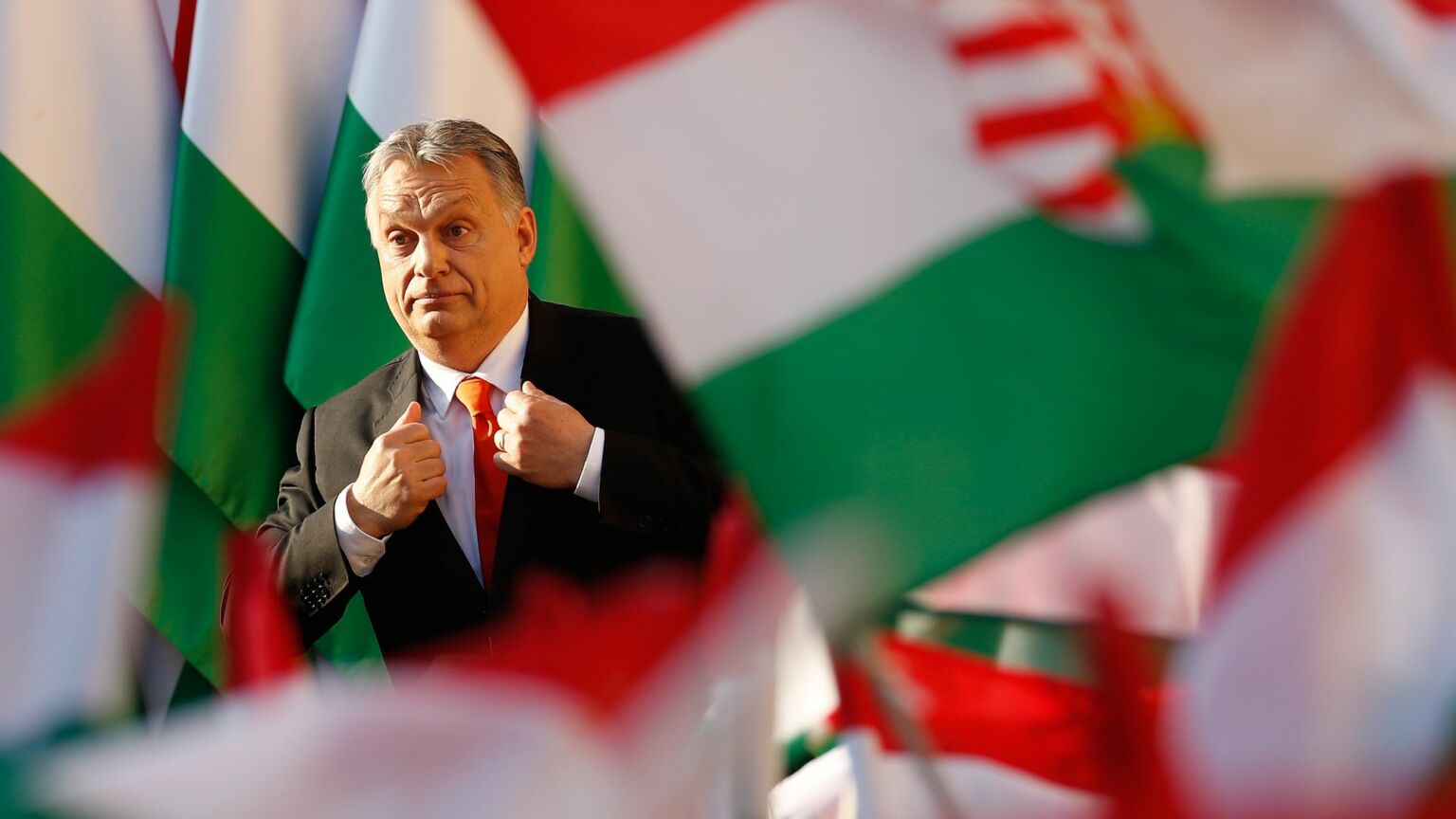
On Sunday night, Hungary’s dramatic election campaign ended in a way that nobody in the liberal press could have predicted. Just a couple of hours after voting ended, outgoing prime minister Viktor Orbán gave a gracious concession speech and congratulated his opponent, Péter Magyar, on a decisive victory. ‘Whatever happens, we will serve our country and the Hungarian nation from opposition’, said Orbán, before giving a humble shrug that seemed to say: well, that’s politics for you. And with that, he quietly exited the stage, leaving his 16-year premiership behind him.
We can only imagine what members of the establishment media must have felt at that moment. For years, right up to election day itself, they had been describing Orbán as an ‘authoritarian’ presiding over an ‘elected autocracy’. He has been depicted as a Kremlin stooge who secretly seeks to turn Hungary into a miniature model of Putin’s Russia. Yet, in the end, Orbán accepted defeat more easily than Hillary Clinton in 2016. Not for the first time in recent years, it turned out that those who wail the loudest about ‘fake news’ tend to produce the most bullshit.
It appears that Orbán was being honest with us all along. His government did not turn Hungary into a far-right despotism. When he referred to his Hungary as an ‘illiberal democracy’, he really did mean the democracy part. In fact, it was what it said on the tin: a democratic system that prioritises the national interest over internationalist dogma and views citizenship through a traditionally ethnocultural paradigm – which, it’s worth pointing out, is the global norm.
It goes without saying that Orbán’s record was far from perfect. His long-dominant Fidesz party was guilty of making highly partisan appointments to
state institutions like the judiciary. It also redesigned the electoral system in a way that favours provincial voters over urban ones, which was always going to favour a conservative party like his own. But, as Magyar proved on Sunday, a savvy and united opposition can still win if it rallies around a sensible, popular candidate.
Orbán’s true crime was daring to challenge the liberal hegemony. And, despite his loss on Sunday, he has done this to stunning effect.
Take a look around Europe. The right-populist Alternative for Germany has grown into Germany’s second-biggest party. Marine Le Pen’s National Rally is topping polls in France. National populists across the continent are either in power, as in Italy, or they’re so influential that their policies are being adopted by establishment parties, as is the case in Denmark. German chancellor Friedrich Merz has recently announced that he expects 80 per cent of Syrian refugees to return home now that the war is over.
But perhaps the best evidence of Orbán’s success is in the policies of the man who defeated him. Magyar has pledged to keep Hungary’s famous border fence in place, and even campaigned on a stricter immigration policy than his predecessor. Perhaps this is why Orbán was able to bow out so gracefully: he knows that he has done as much as he could to remake Europe in his own image, and can therefore leave with his head held high.
Even though establishment hacks are gleefully celebrating Orbán’s demise as the death knell for right-wing populism, the brand of politics that he represents isn’t going to simply evaporate. It will continue to have an organic constituency because it is a logical response to liberal excesses, such as open borders and unfettered multiculturalism. However, the populist right does need to learn the lessons from Fidesz’s time in power, and to make changes if it is going to continue to thrive.

Closing the door on Orbán’s combative relationship with Brussels would be a good place to start. Magyar’s promise to repair relations with the EU, in order to unlock €18 billion in frozen funds, ended up being one of his campaign’s main selling points. Italian prime minister Giorgia Meloni has shown that maintaining an amicable tone with Eurocratic elites can help advance populist policies, like third-country migrant return hubs and looser enforcement of refugee conventions. In 2017, Poland’s Law and Justice party implemented immigration policies similar to Orbán’s, but avoided Europe’s petty punishments because it was less confrontational. Could this be an alternative path to Orbánism?
Despite the missteps, Orbán still leaves office as a winner. Before 2015, his worldview felt like a political impossibility. Now, it is the Western norm. In his Munich Security Conference speech last year, US vice president JD Vance spoke of a ‘shared civilisation’ in the West, which had been undermined by unfettered migration. When Magyar set out his governing vision on Monday, he said that the restoration of ethnic Hungarian minority rights will be a precondition for rebuilding ties with Ukraine. This is pure Orbán.
So no, Orbán’s brand of populism isn’t ‘dead’. It remains in rude health despite his defeat.
Aleks Eror is a freelance writer who has been published in Foreign Policy, Politico, the Guardian and more.
spiked summit 2026 – SOLD OUT
Saturday 27 June 2026
10am-6pm, Saturday 27 June
Emmanuel Centre, London, SW1P 3DW
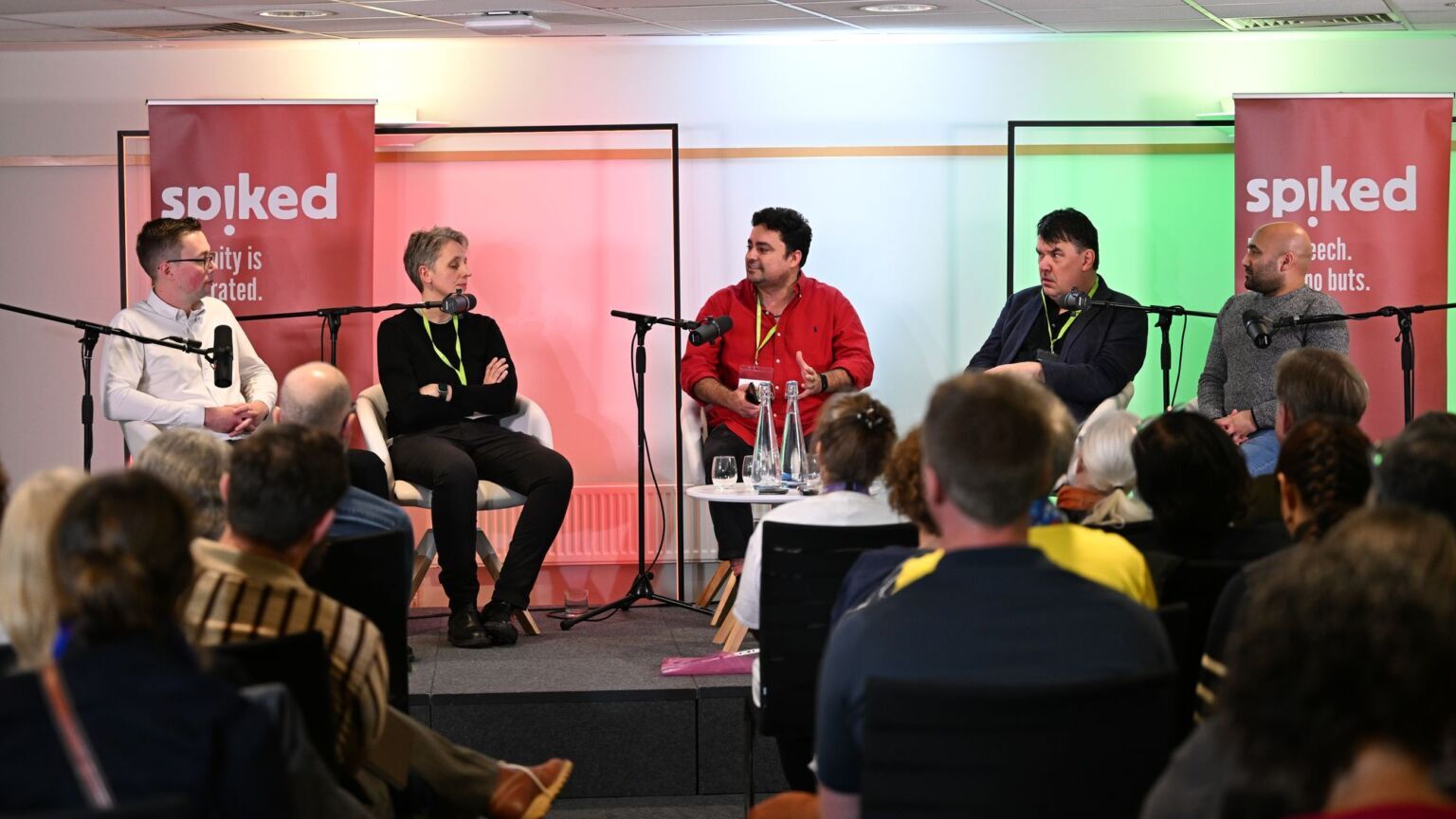
With Lionel Shriver, Brendan O’Neill, Katharine Birbalsingh, Toby Young, Allison Pearson, Paul Embery, Tom Slater, Andrew Doyle, Fiyaz Mughal and more
The spiked summit has now SOLD OUT. To join the waitlist, email:
[email protected]
£80 or £50 for supporters
You’ve hit your monthly free article limit.
Support spiked and get unlimited access.
Support spiked and get unlimited access
spiked is funded by readers like you. Only 0.1% of regular readers currently support us. If just 1% did, we could grow our team and step up the fight for free speech and democracy.
Become a spiked supporter and enjoy unlimited, ad-free access, bonus content and exclusive events – while helping to keep independent journalism alive.
Monthly support makes the biggest difference. Thank you.


Comments
Want to join the conversation?
Only spiked supporters and patrons, who donate regularly to us, can comment on our articles.