Zack Polanski offers nothing to the working class
Attacking the super rich and pining for ‘hope’ can’t disguise the misery that Green policies would deliver.
Want unlimited, ad-free access? Become a spiked supporter.
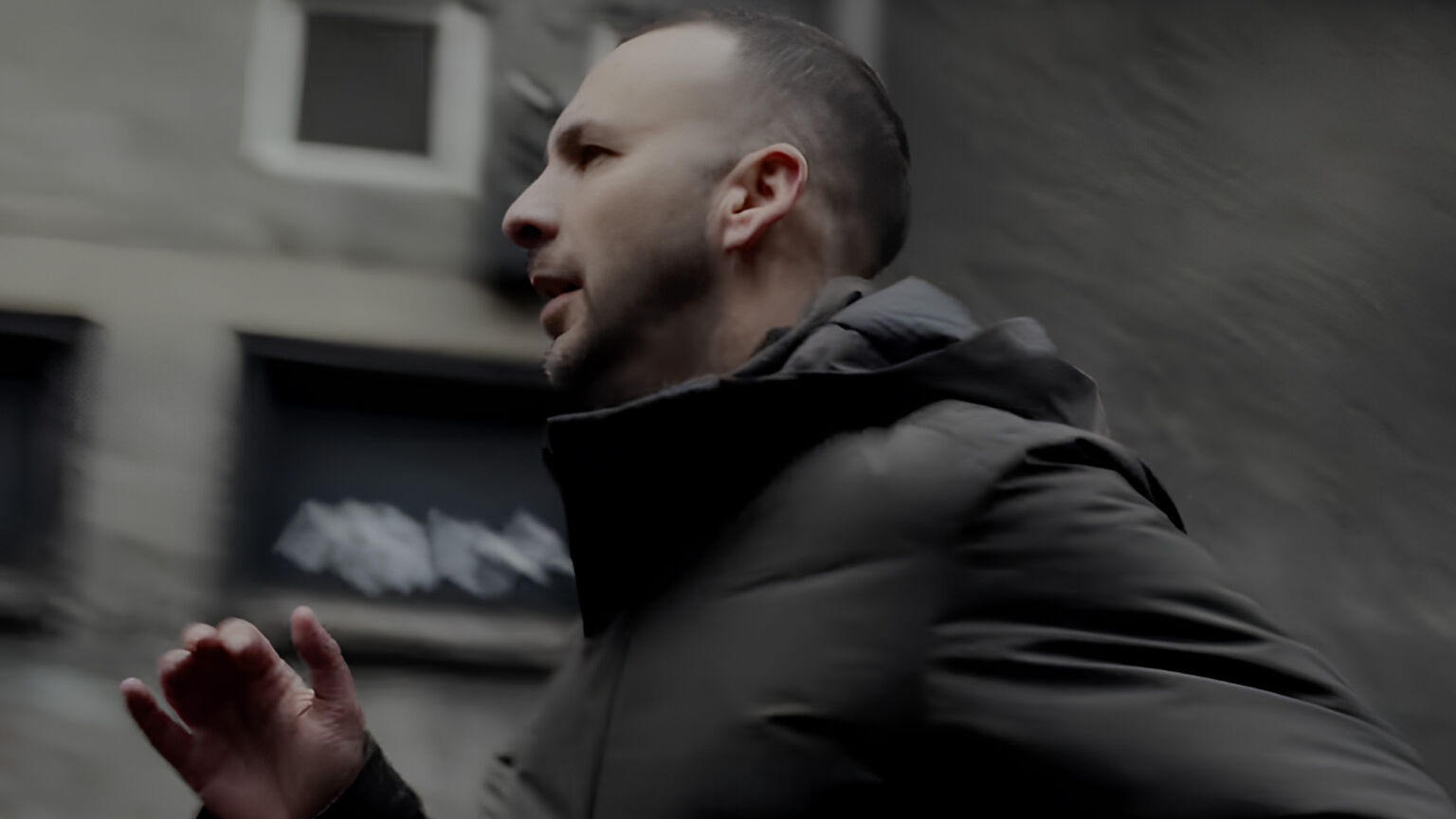
Judging by the latest party-political broadcast from the Greens, it seems co-leader Zack Polanski has been inspired by Paul Whitehouse’s ‘Brilliant Kid’ sketch, from BBC comedy The Fast Show.
For those who haven’t seen Polanski’s latest piece of slick political marketing, it begins with him walking and talking, Brilliant Kid-style, through a bleak area of London on a cold, overcast day. He describes the things Brits are doing to make ends meet, like working two or three jobs – but points out that our access to necessities, from housing to dental care, has never been more limited. Then he starts to run. The background music changes from sombre to dramatic. ‘The pressure never lifts’, a puffing Polanski says, ‘so the rest of us run faster’. As a broad diagnosis of Britain’s problems, he’s not wrong. We are running faster not to make something of our lives, but just to stay where we are.
Then comes Polanski’s big message at the end of the video. He tells us to ‘stop running’ and ‘make hope normal again’. This is where I get off the Polanski bandwagon (not that I was ever really on it). ‘Hope’ in working-class communities has never been ‘normal’. We don’t live in a country where hope conquers all – we live in a country with an entrenched class system. This is bad luck if you’re born in the working class, but good luck if you happen to be born into the middle and upper classes. Working-class people in Britain have never taken hope for granted – they know they live in a nation that is deeply unequal, unfair and unjust.
This is why, since the Industrial Revolution, working-class people have always formed pockets of resistance. It’s why we built trade unions and once supported the Labour Party, with the aim of creating an economic system that worked for us. This was not a reality in 1826, and still isn’t in 2026.
I’m not against some of Polanski’s appraisals of our current political, social and economic position. I agree that housing is unaffordable for an increasingly large majority of Britons. We have portfolio landlords, profiting from a system of rentier capitalism, at the same time as millions live in poverty. This is an indictment of contemporary, broken Britain.
I agree – and who wouldn’t? – that people’s lack of access to dentistry is a scandal. People are being left in desperate pain and some eventually become toothless. Go to the poorest parts of the country and the state of people’s teeth is shocking. This was brought home during the Southport riots in 2024, when nice, middle-class people on social media mocked the dental health of those out on the streets.
Yet, while Polanski’s videos may hit the right notes for his millennial supporters, do the Greens have anything useful to say? And, more importantly, will their solutions make a difference to working-class people’s lives?

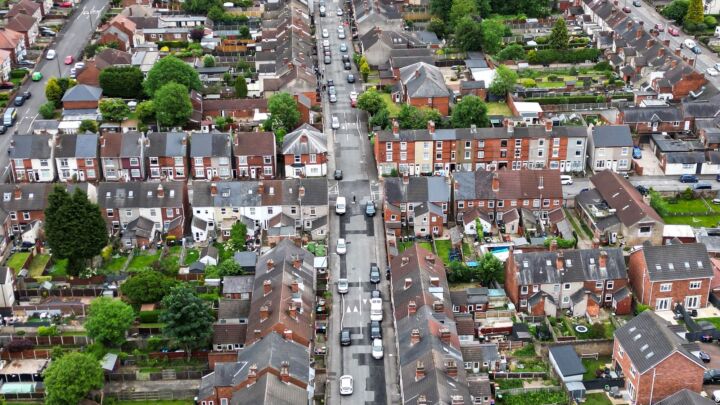
The answer is a resounding ‘no’. In fact, the ‘solutions’ advocated by Polanski and the Greens would only increase the social and economic despair of working-class communities. While the working class longs for the revival of Britain’s manufacturing industry, the Greens are dedicated to Net Zero and deindustrialisation. While the working class seeks affordable housing, Polanski wants to welcome in ever more migrants and refugees, heaping yet more pressure on rental homes and social services.
This is why I am sceptical of the Green message. What does Polanski understand about the people living on council estates in Rotherham, Sunderland or Mansfield – or Ashfield, where I grew up? What happens when the bourgeois eco-socialism of the Greens smashes into the reality of deindustrialised communities?
In Polanski’s world, there are greedy capitalists on one side, and everyone else on the other. This is the same simple-minded rhetoric we have had from the middle-class left for years. Remember the Occupy movement, which pitched the 99 per cent against the one per cent? Or then Labour leader Jeremy Corbyn’s ‘For the Many’ – another catchphrase suggesting there was a small exploitative class and a large, exploited class. This is middle-class leftism at its most banal and predictable.
There is nothing in Polanski’s output to suggest the Greens grasp what continues to deprive working-class communities of hope. They’re content to blame a small group of ‘evil’ people sitting on top of a big pile of money for all that ails our society. This simplistic vision doesn’t even attempt to tackle the complexity of the British class system. Nor does it scratch the surface of our economic problems.
The UK faces profound challenges. Yet, once again, Polanski and the Greens have demonstrated that they don’t understand them. This is a time for real leaders with real solutions – not trite catchphrases about ‘hope’.
Lisa McKenzie is a working-class academic.
£1 a month for 3 months
You’ve hit your monthly free article limit.
Support spiked and get unlimited access.
Support spiked – £1 a month for 3 months
spiked is funded by readers like you. Only 0.1% of regular readers currently support us. If just 1% did, we could grow our team and step up the fight for free speech and democracy.
Become a spiked supporter and enjoy unlimited, ad-free access, bonus content and exclusive events – while helping to keep independent journalism alive.
———————————————————————————————————————————–
Exclusive January offer: join today for £1 a month for 3 months. Then £5 a month, cancel anytime.
———————————————————————————————————————————–
Monthly support makes the biggest difference. Thank you.


Comments
Want to join the conversation?
Only spiked supporters and patrons, who donate regularly to us, can comment on our articles.