How the Council of Europe could foist trans ideology on us all
A Labour MP is seeking a Europe-wide resolution to revive the discredited practice of ‘gender-affirming care’.
Want unlimited, ad-free access? Become a spiked supporter.
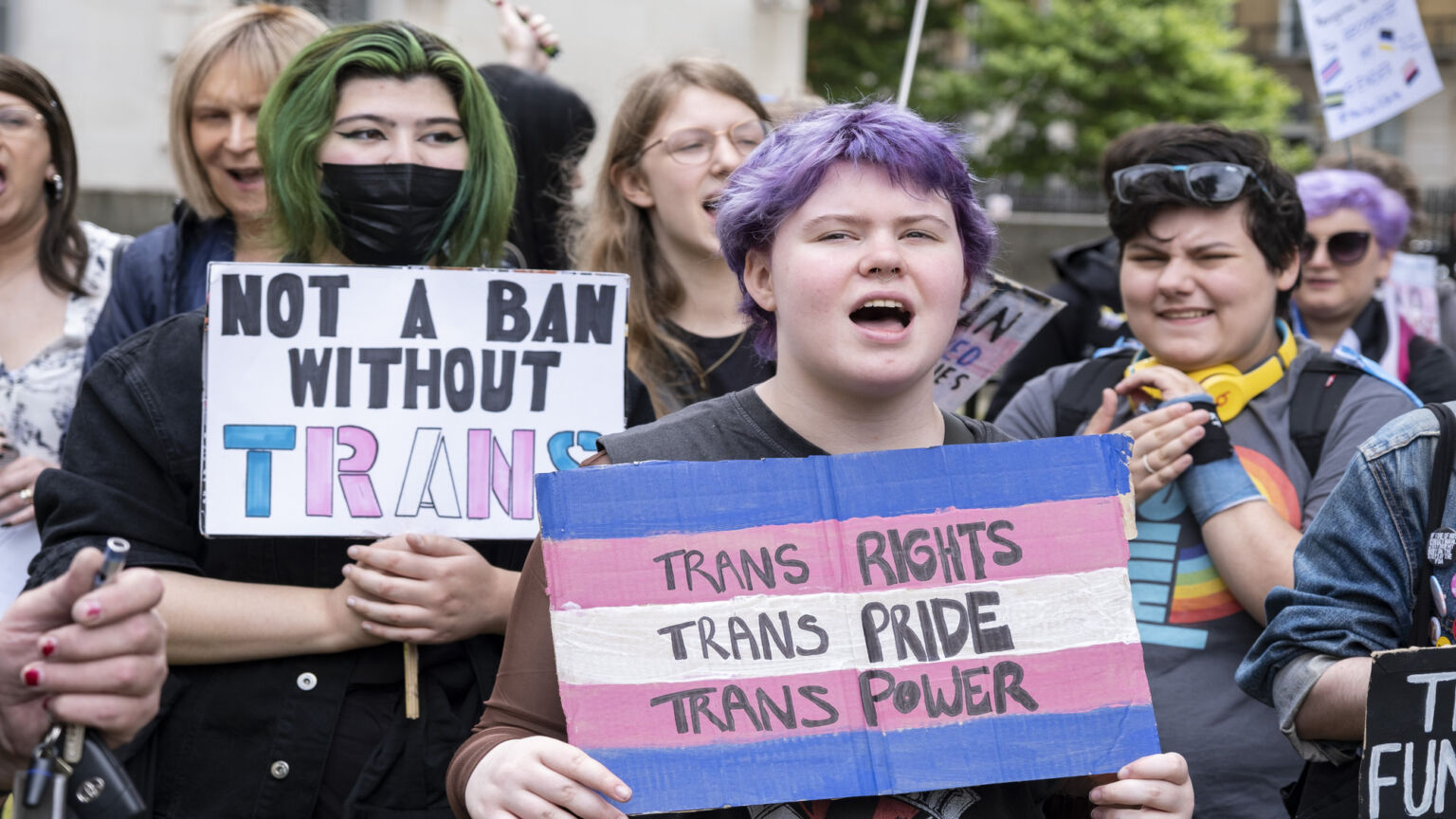
Trans ideology is a persistent pest. Strike it down in one place with the sanity hammer and it simply pops up somewhere else, undented by evidence and immune to embarrassment. This game of whack-a-mole is playing out in Europe. After the public’s turn against this damaging ideology in the UK, Labour MP Kate Osborne is now attempting to export dangerous and discredited ideas about gender identity across the continent.
Last month, gender zealot Osborne took her cause to the Council of Europe, the transnational body that created the European Convention on Human Rights and undergirds the European Court of Human Rights. She tabled a draft resolution at the Parliamentary Assembly of the Council of Europe calling for a Europe-wide ban on ‘conversion practices’. This would apply not only to attempts to change a person’s sexual orientation, but also to efforts to ‘align a person’s gender identity with their sex assigned at birth’. In other words, it would stop parents, counsellors and therapists from even questioning someone’s belief that they’re born in the wrong body. The resolution is due to be debated and voted on later this month.
Osborne’s campaign relies heavily on misdirection. The days of gay people being subjected to electric shocks to ‘straighten’ them out are, thankfully, long gone. Yet the moral revulsion attached to those genuinely barbaric practices still carries enormous rhetorical power. It is why trans activists are trying so hard to redefine and reapply the idea of conversion therapy.
As Faika El-Nagashi, director of European sex-based-rights initiative Athena Forum, puts it, the term ‘conversion therapy’ evokes the ‘abusive practices once inflicted on lesbians and gay men’ – acts which are ‘already punishable as serious criminal offences’. She has described Osborne’s resolution as a ‘trans-activist Trojan horse’. Far from safeguarding the vulnerable, she argues, it would pressure member states to introduce legislation, professional guidance and reporting frameworks that penalise any approach other than simply affirming an individual’s claims about their identity.
The resolution’s definition of ‘conversion practices’ is deliberately broad. It extends well beyond coercive or violent acts, which are already unlawful, to encompass verbal expression, counselling approaches and not affirming an individual’s claims. Therapy, parental hesitation or a teacher declining to socially transition a pupil – all of these harmless acts could all fall within its scope.
The children most at risk from these policies have already been identified in the UK. They are, unsurprisingly, gay children. Data from London’s disgraced Gender Identity Development Service showed that a majority of adolescent patients were same-sex attracted. There were also high rates of autism, trauma and other mental-health difficulties.
Instead of being helped to come to terms with their developing bodies, many were channelled towards a medical pathway. Rather than learning from this failure, the UK government is now preparing its own ban on conversion therapy that explicitly includes gender identity, entrenching the same approach in law. As El-Nagashi notes, ‘Individuals struggling with their sex require open, exploratory and therapeutic support. Their families deserve evidence-based care, and society needs honesty and clarity.’

That a ban on conversion therapy risks becoming a vehicle for an actual form of conversion therapy should not come as a surprise. Trans ideology operates by inverting reality. It treats the biological categories that underpin the existence of every mammal as mere ideas, while elevating regressive sex stereotypes into identities that must be affirmed. It excludes in the name of inclusion, recasts falsehood as ‘authenticity’, and medicalises distress under the banner of kindness. This is how people who believe they are on ‘the right side of history’, including politicians like the terminally right-on Kate Osborne, become the agents of something profoundly harmful.
Despite huge progress, trans ideology is still popping up and wreaking havoc across British institutions. The Council of Europe should take note: the answer is not to offer this infestation fresh ground on which to spread, but to take an axe, not a rubber mallet, to its head.
Jo Bartosch is co-author of Pornocracy. Order it here.
You’ve hit your monthly free article limit.
Support spiked and get unlimited access.
Support spiked and get unlimited access
spiked is funded by readers like you. Only 0.1% of regular readers currently support us. If just 1% did, we could grow our team and step up the fight for free speech and democracy.
Become a spiked supporter and enjoy unlimited, ad-free access, bonus content and exclusive events – while helping to keep independent journalism alive.
Monthly support makes the biggest difference. Thank you.





Comments
Want to join the conversation?
Only spiked supporters and patrons, who donate regularly to us, can comment on our articles.