Labour’s drink-drive limit will call time on the pub for good
This is not about ‘road safety’ – it’s prohibition in disguise.
Want unlimited, ad-free access? Become a spiked supporter.
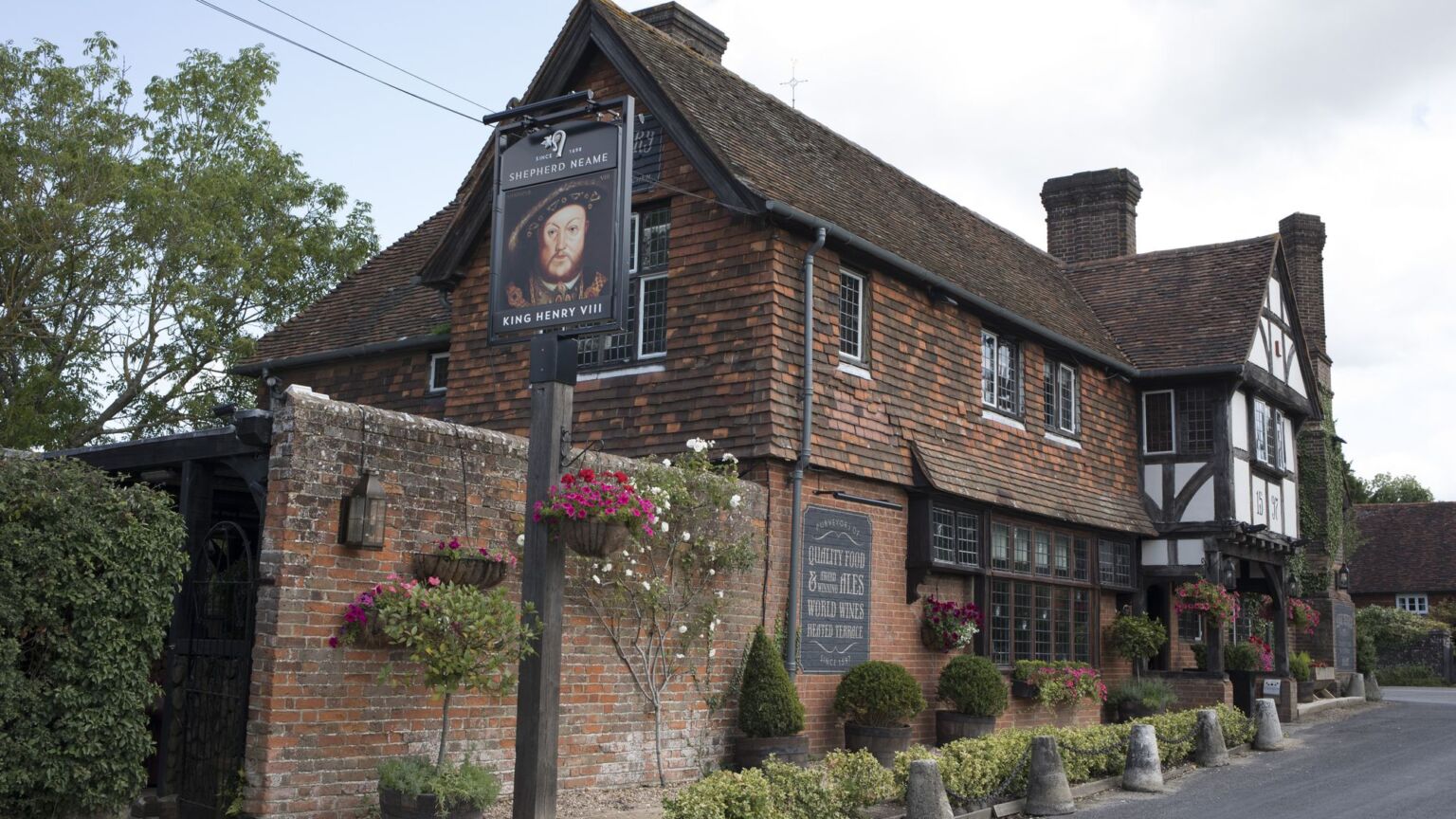
This government wants to destroy the pub trade. All British governments want to destroy the pub trade, but this one really wants to destroy it. From hiking business rates to proposing outdoor smoking bans (and indoor vaping bans), it wants to finish the job started by previous administrations. How else do you explain the plan announced this week to cut the drink-drive limit?
‘It’s to save lives on the roads!’, you say. But it won’t. We know this because Scotland lowered the limit in 2014 and nothing improved. Five years later, a study in the Lancet concluded that:
‘Relative to RTAs [road traffic accidents] in England and Wales, where the reduction in BAC [blood alcohol content] limit for drivers did not occur, we found a seven per cent increase in weekly RTA rates in Scotland after this reduction in BAC limit for drivers… Similar findings were observed for serious or fatal RTAs and single-vehicle night-time RTAs.’
Got that? The number of traffic accidents rose by seven per cent in Scotland relative to England and Wales after the change. Moreover, despite glib assurances from the transport secretary today, the study found that lowering the drink-drive limit led to a reduction in the sale of alcohol in pubs (and a rise in off-trade sales): ‘The change in legislation in Scotland was associated with no change in alcohol consumption, measured by per-capita off-trade sales… but a 0.7 per cent decrease in alcohol consumption measured by per-capita on-trade [pub] sales.’
The failure of the policy was confirmed by another study in 2021 which concluded that:
‘The reform had no effect on accident rates, the main target of the Scottish lawmaker. This is the case for all types of accidents, from fatal crashes to collisions with only slight injuries, and regardless of whether drivers were drunk or sober. This null result holds for young and old drivers, men and women, whether crashes occurred during the day or at night, on weekends or workdays, and if they involved one or multiple vehicles.’
The evidence is clear. The policy didn’t work.
Both of these studies were conducted by academics who clearly expected the policy to work, but whose data did not support it. Both studies found that if the policy had any effect, the effect was negative.
This is how evidence-based policy is supposed to operate: An idea is proposed, a policy is implemented, the impact is evaluated. If the policy doesn’t work, it gets repealed. No one seriously expected the Scottish government to repeal this particular policy, but the rest of the UK should certainly not be copying it. One of the benefits of devolution was supposed to be that one nation could test a policy out and if it didn’t work, the rest of the UK wouldn’t do it. That’s exactly what should happen here.

So why are Labour ministers doing it? No doubt they have been lobbied by the neo-temperance lobby, who don’t care about road safety but want to make people drink less. They may also have been lobbied by the supermarkets and taxi companies. They have almost certainly been lobbied by the makers of breathalysers. But they will have needed little persuasion. Within months of winning the 2024 election, Labour had snuggled under the comfortable duvet of petty prohibition. Governments that can’t take big, tough decisions take small, easy decisions.
Lowering the limit will also bring us in line with most EU countries, a pointless but symbolic gesture which helps explain why the SNP was so keen on it. But above all, the policy is bad for pubs and that is enough for the political class. Nincompoops who neither go to pubs nor drive will say, ‘lol, you can still go to the pub’. People said the same thing to smokers in 2007, shortly before a large wave of pub closures. These misanthropes do not have the best interests of the pub trade at heart.
The problem is most obvious for rural pubs, but publicans in Scotland will tell you that the lower limit has had a subtler and more pernicious effect than simply deterring people from having a pint on their way home from work. People are discouraged from having a proper drink in the evening, even when they aren’t driving, because they are worried about being over the new limit in the morning. This is why the ‘public health’ lobby is so keen on having a limit that is nearly zero. It is not really a road-safety policy at all. It is a temperance policy.
Christopher Snowdon is director of lifestyle economics at the Institute of Economic Affairs. He is also the co-host of Last Orders, spiked’s nanny-state podcast.
You’ve hit your monthly free article limit.
Support spiked and get unlimited access.
Support spiked and get unlimited access
spiked is funded by readers like you. Only 0.1% of regular readers currently support us. If just 1% did, we could grow our team and step up the fight for free speech and democracy.
Become a spiked supporter and enjoy unlimited, ad-free access, bonus content and exclusive events – while helping to keep independent journalism alive.
Monthly support makes the biggest difference. Thank you.



Comments
Want to join the conversation?
Only spiked supporters and patrons, who donate regularly to us, can comment on our articles.