The climate climbdown is finally upon us
In 2025, the devastation wrought by Net Zero became impossible to ignore.

Want unlimited, ad-free access? Become a spiked supporter.
2025 marked the 10-year anniversary of the Paris Agreement on climate change, when 195 nations pledged to cut carbon emissions to slow the rise in global temperatures. Yet 10 years on, the political consensus on climate change has all but collapsed. Last year, the seemingly cast-iron conviction that climate change poses an existential threat to humanity – and that we urgently need to eradicate fossil fuels and carbon-intensive industries – came under challenge like never before.
The arrival of climate sceptic Donald Trump in the White House in January struck a devastating blow to the Net Zero agenda. On day one, he withdrew the US from the Paris Agreement and tore up reams of green regulations drawn up by the Biden administration. The president’s pledge to ‘drill, baby, drill’ helped to turn 2025 into a record year for US exports of petroleum products and liquefied natural gas, with lower prices expected to come for American industries and consumers in the new year.
Of course, Trump’s pro-drilling instincts were no great secret. Arguably, the more notable shifts in 2025 came from former eco-zealots. Bill Gates, who has donated billions of dollars to ecological causes, conceded in October that rising CO2 emissions ‘will not lead to humanity’s demise’. Even Greta Thunberg, the one-time patron saint of global greenism, seems to have abandoned her campaigning to halt a ‘mass extinction event’ that isn’t happening in order to campaign against an equally non-existant ‘genocide’ in Gaza.
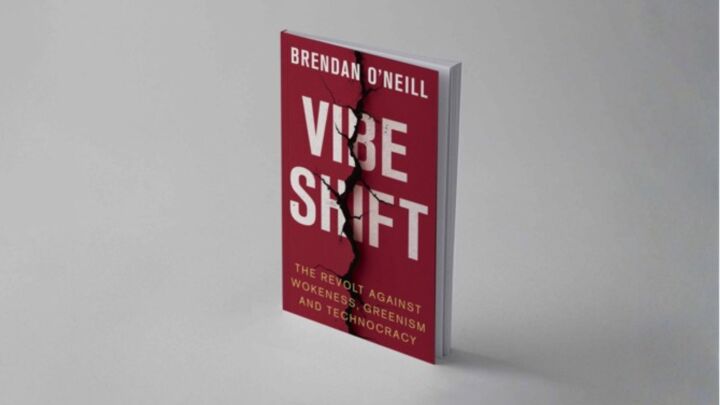
The ‘vibe shift’ on the climate is already impacting policy beyond Trump’s America, too. In December, the climate-fanatical European Commission watered down its planned ban on petrol and diesel cars, fearing a collapse of Germany’s car industry. The year before, the EU was forced to backtrack on stringent new emissions rules on agriculture, following years of furious protests from farmers across the continent.
In Britain, Reform UK, which topped the polls for most of 2025, promised to scrap ‘Net stupid Zero’ back in March. The Conservative Party quickly followed suit. A few days later, Tory leader Kemi Badenoch denounced Britain’s 2050 deadline for reaching Net Zero carbon emissions as unachievable, ‘without a serious drop in our living standards or by bankrupting us’. Then, in September, she pledged to allow every last molecule of oil and gas to be extracted from the North Sea.
The Conservative Party’s conversion to Net Zero scepticism not only drew a clear dividing line with the Labour government, whose enthusiasm for eco-austerity remains stubbornly undimmed. It also marked a decisive break with past Tory administrations. After all, it was the Conservatives who signed Britain up to legally binding Net Zero targets, at the fag end of Theresa May’s premiership. It was Boris Johnson who warned that the Industrial Revolution had set off a doomsday clock, counting down to a ‘detonation that will end human life as we know it’. And it was David Cameron who, as opposition leader during the New Labour era, successfully persuaded Tony Blair and then Gordan Brown to tighten the legally binding decarbonisation targets in the Climate Change Act 2008. While Badenoch’s chances of forming a government seem remote, her break with Net Zero is nevertheless an historic shift. A political taboo has been shattered – a spell broken.
There are two main drivers of this climate climbdown. The first is that activists’ overheated predictions of doom are consistently failing to materialise. From the UN’s declaration of ‘global boiling’ to David Attenborough’s fears of a ‘collapse of civilisation’, the relentless eco-fearmongering is difficult to square with reality. The rarely spoken truth is that the number of people actually being killed by climate is extremely low. In fact, it has actually decreased, even as global temperatures have risen. Climate-related deaths have fallen by as much as 97 per cent over the past 100 years. Contrary to Boris Johnson’s end-times prophecy, the Industrial Revolution and the subsequent explosion in economic growth severed the link between climatic conditions and human flourishing. The wealthier and more technologically advanced a society, the more it can withstand the ravages and whims of nature.

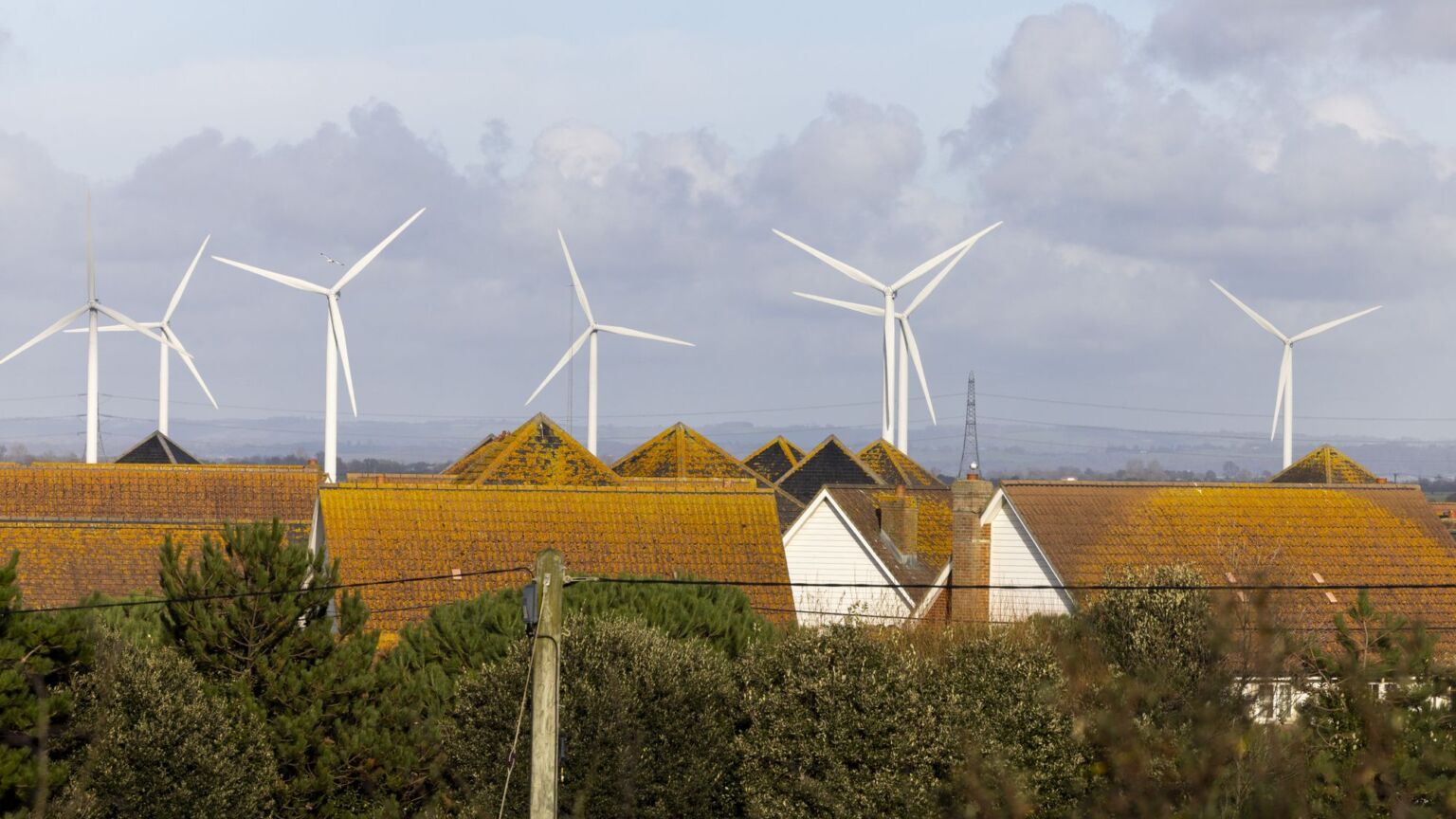
Yet while the climate apocalypse has yet to arrive, the measures aimed at mitigating this alleged crisis are already proving catastrophic. The UK, where the political class loves to boast about imposing ‘world-leading’ climate targets, is leading the way in deindustrialisation. Since the Labour government came to power in 2024, and put the Net Zero agenda on steroids, heavy industry has been in freefall. The Port Talbot steelworks has shed around 2,800 jobs; British Steel had to be effectively nationalised to avoid its sudden closure; Scotland’s last oil refinery no longer processes crude oil; the chemicals industry is on its knees. These are just a few of the casualties in Britain alone. Across Europe, and especially Germany, where Net Zero targets are enshrined in EU law, the climate agenda has proven just as disastrous.
All of this has led Dieter Helm, a former adviser to Boris Johnson on Net Zero, to call for a ‘big dose of climate realism’. The energy transition from reliable, cheap fossil fuels to expensive, unreliable renewables, he says, is undoubtedly leading to ‘permanently high energy costs and diminished industrial competitiveness’.
The UK and Europe are finally learning the hard way what was already obvious to the developing world. That industrialisation requires cheap, abundant energy. And cheap, abundant energy requires nuclear power or oil and gas. No nation has ever industrialised with wind or solar power alone. Indeed, this is why despite 10 years of the Paris Agreement, and 30 years of UN climate conferences, the global energy mix has hardly changed. Overall, oil, gas and coal still account for a whopping 81.5 per cent of the world’s primary energy use. Which is hardly surprising when you consider that China alone, the world’s largest CO2 emitter, is building the equivalent of two coal plants per week. Or that in India, the minister for coal boasted last year on X that: ‘India has crossed a monumental ONE BILLION TONNES of coal production! This achievement will fuel our increasing power demands, drive economic growth and ensure a brighter future for every Indian.’ These nations do sometimes pay lip service to Western-led climate initiatives, but they have never really obeyed them in practice. This has allowed them to continue developing rapidly and to improve the quality of life for their citizens in the process.
The West’s climate vibe shift, however partial it may be so far, is long overdue. The eco-zealots have vastly overhyped the threat of climate change, and ignored the catastrophic costs of Net Zero, doing enormous damage to living standards and industry in the process. Let’s hope rationality returns in full in 2026.
Fraser Myers is deputy editor at spiked and host of the spiked podcast. Follow him on X: @FraserMyers.
You’ve hit your monthly free article limit.
Support spiked and get unlimited access.
Support spiked and get unlimited access
spiked is funded by readers like you. Only 0.1% of regular readers currently support us. If just 1% did, we could grow our team and step up the fight for free speech and democracy.
Become a spiked supporter and enjoy unlimited, ad-free access, bonus content and exclusive events – while helping to keep independent journalism alive.
Monthly support makes the biggest difference. Thank you.




Comments
Want to join the conversation?
Only spiked supporters and patrons, who donate regularly to us, can comment on our articles.