Now the war on Englishness could upend the Census
Why can’t progressives accept that there is such a thing as English ethnicity?
Want unlimited, ad-free access? Become a spiked supporter.
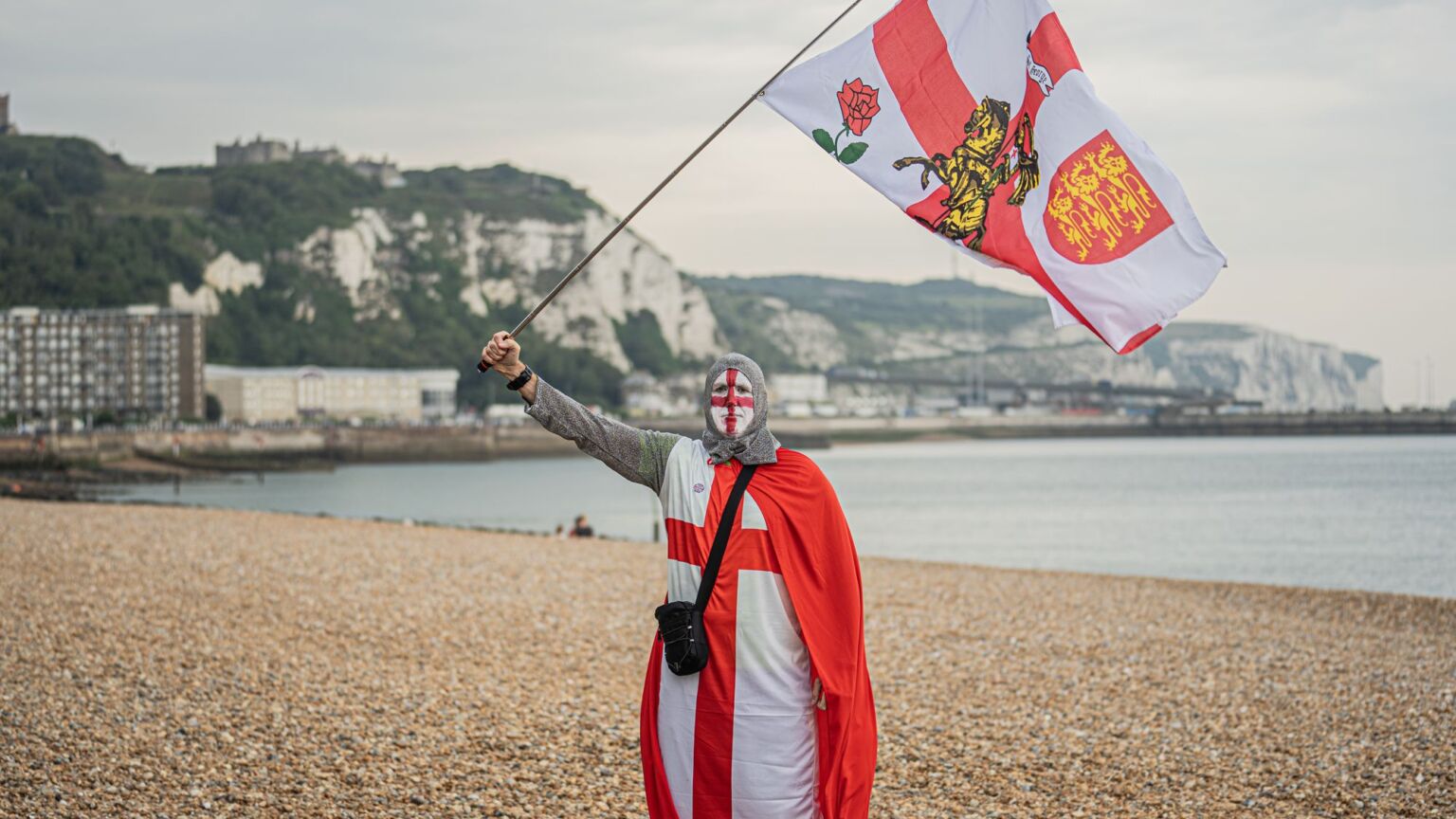
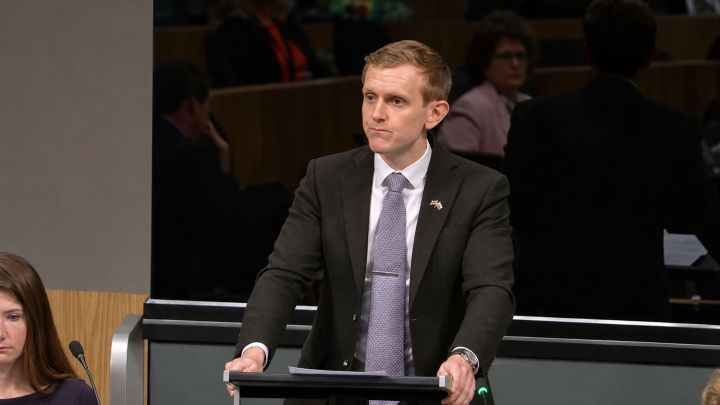
In the latest reckless political foray into matters of identity in modern Britain, Liberal Democrat MP Josh Babarinde is proposing legislation that would add ‘black English’ and ‘Asian English’ to the list of ethnicities on the Census. His St George’s Bill has been co-sponsored by Labour’s David Lammy and has also gathered support from former Conservative home secretary James Cleverley.
As it stands, ‘English’ is only an option in the ‘white’ category of the Census. Until five minutes ago, hardly anyone would have ever given this issue a second’s thought. But the question of who counts as English was thrust into the public spotlight in October, when Reform UK’s Suella Braverman said that she considered herself British, but not English. Progressive critics called her a ‘racist’ for supposedly excluding non-white people from defining themselves as English (even though she did nothing of the sort). Meanwhile, ethnonationalists and Restore Britain supporters balked at the idea that she would even describe herself as British.
While supporters of the St George’s Bill have suggested that these changes to the Census are inclusive and reflect the realities of modern Britain, all they will do is delegitimise the status of English people as a distinct ethnic group. This is especially problematic in an era of remarkable demographic change, in a country where the native population is in the minority across several cities and towns, including my hometown of Luton. While Babarinde’s efforts to add ‘Asian English’ and ‘black English’ may be seen as a way to suppress ethnonationalist thinking in England, they risk doing the opposite by hardening ethnic and racial consciousness among the indigenous population, many of whom already feel their identity is being denied by the state.
It should also be noted that the new categories pushed by the St George’s Bill are unlikely to receive much support from ethnic minorities themselves. Polls show that ethnic-minority adults born in England are much more likely than their white counterparts to say they feel more ‘British’ than ‘English’. Indeed, they are more likely than their white peers to have a more restrictive understanding of English identity. Most see ‘British’ as a civic national identity and ‘English’ as having more to do with heritage, ancestry and family descent. Why should the likes of Babarinde, Lammy and Cleverly shove an English identity down the throats of ethnic-minority people who take pride in both being British and in their ancestral roots outside of the UK?
There is also a technical problem of creating new ethnic categories. It is very likely to confuse people, and, more concerningly, compromise the quality of the population data being collected. The data from the next Census would no longer be continuous with the last. It would also make it more difficult to make sound comparisons within racial categories such as ‘Asian’ and ‘black’ – that is, between Jamaicans, Nigerians, Bangladeshis, Palestinians, etc. This is important because there are stark divisions between ethnic groups, especially in terms of education, employment, housing and health. Without accurate and granular data, academics like me could not identify differences in integration, nor explore the potential cultural factors that may lie behind them.
Fooling around with the Census for ideological purposes has already created stupid, bizarre outcomes. The last Census in 2021 included a question on ‘gender identity’ for the first time. Respondents were asked: ‘Is the gender you identify with the same as your sex registered at birth?’ This led to the absurd ‘finding’ that Newham, an east London borough with a high proportion of socially conservative Muslims of Bangladeshi heritage, is home to a higher proportion of trans residents than Brighton, a university city known for being an LGBTQIA+ hub. These results were so obviously flawed that the Office for National Statistics was forced to disown the statistic. What the findings really reflected were linguistic and cultural barriers. A significant chunk of respondents simply did not understand what the question was asking.
The Census should exist to provide the state and the public with accurate data that deepens our collective understanding of the society we live in and how it is changing. This in turn helps us decide how public resources are allocated, based on economic, social and cultural needs. The national Census must not be reduced to a plaything of political tribalists who seem to care little about social cohesion, let alone methodological rigour.
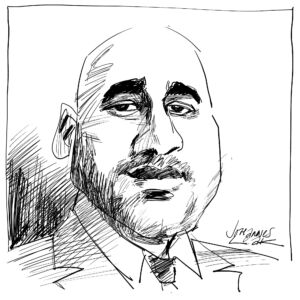
Rakib Ehsan is a spiked columnist and the author of Beyond Grievance.
You’ve hit your monthly free article limit.
Support spiked and get unlimited access.
Support spiked and get unlimited access
spiked is funded by readers like you. Only 0.1% of regular readers currently support us. If just 1% did, we could grow our team and step up the fight for free speech and democracy.
Become a spiked supporter and enjoy unlimited, ad-free access, bonus content and exclusive events – while helping to keep independent journalism alive.
Monthly support makes the biggest difference. Thank you.

Comments
Want to join the conversation?
Only spiked supporters and patrons, who donate regularly to us, can comment on our articles.