Apathy in the UK
Too many are resigned to stagnant living standards, a deteriorating public realm and rampant anti-social behaviour.
Want unlimited, ad-free access? Become a spiked supporter.
Riots have swept across Europe, from Paris to cities in Germany, Italy and Spain. The reasons for these protests and clashes vary, although failed integration and stagnant economies have certainly been driving factors. Although there are, of course, looters and other troublemakers, the current scale of the unrest suggests this is far from the whole story.
Anger over living standards and the cost of living is widespread. In France, Emmanuel Macron is deeply unpopular, and his leadership has been disastrous for the French people. His decision in 2023 to raise the retirement age from 62 to 64 left deep scars. In Spain, housing has been a clear focus of protests. The eviction of Maricarmen Abascal, 87, from the apartment she had lived in for more than 70 years, quite rightly brought Spaniards out on the streets. Across Europe, many are challenging political decisions that have left them exposed to market forces.
As bad as things are in Europe, I would argue that the decline in the UK’s living conditions, public services and communities has been even more pronounced. Comparisons of household income suggest that British families on low-to-middle incomes are roughly £8,800 a year worse off than similar households in countries such as France, Germany and the Netherlands. Wages adjusted for inflation have stagnated in the UK for nearly two decades, while France, Germany and the Netherlands have seen relative (if still modest) gains.
Mainland Europe faces severe urban housing crises of its own. But the UK’s combination of exceptionally high housing costs relative to income, undersupply and poor-quality homes makes its structural problems particularly severe. Yet despite all of this, we have not taken to the streets in the same way. Many are asking why.
For one thing, we are an extremely divided nation, and our politics have been turbulent for more than a decade. The Brexit referendum exposed stark divisions of class and geography, revealing deep inequalities across Britain. Since 2016, those divisions have widened into chasms – between generations and classes, and between different parts of the country. At times, it feels as though we hate one another more than we hate the politicians who have inflicted this state of affairs on us. This has diverted our attention from where responsibility lies: Westminster and Whitehall, and a state more concerned with protecting itself from the people than serving them.
Instead of directing our anger outwards through protest, we have turned it inwards. I see this as a kind of self-harm: attacking our own communities, whether deliberately or by becoming resigned to the deterioration of our towns, cities and high streets.
In the mid-1980s, American criminologist Ann Curtis introduced the concept of ‘slow rioting’ to explain the rise of violent crime in marginalised American inner cities. Curtis viewed persistent, everyday violence as an expression of wider systemic neglect: smashed windows, anti-social behaviour, violence against neighbours and a general disregard for one’s own community.

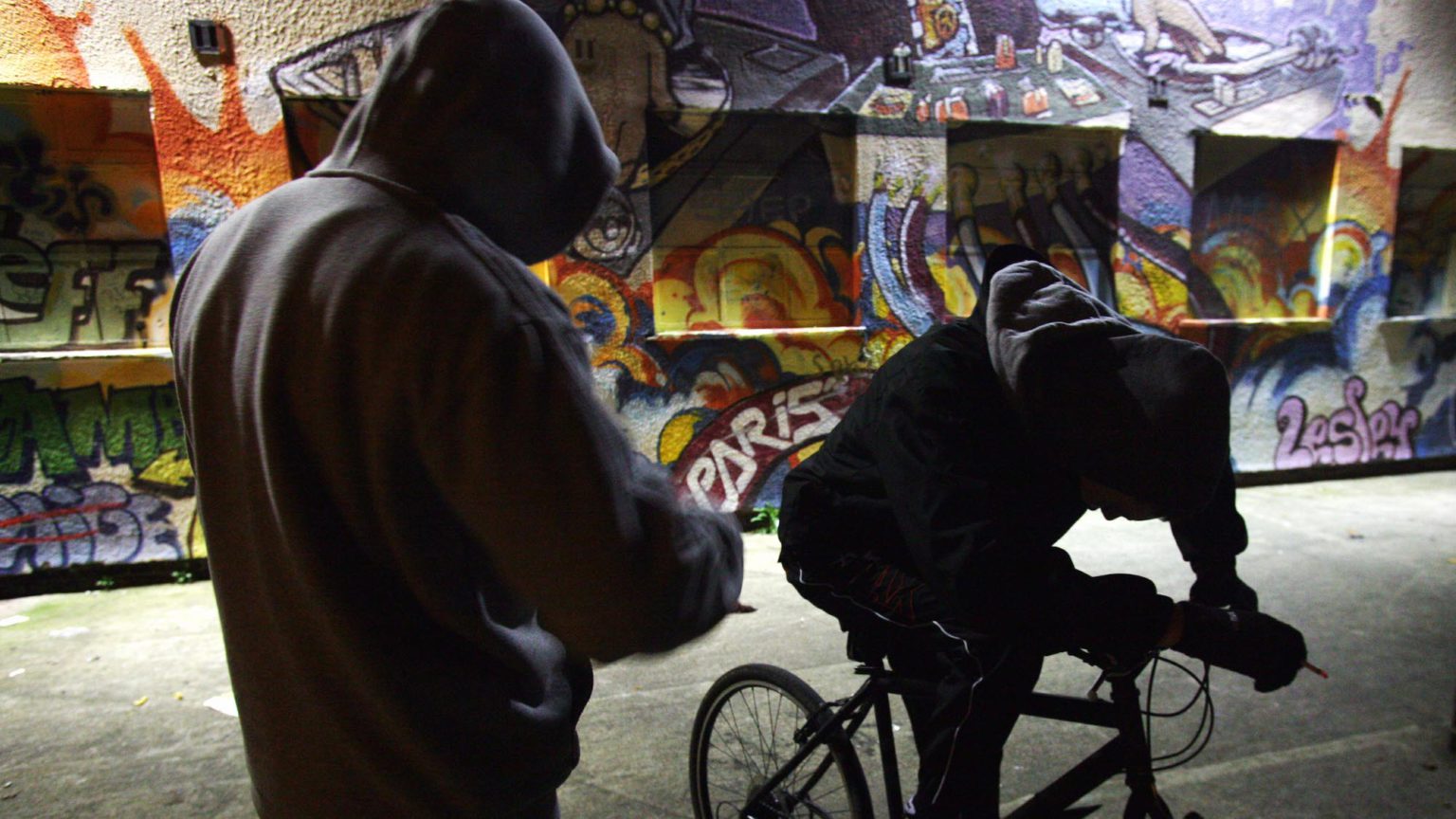
I see echoes of that same ‘slow riot’ across the UK. High streets stripped of shops, rising homelessness, addiction, knife crime and a sclerotic, inefficient state increasingly resigned to managed decline. It is a slow burn of crime, economic depression and social decay.
Politicians and the state more broadly have been responsible for this. The familiar refrain that ‘they’re all the same’, and the feeling that politics has nothing to do with ordinary people, reflect a population alienated from political life. The state has deliberately diminished sections of its population – so much so that they feel unable to fight back.
Rather than remaining angry, politically engaged and focused on those responsible, people have given up. And we have been left screaming at one another, rather than at those who really deserve our anger.
Lisa McKenzie is a working-class academic.
You’ve hit your monthly free article limit.
Support spiked and get unlimited access.
Support spiked and get unlimited access
spiked is funded by readers like you. Only 0.1% of regular readers currently support us. If just 1% did, we could grow our team and step up the fight for free speech and democracy.
Become a spiked supporter and enjoy unlimited, ad-free access, bonus content and exclusive events – while helping to keep independent journalism alive.
Monthly support makes the biggest difference. Thank you.



Comments
Want to join the conversation?
Only spiked supporters and patrons, who donate regularly to us, can comment on our articles.