The gravitas and dignity of Patrick Stewart
The Star Trek star’s commanding presence will be sorely missed.
Want unlimited, ad-free access? Become a spiked supporter.
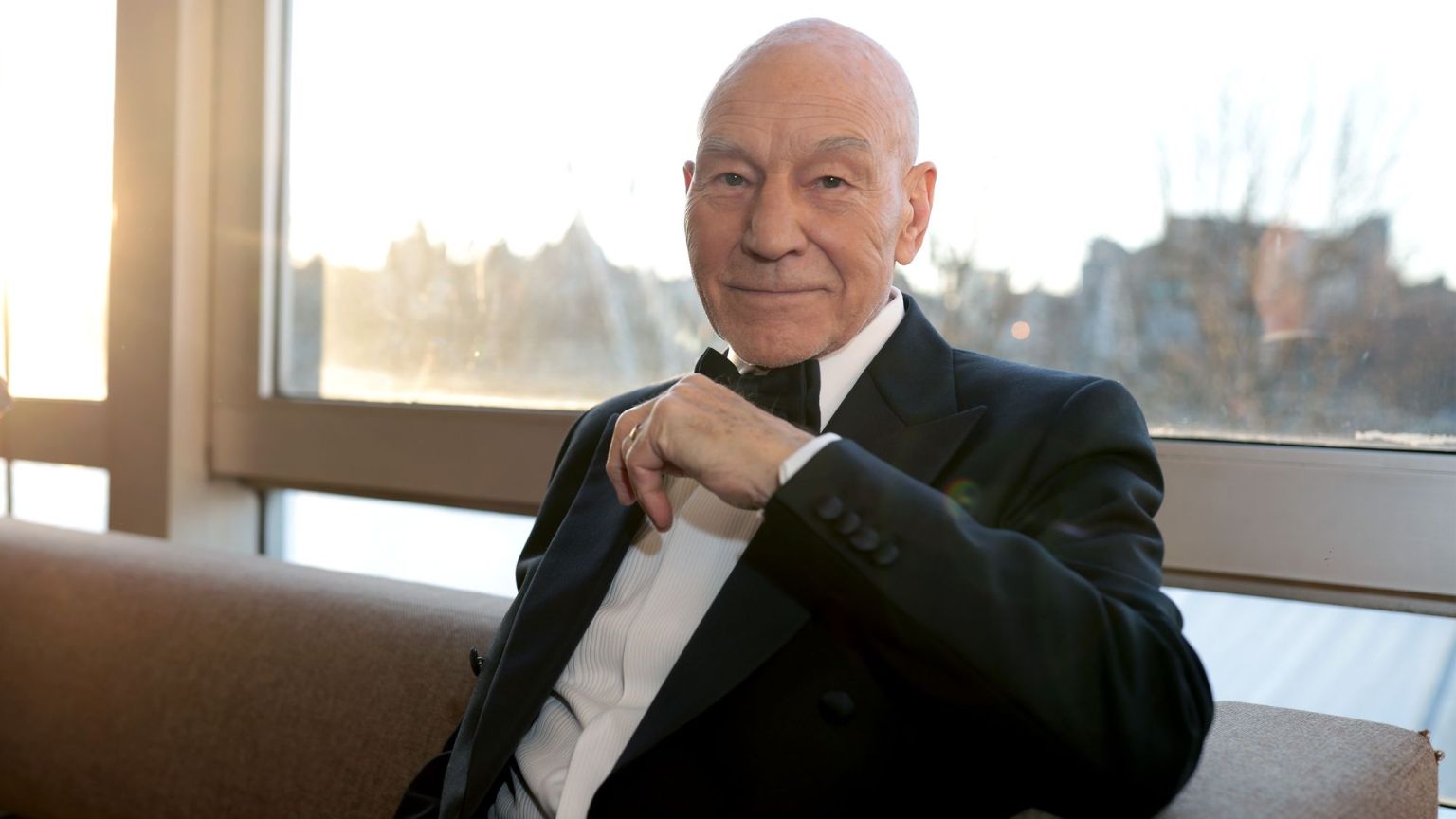
Sir Patrick Stewart, the actor best known as Captain Jean-Luc Picard in Star Trek: The Next Generation and Professor X in the X-Men films, died at his home in Los Angeles on 28 October. He was 86.
Before anything else, Stewart was a Shakespearean actor, trained at Bristol Old Vic Theatre School. He joined the Royal Shakespeare Company in 1966. He spent much of his career playing authority figures and men in charge: kings, captains, teachers.
Stewart belonged to a tradition of Englishness that was already going out of fashion when he became truly famous. The Shakespearean voice, the gentlemanly bearing, the assumption that someone ought to be in charge.
Yet today, when authority has become an almost alien skill across public life, there is something deeply appealing about Stewart’s old-fashioned commanding presence. What made Stewart so special was that his authority did not come naturally. Rather, it was itself a performance that had to be worked at and perfected. Stewart was a working-class Yorkshireman who learned to sound like the English establishment. In doing so, he became a better version of it.
There is something pleasurable about authority when it is knowingly performed rather than simply exercised from above. We can enjoy the dignity, the reassuring sense that someone knows what they are doing. Stewart’s authority charmed rather than commanded us. However grand the character, you could always feel the relatable man behind it. In his memoir, Making It So, he wrote of the bond between himself and his Star Trek character Picard: both had travelled far while remaining connected to their origins. You could sense this on screen. The Yorkshireman was never far below the surface, and his high-status dignity never hardened or fell into snobbery.
By the time he made it big in television in the Nineties, the Shakespearean style he inhabited was already an object of parody. It came from a tradition of declamation, intensely focussed on breathing, rhythm and the correct emphasis on each word. This grand Royal Shakespeare Company manner was really an imitation of the great stage actors of the previous generation – especially Laurence Olivier and John Gielgud, who were themselves imitating the Victorians before them.
Stewart himself later admitted that his first-season Picard was too stagey and too big. He quickly learned to soften his style for TV without losing the presence and dignity that came from his stage training. In the end, it was a unique mixture, ideal for the parts that made him famous: Picard, the starship captain, and Xavier, the telepathic headmaster of a private school. Both were idealised leaders, fantasies of authority.
There was an irony in making an old-fashioned English gentleman the captain of a starship. A manner and mode of behaviour associated with Britain’s class-bound past became the voice of humanity’s enlightened future. Stewart made old authority attractive again, partly because he understood how ridiculous it could be.
The affection Stewart earned through his distinctive persona can be seen in the way Picard became a fixture of the internet. His facepalm, from the 1990 episode ‘Deja Q’, is one of its most familiar reaction images, the grand captain brought low by exasperation. Stewart understood his own persona very well and was happy to mock himself in Ricky Gervais’s Extras. Only an actor who embodied dignity so profoundly could send it up so cheerfully.
Picard’s famous command – ‘Make it so’ – is a strange thing for one adult to say to another. From Stewart, it sounded like reassurance. He represented an English ideal of authority that, when he inherited it, was a pastiche. He filled it with life and made it fresh and meaningful again. It was sincere because it took skill to acquire and self-awareness to exercise. And now we find ourselves nostalgic for a recent past when this style of authority felt like it had a future.
Maren Thom is co-host of the Performance Anxiety podcast.
You’ve hit your monthly free article limit.
Support spiked and get unlimited access.
Support spiked and get unlimited access
spiked is funded by readers like you. Only 0.1% of regular readers currently support us. If just 1% did, we could grow our team and step up the fight for free speech and democracy.
Become a spiked supporter and enjoy unlimited, ad-free access, bonus content and exclusive events – while helping to keep independent journalism alive.
Monthly support makes the biggest difference. Thank you.






Comments
Want to join the conversation?
Only spiked supporters and patrons, who donate regularly to us, can comment on our articles.