Labour is still neglecting the North Sea’s potential
Britain can no longer afford the luxury of our leaders’ Net Zero obsession.
Read our latest coverage of the French riots here – paywall-free all of this week..
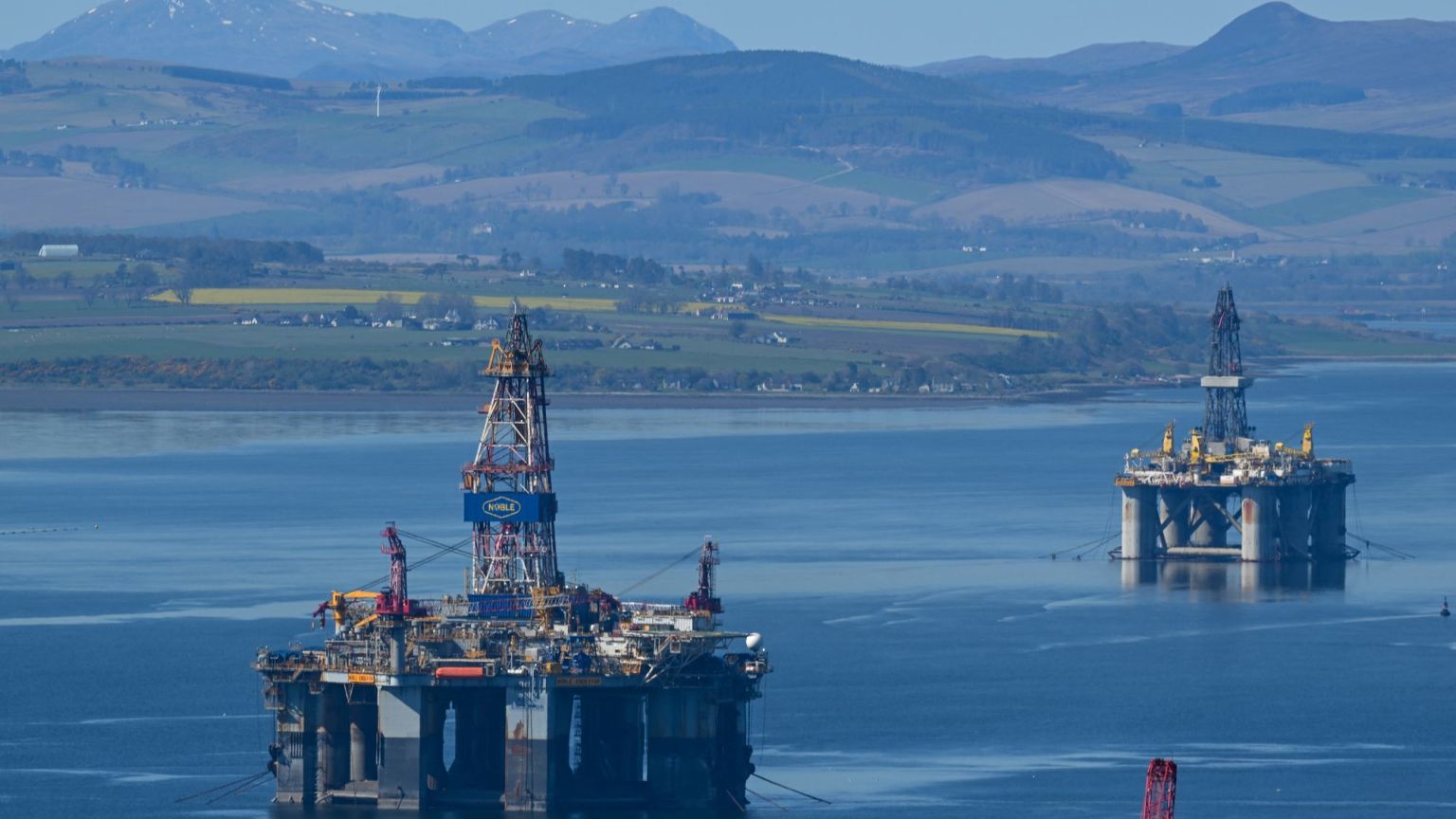
After years of being held up by legal challenges, the Jackdaw gas field, which sits about 150 miles east of Aberdeen in the North Sea, is to be reopened for exploration and production. This is undoubtedly good news – yet it also represents a half-measure by Andy Burnham’s Labour government.
Rosebank, a site which sits a few hundred miles northwest of Jackdaw, is the bigger prize for the UK economy. Ideally, the government would have allowed production at both sites, but if they had to pick one, Rosebank would have been the superior choice. Why the government looks set to reject Rosebank tells us a lot about UK energy policy and where it looks to be headed.
Some basics on Rosebank. It is estimated that it can produce around 69,000 barrels of oil a day at peak production, although exploration could reveal more than this in time. The total reserves of the site are estimated at 500million barrels of oil, which is an amount that would supply the UK’s needs on its own for a year and a half.
Rosebank could also produce about 44million cubic feet of gas a day. This is a small amount in terms of overall British consumption, but every little bit of gas helps. This is because the UK has become terrible at domestically producing natural gas and then storing it. We import around 68 per cent of the gas we use, which is a shocking amount given how much of our own gas we could be producing. UK energy policy should be absolutely focussed on reducing how much energy we import – instead, it is all about Net Zero, at least for this government and the Tory governments that preceded it.
Again, opening Jackdaw is good news. The site can produce about 200million cubic feet of gas a day, which is around 2.5 per cent of UK demand. That doesn’t sound like a lot, but again, any uptick in domestic energy production is a good thing at this point. Yet opening Jackdaw and not Rosebank makes very little sense given that production at both sites would so obviously be beneficial to Britain, both in economic terms and energy security.
What, then, are the arguments against opening both sites up? I will run through the main ones now – and debunk them.
The chief argument made by environmentalists is that producing any oil and gas whatsoever in Britain is bad because it will make it extremely difficult for us to meet our climate targets – a 68 per cent reduction in carbon emissions by 2030 compared to 1990 levels, and entirely Net Zero by 2050. Putting aside an argument on whether Net Zero is a good thing to aim for or not, this argument does not even make sense on its own terms.
The UK does very well globally in the Net Zero race. Why? Because we don’t produce nearly enough of our own energy. We import it. Which means that we are simply allowing carbon production to take place elsewhere, while the UK gets to virtue-signal about being a low-carbon emitter. But climate change is a global problem. Cutting CO2 emissions down in Britain so that China or elsewhere can produce a whole lot more on our behalf makes no sense at all in environmental terms. Yet that is what we are doing.

The other classic argument is the one that says there is no point in exporting more energy from Britain because it would not provide an economic benefit. Oh dear, this is the one I really detest, mostly because the thinking is so lazy.
For a start, energy production in Britain at the level of Jackdaw and Rosebank would provide an instant boon to the UK economy in two ways.
One, it would create jobs, possibly thousands of them, which I assume doesn’t need explaining in terms of economic benefit. The other is in the form of tax receipts. Even if energy companies export most of what they produce at Scottish sites, they will be taxed in the UK for it. The headline rate is 78 per cent, so we are talking about a potentially huge amount of money that the Treasury could have that it does not currently have.
The arguments for opening as many sites in the North Sea for energy exploration and production as are financially viable are obvious and common sense. The arguments against them are half-arsed, logically incoherent and bathed in ideological dogma.
One of the most important issues for the United Kingdom over the next decade will be energy security. We are way, way behind the curve on this now. Our neighbours in Norway do every aspect of energy better than we do, from the production of oil and gas to developing renewable energy sources. You would think getting the left to look at Norway for answers would not be that difficult to do, given that it’s a successful Nordic social democracy. But when it comes to energy, even that is a bridge too far.

Britain needs to sort this problem out. Opening Jackdaw is a start, but a modest one. We need to produce more of our own energy. Without it, we’ll become poorer and more vulnerable, while having no impact on climate change.
Nick Tyrone is the author of The Rise of Reform, published by Swift.
You’ve hit your monthly free article limit.
Support spiked and get unlimited access.
Support spiked and get unlimited access
spiked is funded by readers like you. Only 0.1% of regular readers currently support us. If just 1% did, we could grow our team and step up the fight for free speech and democracy.
Become a spiked supporter and enjoy unlimited, ad-free access, bonus content and exclusive events – while helping to keep independent journalism alive.
Monthly support makes the biggest difference. Thank you.






Comments
Want to join the conversation?
Only spiked supporters and patrons, who donate regularly to us, can comment on our articles.