Rape gangs are still rampant in broken Britain
The latest Bradford grooming-gang trial highlights the dangers of multicultural segregation.
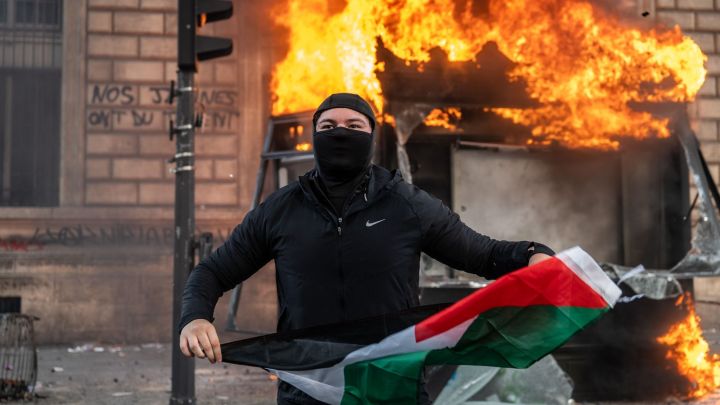
Read our latest coverage of the French riots here – paywall-free all of this week..
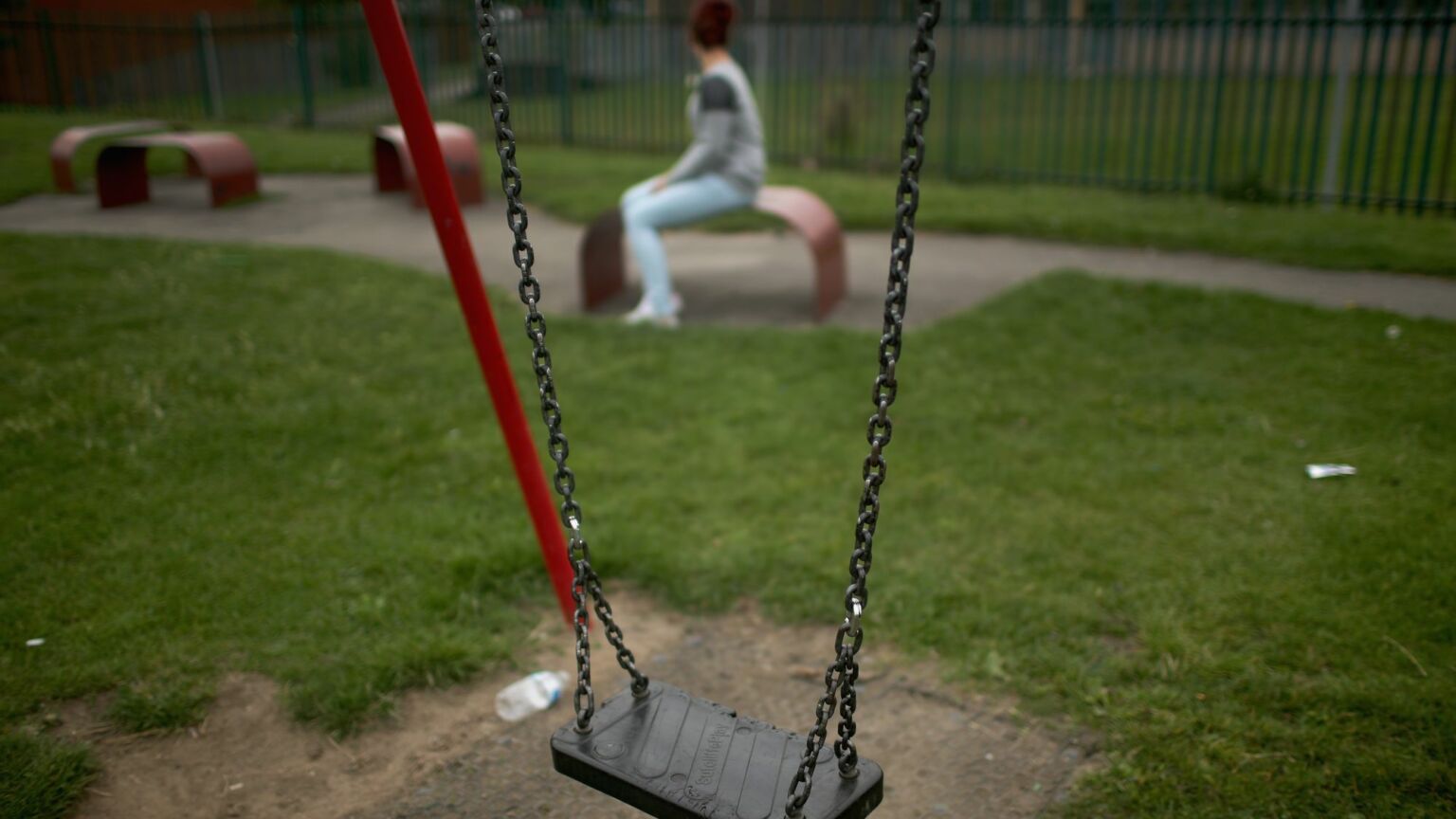
A Bradford grooming-gang has been jailed for a total of 188 years for the four-year-long sexual abuse of a teenage girl. The abuse took place between 2007 and 2011, when the victim was aged between 14 and 18 years. In total, 15 men were found guilty of 88 counts of rape at Bradford Crown Court.
All men appear – from their names and appearance – to be Muslims of South Asian heritage. Most of the gang members hail from Bradford, while some are from nearby towns such as Keighley, Halifax and Batley. The victim gave a harrowing testimony. She said her childhood had been stolen from her and that the horrific abuse she suffered would always live with her.
The latest Bradford grooming-gang case follows the trial of another grooming gang, operating in nearby Kirklees. Twenty people were jailed for a total of 277 years for the sexual abuse of three young girls (one of whom was just 12 at the time) during the 1990s and 2000s. Judging by their names and appearance, 19 of the 20 convicted were ethnic-minority Muslim men. The exception was 45-year-old Donna Lynn, who was convicted for controlling prostitution. The oldest of the 20 convicted was 87-year-old Ibrahim Khalifa, from Bradford.
Grooming gangs are a nationwide scourge. But the recent wave of convictions in West Yorkshire illustrates, once again, a vital aspect of the scandal – namely, that grooming gangs have flourished in segregated Muslim communities, especially among those of Pakistani heritage.
Last year’s national audit on grooming gangs by Baroness Louise Casey drew attention to precisely this problem. It concluded that there was enough evidence to show that ‘disproportionate numbers of men from Asian ethnic backgrounds among suspects for group-based child sexual exploitation’. She urged the authorities to make far more of an effort to explore why it appeared that men of Asian, and specifically Pakistani heritage, were disproportionately represented among perpetrators. Only then can we better understand and tackle grooming-gang activity.
Casey’s findings built on the work, published in 2020, of social-work academics Kish Bhatti-Sinclair and Charles Sutcliffe. They showed that men with Muslim-sounding names, especially of Pakistani heritage, ‘dominate [group localised child sexual exploitation] prosecutions’.
It’s clear that any national statutory inquiry into the grooming gangs must explore the societal and cultural drivers of grooming-gang activity. And it appears that West Yorkshire, and especially Bradford, are key areas for investigation. Above all, it is essential to shine a light on poorly integrated Muslim communities, many of whom originate from the district of Mirpur in Azad Kashmir.

While Mirpur is a part of Kashmir, its inhabitants predominantly share their customs and culture with Punjabis, Pakistan’s majority ethnic group. Certain attitudes are prevalent among men from Mirpur, including violent misogyny and a tendency towards religious supremacism. It appears that communities originating from this area now live in West Yorkshire, and many have formed patriarchal clans along kinship lines, reinforced by cousin marriage.
The emergence of Mirpuri-heritage grooming gangs over the past few decades highlights the dangers of segregation, including familial insularity, multi-generational cohesion and tight-knit community networks based on cultural codes of ‘secrecy’ and ‘protection’. It seems as if certain attitudes and sentiments prevalent among communities in Mirpur have persisted and even been exacerbated thanks to de facto segregation in the UK.
This all needs looking at, honestly and openly. The authorities have been paralysed by political correctness and in thrall to identity politics for far too long. We need to explore, without fear, the social and cultural factors driving grooming-gang activity. Or else we will continue to put the most vulnerable children in our society at risk.
Rakib Ehsan is the author of Beyond Grievance: What the Left Gets Wrong about Ethnic Minorities, which is available to order on Amazon.

spiked summit 2026 – SOLD OUT
Saturday 27 June 2026
10am-6pm, Saturday 27 June
Emmanuel Centre, London, SW1P 3DW
With Lionel Shriver, Brendan O’Neill, Katharine Birbalsingh, Toby Young, Allison Pearson, Paul Embery, Tom Slater, Andrew Doyle, Fiyaz Mughal and more
The spiked summit has now SOLD OUT. To join the waitlist, email:
[email protected]
£80 or £50 for supporters
You’ve hit your monthly free article limit.
Support spiked and get unlimited access.
Support spiked and get unlimited access
spiked is funded by readers like you. Only 0.1% of regular readers currently support us. If just 1% did, we could grow our team and step up the fight for free speech and democracy.
Become a spiked supporter and enjoy unlimited, ad-free access, bonus content and exclusive events – while helping to keep independent journalism alive.
Monthly support makes the biggest difference. Thank you.



Comments
Want to join the conversation?
Only spiked supporters and patrons, who donate regularly to us, can comment on our articles.