Net Zero is lining Putin’s pockets
Britain is importing oil from Russia while banning production in the North Sea.
Want unlimited, ad-free access? Become a spiked supporter.
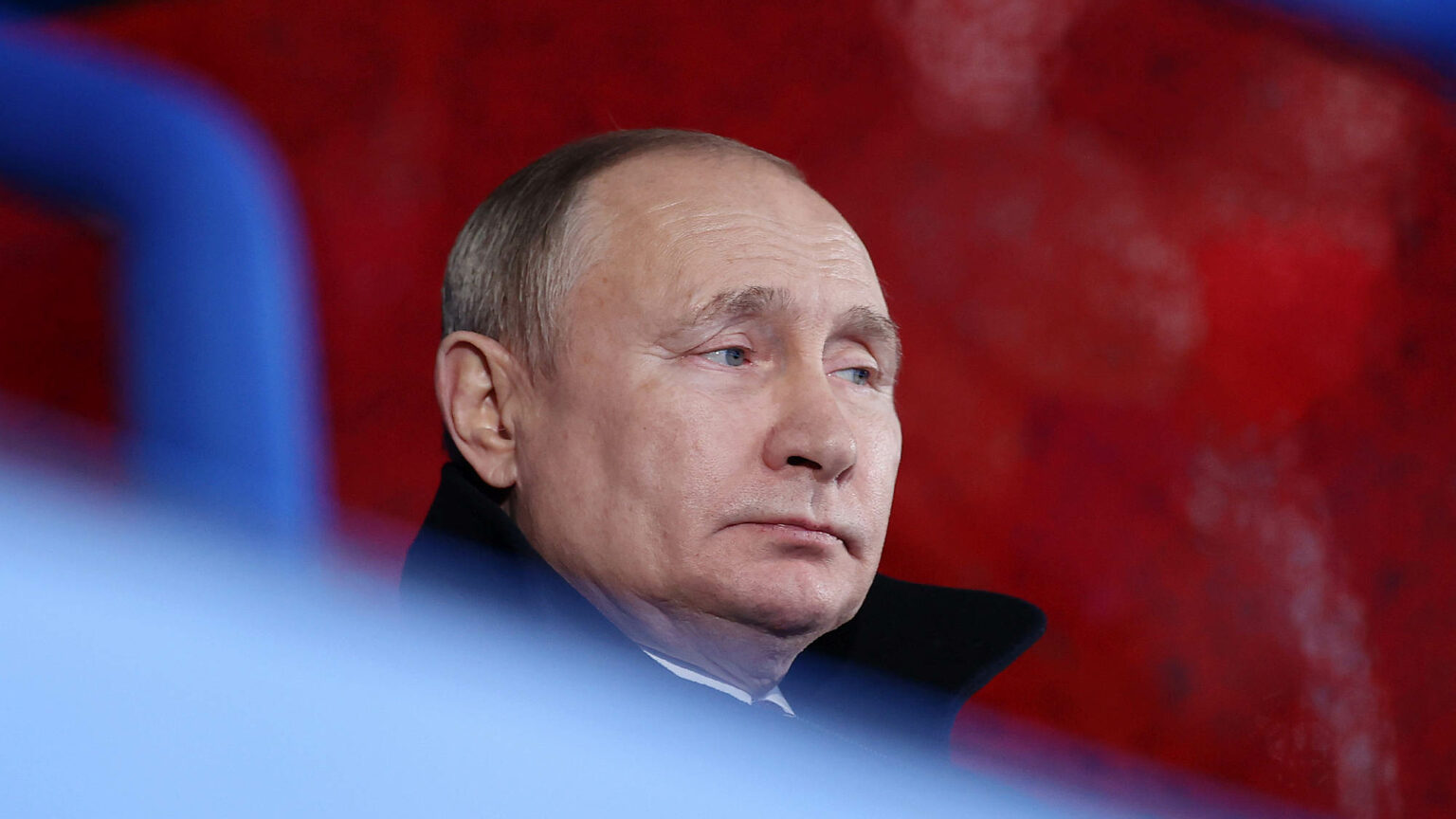
Three months ago, UK prime minister Keir Starmer used the fourth anniversary of Russia’s invasion of Ukraine to promise a tougher sanctions campaign against Putin’s energy interests.
In his speech, Starmer praised the ‘incredible resilience’ of the Ukrainian people and said it was a ‘falsehood’ to claim Putin was winning. Ukraine’s allies, he said, had to ‘double down’ on support. ‘That means capability’, he said. ‘It means resource. It means more sanctions.’ Britain would target 300 Russian energy companies and the shadow fleet, which were ‘essential in terms of weakening the ability of Russia to continue with this aggression’.
Yet in May, Starmer’s government announced that diesel and jet fuel made from Russian crude oil would be allowed to flow into the United Kingdom, provided it is refined in a third country. The reaction from the public and the media has been one of outrage. Wasn’t the UK meant to be tightening sanctions on Russia, not loosening them?
The situation becomes even more perverse in light of another recent government announcement. In the King’s Speech, Labour set out plans to make it unlawful for ministers to grant new oil and gas licenses in the North Sea. At the same time Britain is refusing to drill and refine its own copious reserves of oil, it is importing it from Russia. Starmer and the Labour Party, despite their bravado over Ukraine, are literally lining Vladimir Putin’s pockets while destroying domestic production.
The consequences go far beyond national embarrassment and economic sabotage. It also carries major ramifications at the strategic level. The Royal United Services Institute estimates that loosening restrictions on Russian-linked fuel could be worth around one billion US dollars to Putin’s war machine. But the greater damage is the signal it sends. Britain has spent four years saying it will help choke the revenues funding Russia’s invasion. Now it is retreating because it lacks the domestic fuel resilience to sustain its own position.
Sanctions are only as strong as the industrial base behind them, and deterrence only works if hostile powers believe you can absorb pressure. Moscow will see that Britain can be pushed into compromise when energy markets tighten. Beijing will see it too. The message for them is obvious: apply pressure to the right supply chain, and Britain’s foreign policy starts to bend.
The lesson from this humiliating situation is that policy must treat the world as it is, not as officials and Ed Miliband would like it to be. The statutory Net Zero target – an 81 per cent reduction in fossil fuels by 2035, and entirely fossil fuel-free by 2050 – is patently incompatible with the wider geopolitical context. It must be scrapped. Britain will still need oil, gas and refined products for decades.

The hard truth is that ministers had little choice but to go begging for Putin’s oil. The war in Iran and tight fuel markets have created real risks. These fuels are existential necessities. Agriculture, haulage, shipping, aviation and the armed forces all depend on them. Farm machinery remains overwhelmingly diesel-powered. Defence platforms such as the F-35 and the Queen Elizabeth-class aircraft carriers are built around them and will rely on them until the 2070s.
Why has Britain no ability to withstand global economic pressure? The answer is two decades of self-destructive energy policy, driven by a desire to be seen as climate leaders. Britain’s fuel vulnerability did not begin in Iran or Ukraine. The ultimate cause lies with successive governments allowing the domestic energy and refining base to decline, because it flatters our domestic carbon emissions target.
At the turn of the century, Britain had 12 refineries, nearly half the number it had in the 1970s. In 2010, the number stood at eight. After Grangemouth and Lindsey collapsed last year, Britain now has just four major operational refineries. UK refinery output has fallen from around 1.8 to 1.9million barrels per day in the early 2000s to nearer one million by 2025. Yet, over the same period, our demand for oil and fossil fuels has continued – and will continue – to rise.
The problems we are seeing today were first flagged in 2009, when Gordon Brown’s Labour government published its independent energy-security review. The report was written by Malcolm Wicks, a respected former minister under Tony Blair. In his final document, Wicks accepted the climate agenda. But he also accepted that Britain would still need hydrocarbons for decades. He warned that the UK was moving from relative energy independence to greater import dependence just as global competition for energy was set to intensify. Wicks was right.
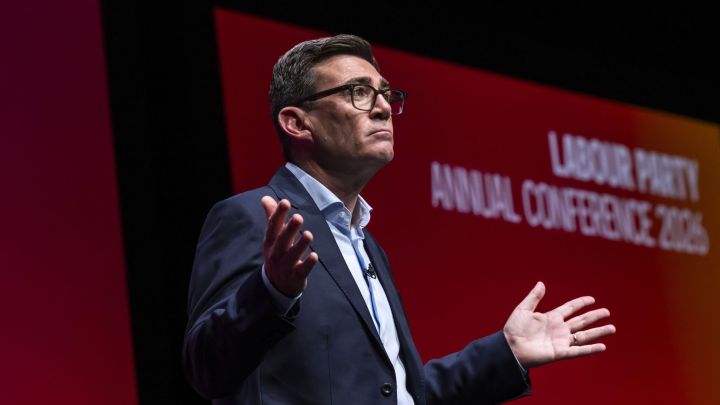
Unfortunately, from 2010 onwards, Conservative governments, aided and abetted by the Liberal Democrats in coalition and the Labour Party in opposition, did the opposite of what prudence and the national interest required. They doubled down on Net Zero, accelerated the deindustrialisation of Britain, and deepened our dependency on foreign fossil fuels rather than cultivating our own.
This approach has been catastrophic, but there is a simple way out of it. Britain should maximise domestic oil and gas production, treat refineries as strategic assets, maintain oil stocks and downstream infrastructure, and cut unnecessary costs on essential industry. The alternative is what we are seeing now.
Net Zero is indefensible. It devastates our economy and strengthens our enemies. It must be scrapped.
Maurice Cousins is campaign director for Net Zero Watch. Follow him on X: @MDC12345678.
spiked summit 2026 – SOLD OUT
Saturday 27 June 2026
10am-6pm, Saturday 27 June
Emmanuel Centre, London, SW1P 3DW
With Lionel Shriver, Brendan O’Neill, Katharine Birbalsingh, Toby Young, Allison Pearson, Paul Embery, Tom Slater, Andrew Doyle, Fiyaz Mughal and more
The spiked summit has now SOLD OUT. To join the waitlist, email:
[email protected]
£80 or £50 for supporters
You’ve hit your monthly free article limit.
Support spiked and get unlimited access.
Support spiked and get unlimited access
spiked is funded by readers like you. Only 0.1% of regular readers currently support us. If just 1% did, we could grow our team and step up the fight for free speech and democracy.
Become a spiked supporter and enjoy unlimited, ad-free access, bonus content and exclusive events – while helping to keep independent journalism alive.
Monthly support makes the biggest difference. Thank you.





Comments
Want to join the conversation?
Only spiked supporters and patrons, who donate regularly to us, can comment on our articles.