Gen Z does not need more patronising from politicians
The likes of Angela Rayner would rather infantilise young people than help them become independent.
Want unlimited, ad-free access? Become a spiked supporter.
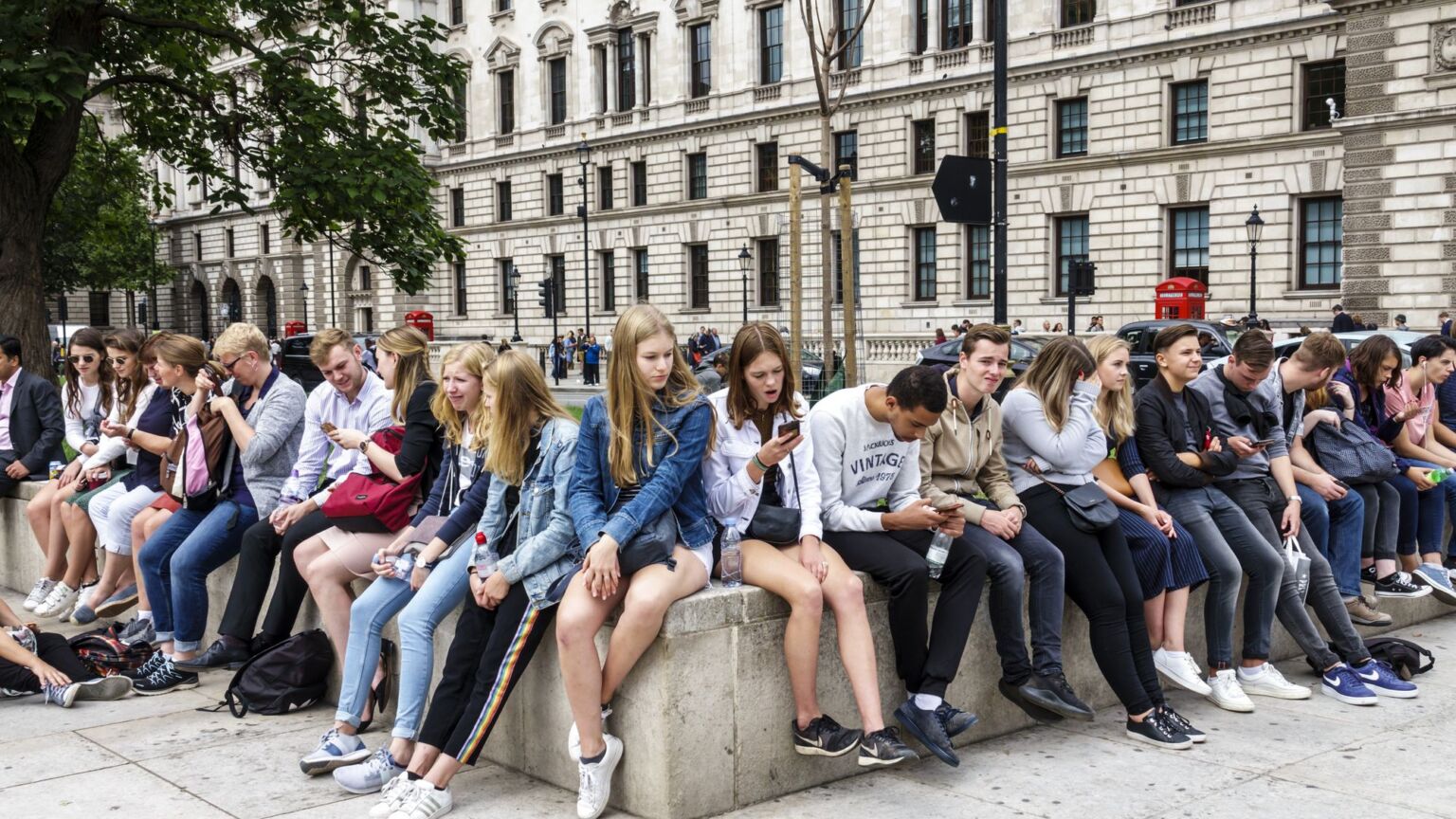
The Rest is Politics (TRIP) podcast has launched a new mini-series, called The Gen Z Story. Hosted by journalist Vicky Spratt and TRIP co-host Alastair Campbell, The Gen Z Story pitches itself as an investigation into the struggles and situation of Gen Z.
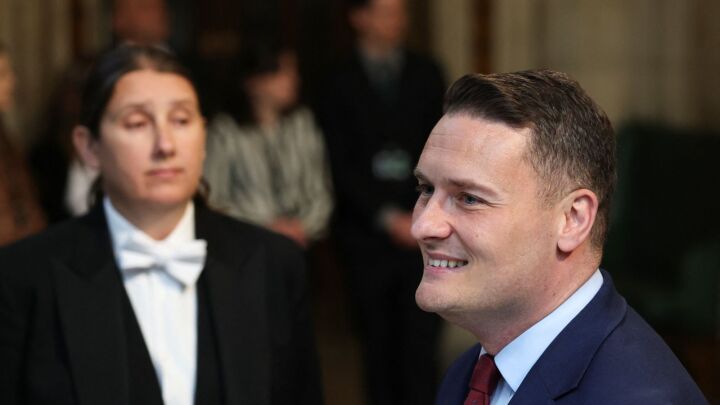
The inaugural guest was none other than potential Labour leader Angela Rayner. TRIP co-hosts Campbell and Rory Stewart claimed they launched The Gen Z Story because they didn’t want to be like the other podcasts, ‘who talk about Gen Z without actually speaking to Gen Z’. Yet, with the exception of a few cherry-picked voice notes from listeners, this is exactly what The Gen Z Story did.
Indeed, Spratt, Campbell and Rayner mounted yet another patronising appeal to the ‘lost generation’. It reinforced the paternalistic perception of a generation of young people broken by perpetual crises. ‘There are no quick fixes’, Rayner asserts; decades of underfunding our institutions cannot be amended overnight. The problem, as she put it, is that young people are too impatient for change.
What Rayner doesn’t seem to grasp is that Zoomers, and many Millennials, find themselves in dire straits. Just 30 years ago, young people could make enough money to leave home, save and eventually buy property. They weren’t drowning in student debt. Travel was cheap and the consumer market was booming. There was a mood of national optimism in the air, too, with Britpop and so-called Cool Britannia.
Reality is very different for young people today. The optimism that accompanied Gen X-ers into the workplace has been replaced by a sense of gloom and stagnation. Gen Z have come of age amid a series of never-ending crises: unemployment, a housing shortage and a struggling economy. Instability has been the defining feature of their lives. To put this into perspective, 2015 marked the first year that the oldest members of Gen Z could vote; since then, we have had five prime ministers, a pandemic, two energy crises, and two near-brushes with World War III.
Rayner’s appearance on The Gen Z Story is no doubt an attempt to claw back younger voters for Labour. Until recently, Rayner’s party was easily the favourite among those under 30. Some 41 per cent of 18- to 24-year-olds voted Labour in 2024. At the beginning of 2026, polling indicates that this has reversed dramatically. A mere 21 per cent of young people say they would vote Labour now. Thirty-seven per cent intend to vote Green.
The temptation of late is to criticise young people for their extreme politics – particularly young women drawn in by the radical left. But can we really blame them? This is a generation that feels as though it has lost everything it was promised. Gen Zers are criticised as work-shy, infantile and too obsessed with ‘progressivism’ to understand the value of tradition. ‘Why aren’t they getting married and having children?’ is the question posed over and over. Perhaps because many of them feel like they don’t have a choice. They didn’t ask to be unemployed. Many can’t even see a way to leave their parents’ home, let alone start a family of their own.

Infantilising policy decisions conjured up by governments both past and present have only exacerbated these issues. Increases in welfare, the minimum wage and renters’ rights may look like pleasant offerings, but they have increased young people’s dependency on the state. In the long run, they will only serve to disempower young people further, stripping them of what minimal agency they have left.
It should go without saying that most young people don’t want to be on unemployment benefits. They want to be able to use their degrees to get decent jobs and build a life for themselves. But the economic system lets them down time and time again. The idea that hard work provides a means to a better life no longer holds. And if working hard no longer provides a reliable path to security, it should be no surprise that young people are opting out, prioritising pleasure over independence, and accepting state handouts.
We are fed up with being told we are the future while being denied the means to shape or change our own lives – let alone change the world. And we are not placated by politicians like Rayner performatively pitying our plight. On the contrary, watching The Gen Z Story was a painful reminder of the weakness of our political leaders today. Labour in particular has an awful lot of work to do if it’s ever going to regain the trust of the young.
Emma Gilland is event coordinator for the Academy of Ideas and author of The Corona Generation: Coming of Age in a Crisis, written with Jennie Bristow and published by Zero Books.

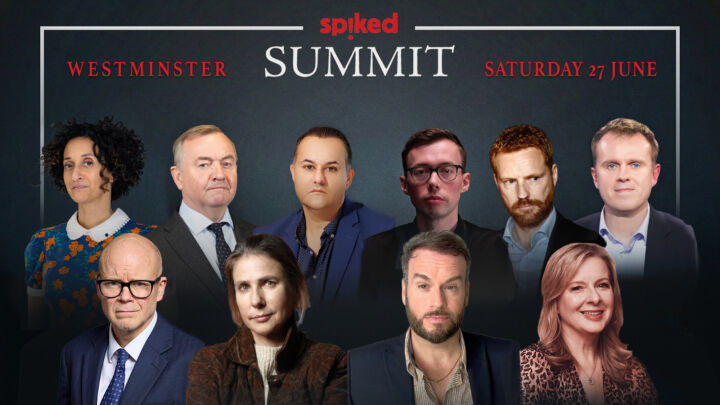
spiked summit 2026
10am-5pm, Saturday 27 June
Emmanuel Centre, London, SW1P 3DW
With Lionel Shriver, Brendan O'Neill, Katharine Birbalsingh, Toby Young, Allison Pearson, Paul Embery, Tom Slater, Andrew Doyle, Fiyaz Mughal and more
Become a spiked supporter to get a discounted ticket
£80 or £50 for supporters
You’ve hit your monthly free article limit.
Support spiked and get unlimited access.
Support spiked and get unlimited access
spiked is funded by readers like you. Only 0.1% of regular readers currently support us. If just 1% did, we could grow our team and step up the fight for free speech and democracy.
Become a spiked supporter and enjoy unlimited, ad-free access, bonus content and exclusive events – while helping to keep independent journalism alive.
Monthly support makes the biggest difference. Thank you.



Comments
Want to join the conversation?
Only spiked supporters and patrons, who donate regularly to us, can comment on our articles.