There is nothing ‘pro-choice’ about assisted dying
Assisted-suicide activists have co-opted the language of ‘autonomy’ and ‘rights’ to promote their grim vision.
Read our latest coverage of the French riots here – paywall-free all of this week..
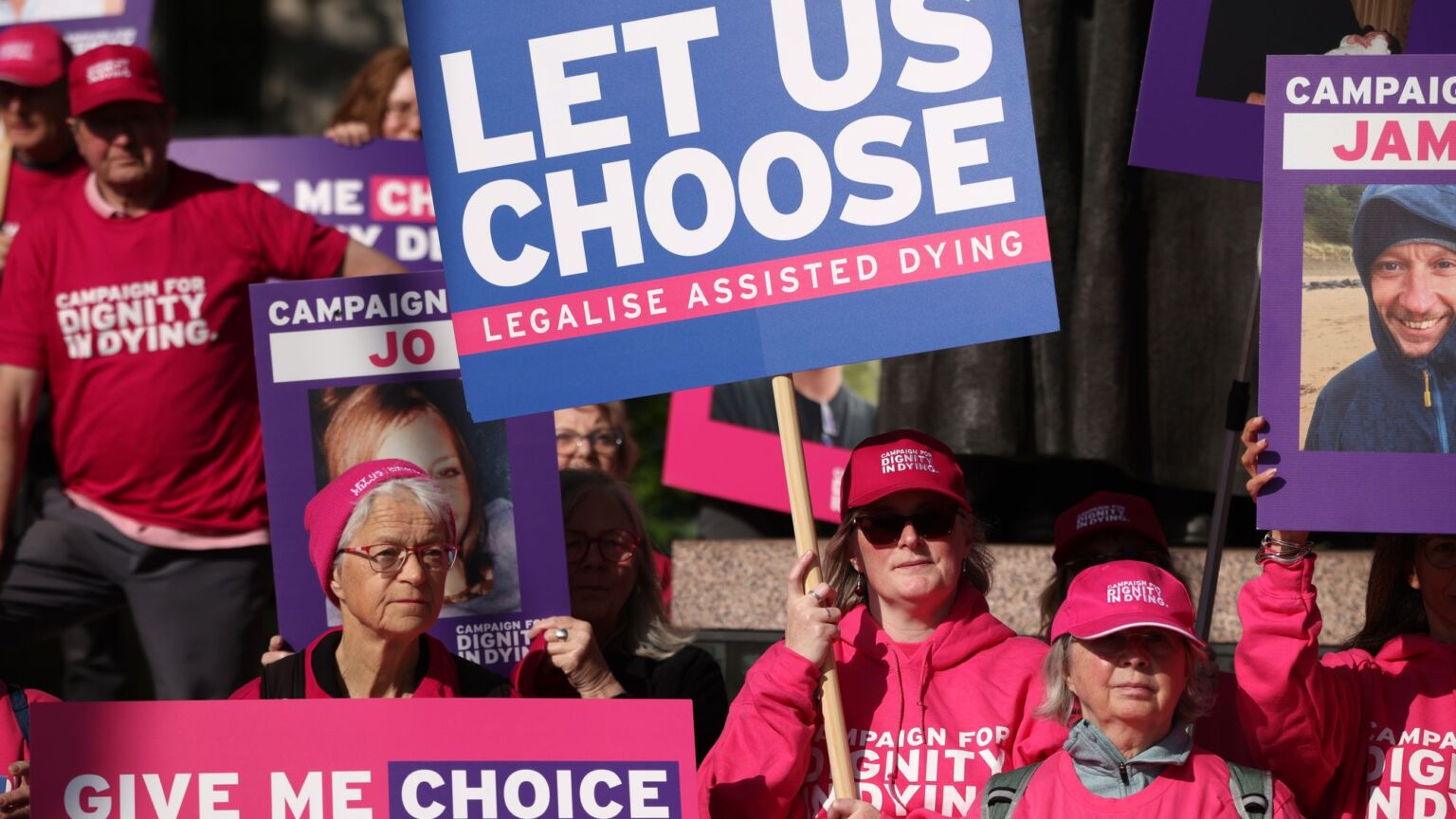
Assisted-dying campaigners are still raging at the failure of their sixth attempt to introduce assisted suicide since 2003. After nearly a hundred hours of gruelling and emotional debate, Kim Leadbeater’s Terminally Ill Adults (End of Life) Bill thankfully ran out of time when the Labour government’s first parliamentary session came to an end earlier this month.
Accusing peers of blocking the democratic process and damaging the reputation of the upper chamber, supporters of the bill are on manoeuvres to bring the bill back. Activists insist that this legislation is a matter of compassion, and they have co-opted pro-choice language to make their case. Assisted dying, they claim, offers ‘choice at the end of life’. Opponents, therefore, are ‘anti-choice’. Thus, abortion and assisted suicide have been pitched together as a package that lawmakers on the ‘right side of history’ must support. As separate legislation on both of these issues unfortunately coincided earlier this year in the parliamentary schedule, campaigners have deliberately conflated the two.
Like many feminists, I am relieved that abortion has finally been decriminalised. Contrary to misinformation from pro-lifers, abortion up to birth is still illegal in England and Wales. The 24-week limit has not changed, and providing assistance with the termination of a normal pregnancy after that point remains a crime. What is new is that women will no longer be investigated and prosecuted, or indeed imprisoned, for ending their own pregnancies – a situation that accounts for a tiny number of tragic and dangerous late-stage DIY abortions every year. In the same way that the legalisation of suicide did not drive up the number of people taking their own lives, this development is highly unlikely to increase the number of women performing risky late-stage abortions.
Autonomy is a fundamental principle. But the problem with state-assisted suicide is that, for many people who are terminally ill, the decision may not be truly autonomous. The initial shock of a devastating diagnosis could cloud your judgement – perhaps so much so that an irreversible and fatal decision could be made. Pressure from family or healthcare professionals – sometimes explicit, though often silent and no less real – could very well lead to unnecessary and premature deaths. An elderly mother who overhears her exhausted children complain about the strain of caring for her, or who despairs about draining the family savings, might feel she ought to ‘choose’ to die for the sake of her loved ones. When such a major decision is limited by a lack of access to meaningful alternatives, it cannot be a real choice at all.
If an assisted-dying bill had passed, safeguarding would have been impossible to ensure. Laws can criminalise coercion (in the rare event it is discovered), require tick-box assessments and prescribe waiting periods. But there is no way to police the sighs, silences and subtle, private pressures from relatives or healthcare professionals, real or imagined. How can even the most conscientious doctor assess eligibility when their patient may conceal doubts to avoid conflict with people they love? While some people may genuinely want to end their lives irrespective of outside influence, there is no failsafe way to determine as much.
Such a law would also send the grim message to elderly, sick or disabled people that their lives are no longer valued by society. A state that provides assisted suicide signals that at least some people are better off dead. But the reality is that people who are suicidal need help to live, not to die – and having a serious medical condition must not change that.
If our goal is genuine dignity in dying, the real task must be to address the fears and fix the failures that drive demand for an assisted-dying bill. Fund hospices properly, expand and invest in palliative care, and provide more support for families caring for the dying. That is how we can show actual compassion, relieve suffering, and reduce fear as the end of life approaches.
Venice Allan is a campaigner for women’s rights.
spiked summit 2026 – SOLD OUT
Saturday 27 June 2026
10am-6pm, Saturday 27 June
Emmanuel Centre, London, SW1P 3DW
With Lionel Shriver, Brendan O’Neill, Katharine Birbalsingh, Toby Young, Allison Pearson, Paul Embery, Tom Slater, Andrew Doyle, Fiyaz Mughal and more
The spiked summit has now SOLD OUT. To join the waitlist, email:
[email protected]
£80 or £50 for supporters
You’ve hit your monthly free article limit.
Support spiked and get unlimited access.
Support spiked and get unlimited access
spiked is funded by readers like you. Only 0.1% of regular readers currently support us. If just 1% did, we could grow our team and step up the fight for free speech and democracy.
Become a spiked supporter and enjoy unlimited, ad-free access, bonus content and exclusive events – while helping to keep independent journalism alive.
Monthly support makes the biggest difference. Thank you.





Comments
Want to join the conversation?
Only spiked supporters and patrons, who donate regularly to us, can comment on our articles.