If Kanye can be banned from Britain, why not Islamist extremists?
Hamas operatives, Islamic hate preachers and ayatollah fanboys have been welcomed with open arms.
Want unlimited, ad-free access? Become a spiked supporter.
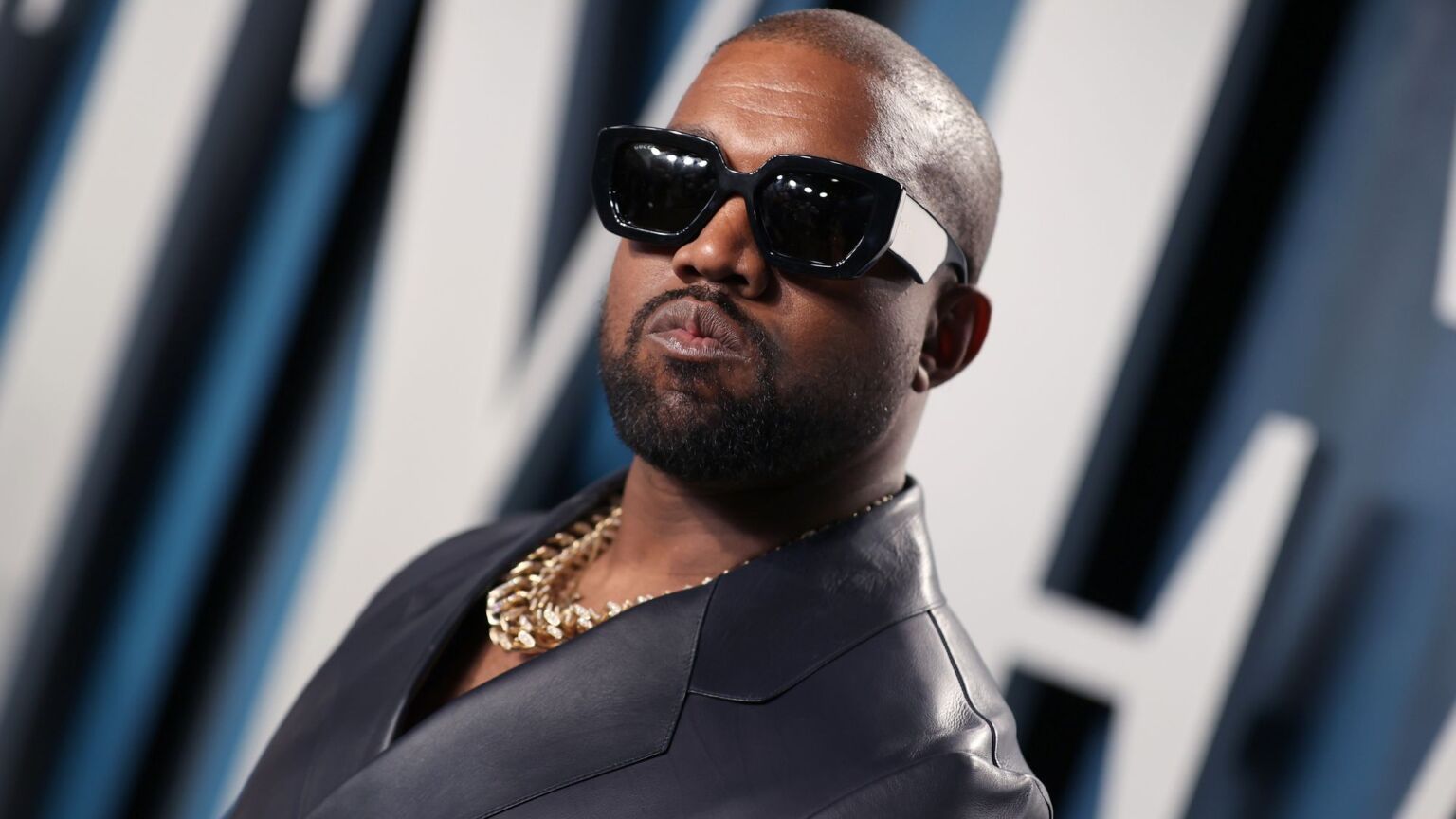
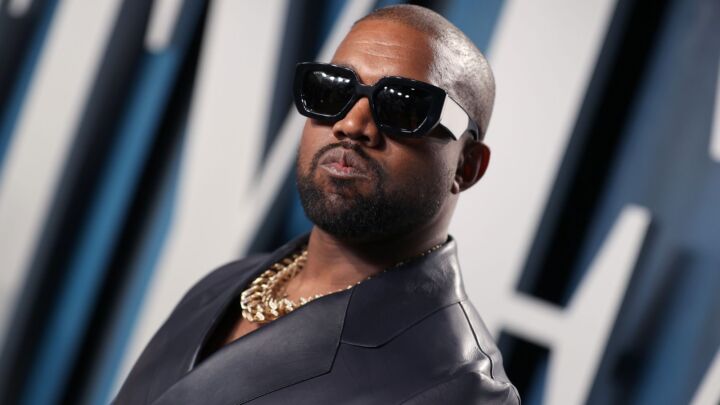
UK home secretary Shabana Mahmood has banned Ye, the rapper formerly known as Kanye West, from Britain, revoking his electronic travel authorisation and declaring his presence ‘not conducive to the public good’. The Wireless Festival he was due to headline this summer has been cancelled.
This is an extraordinary step. The most immediate question it raises is: if the government can bar Kanye West, then why on Earth does it not bar figures who pose a far more direct threat to the UK?
Why not Hasan Ali al-Taraiki, the London-based Bahraini cleric who has attended conferences with senior figures of Hamas and Hezbollah? Taraiki is also a member of the ‘International Union of Resistance Scholars’, an organisation closely aligned with Iran.
Or Muhammad Sawalha? Sawalha was a senior Hamas operative who ran the group’s terrorist operations in the West Bank, yet he has for years lived comfortably in a north London council house after escaping to Britain in the 1990s. American Treasury officials, who have sanctioned Sawalha, have alleged that he continued to work for Hamas and laundered money to support its terrorism after his arrival in the UK.
And how about Zaher Birawi? In January, Birawi was subjected to American sanctions over his ‘secret ties’ with Hamas. He held a leadership role with the Popular Conference for Palestinians Abroad, which is considered to be a front organisation for Hamas.
These are not under-medicated rappers. These are individuals with documented or alleged connections to Hamas – a proscribed terrorist organisation responsible for indiscriminate rape, murder, torture, mutilation and hostage-taking on 7 October 2023.
This is the real test for Mahmood. The Kanye ban was easy: it costs nothing politically, wins plaudits from the Jewish community and the commentariat, and prevents another potentially embarrassing incident at a summer festival. Applying the same ‘not conducive to the public good’ test to the preachers, fundraisers and Hamas-linked activists is harder. It requires confronting the networks that successive governments – Tory and now Labour – have too often tiptoed around in the name of ‘community relations’ or ‘human rights’.

Kanye West’s outbursts are grotesque. But the activities of Taraiki, Sawalha and Birawi are far more serious. If the home secretary believes it’s justified to ban the former, she cannot credibly ignore the latter.
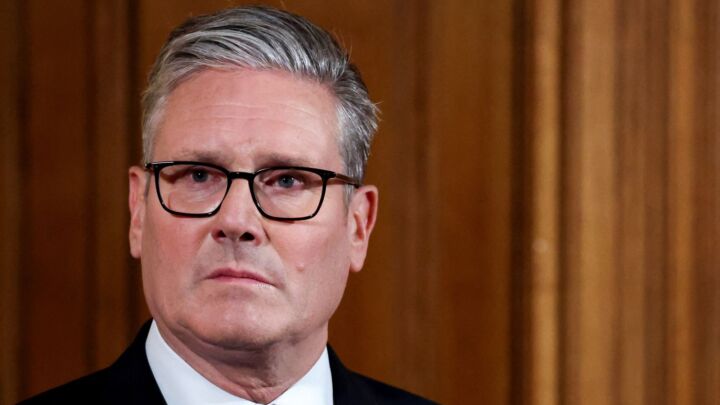
Shabana Mahmood has shown she is prepared to use the powers at her disposal. But time will tell if she is prepared to use them against foreign nationals whose presence really does threaten the public good – and not just when it makes for an easy press release.
Emma Schubart is a research fellow at the Henry Jackson Society.
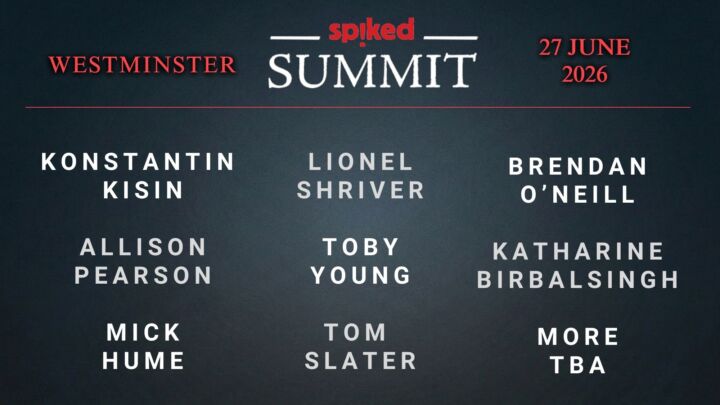
spiked summit 2026
10am-5pm, Saturday 27 June
Emmanuel Centre, London, SW1P 3DW
With Konstantin Kisin, Lionel Shriver, Brendan O'Neill, Katharine Birbalsingh, Toby Young, Allison Pearson, Tom Slater and more
Become a spiked supporter to get a discounted ticket
£80 or £50 for supporters
You’ve hit your monthly free article limit.
Support spiked and get unlimited access.
Support spiked and get unlimited access
spiked is funded by readers like you. Only 0.1% of regular readers currently support us. If just 1% did, we could grow our team and step up the fight for free speech and democracy.
Become a spiked supporter and enjoy unlimited, ad-free access, bonus content and exclusive events – while helping to keep independent journalism alive.
Monthly support makes the biggest difference. Thank you.

Comments
Want to join the conversation?
Only spiked supporters and patrons, who donate regularly to us, can comment on our articles.