Britain’s energy nightmare is of our own elites’ making
The Iran War oil shock must bring an end to decades of national self-harm.

Want unlimited, ad-free access? Become a spiked supporter.
For the second time in four years, Britain is staring down the barrel of a major energy crisis. Since America and Israel began bombarding Iran, the prices of oil and gas have soared across the world, and Britain is especially exposed. This week, even as talk of a potential ceasefire has calmed the markets somewhat, global oil prices remain 45 per cent higher than before the war began, and 60 per cent up on the start of the year. Whatever happens next between Trump and the ayatollahs, whether the US ‘unleashes hell’ or ceases fire, the UK is in for a very rough ride.
The outlook is beyond bleak. The typical household energy bill in the UK is expected to climb by 20 per cent in July, when a new energy price cap comes into effect. Industry is already feeling the strain, with input prices for British factories surging at the fastest pace since the Black Wednesday market crash in 1992 – thanks to the soaring costs of energy, transport and oil- and gas-derived products. Investment bank Morgan Stanley has warned of a ‘pronounced recession’ later in the year.
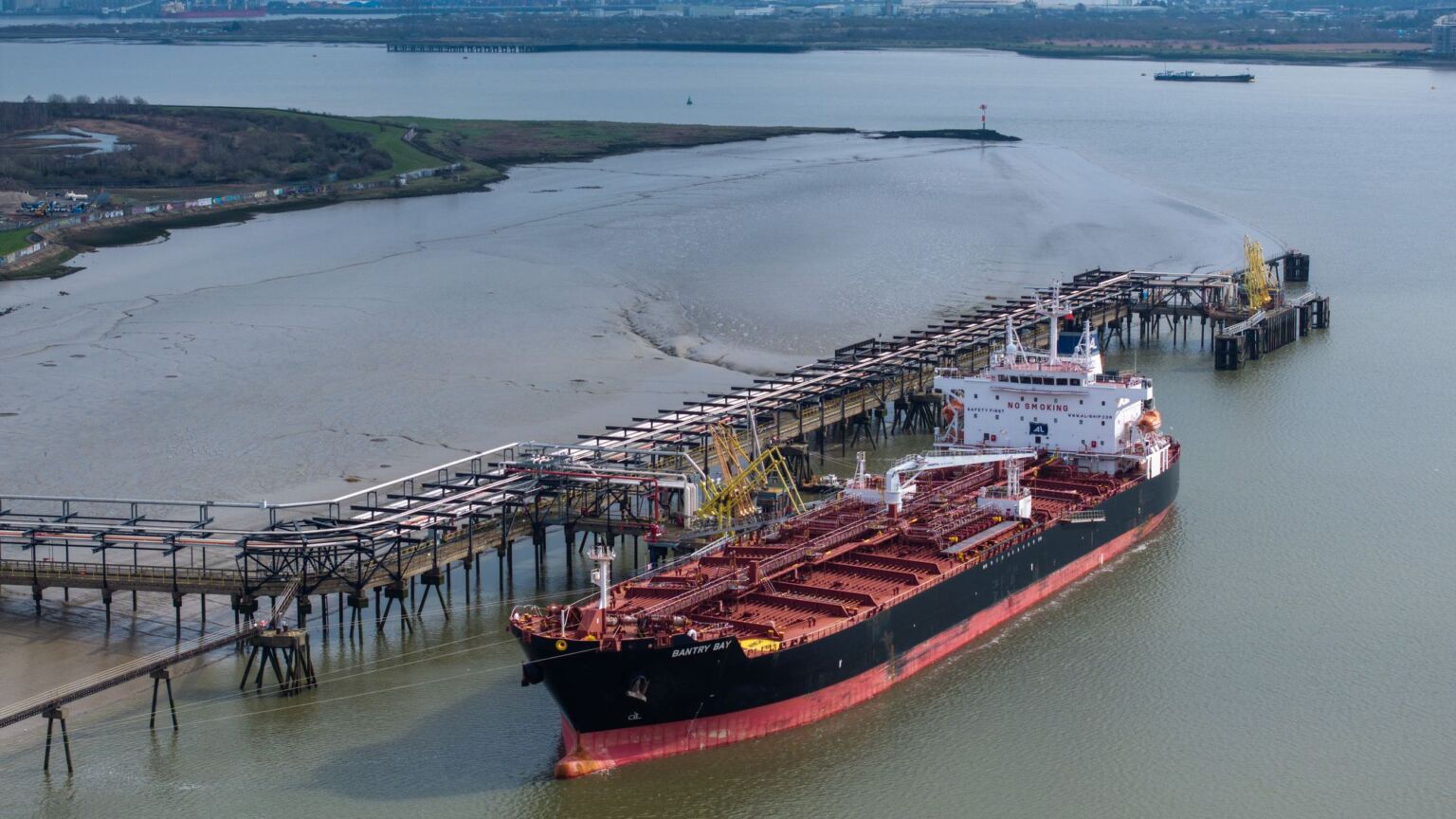
Of course, there is no scenario in which modern Britain could have been immune from such seismic events in the Middle East. Iran has effectively closed the Strait of Hormuz, through which 20 per cent of the world’s oil flows. For every day the strait is closed, more barrels of oil are being taken out of circulation than in the 1973 and 1979 oil crises combined. Added to that has been the Islamic Republic’s attacks on LNG (liquified natural gas) facilities across the Gulf. Iranian strikes on Qatar’s Ras Laffan gas facility have wiped out 17 per cent of Qatari LNG exports. All in all, the Iran War has prompted what the International Energy Agency considers to be the single ‘largest supply disruption’ to the world’s energy supplies in history.
So no, Britain was never going to escape the headwinds of this crisis. But it could have been far better prepared for weathering the storm. It could – and should – have learned at least some lessons from the last energy-price crisis in 2022, when Russia’s invasion of Ukraine sent gas prices soaring. Not least as Britain is blessed with abundant oil and gas reserves of its own, in both the North Sea and as frackable shale gas beneath the ground. Yet unless Keir Starmer and his energy secretary, Ed Miliband, radically change course on decades of perverse policies, the UK is only set to become even more vulnerable to future external shocks beyond our control.
The Labour government insists the crisis underlines the need for Britain to ‘get off’ oil and gas, and switch to ‘clean power’. According to Miliband, fossil fuels cannot be produced domestically at scale. And even if they could, he claims, we would still be prisoners of a volatile global energy market.
The energy secretary is wrong on all fronts. Catastrophically so. As a new report by Offshore Energy UK (OEUK) confirms, North Sea oil and gas drilling has indeed fallen sharply in recent years. But this has been driven by government policy, not the supplies in reserve beneath the sea. Miliband’s ban on new North Sea oil exploration, and his continuation of the Tories’ windfall tax on the sector, are by far the greatest constraint on domestic drilling. As a result, according to OEUK, imports of LNG – which currently account for 14 per cent of the UK gas supply – are set to soar to 46 per cent by 2035. Under Miliband’s North Sea shutdown, Britain will become more dependent on suppliers like Qatar, and thus more vulnerable to external energy shocks.
And what might domestic protection mean for the price of energy? While nobody expects reopening the North Sea to instantly rescue the UK from the current price hikes, more domestic drilling could indeed lower costs in the long run. Miliband’s insistence that prices are set ‘internationally’, and so domestic production would ‘not take a penny off energy bills’, is straightforwardly untrue. If prices really were set globally, the UK would not be paying six times more for gas than energy-rich America.

It is, however, true that Britain buys and sells gas on a European market, but this doesn’t mean exploiting the North Sea would be a fruitless endeavour. For one thing, more domestic production would mean fewer LNG imports – avoiding the costs of liquefaction, shipping and regasification that shipping gas around the world entails. This is also why it is unlikely that all new oil and gas produced in the UK would simply be sold abroad, as foreign markets pay a premium for transport costs. In any case, as energy expert Dieter Helm explains, there is no reason why, with enough ‘imagination’, the UK government could not secure favourable treatment from North Sea firms as a condition for granting new drilling licences.
Even if Miliband were somehow correct, that any new oil and gas would immediately leave the country, keeping the North Sea alive would still be a no-brainer. It would provide billions in tax revenue at a time of fiscal crisis. It would vastly improve the balance of payments, at a time when Britain is importing far more goods and services than it exports. And it would keep alive an industry that supports hundreds of thousands of mostly well-paid, unionised jobs. There is simply no rational, let alone progressive, argument for throttling the North Sea.
For the past decade or so, the big bet made by the establishment has been that renewables can replace energy derived from fossil fuels. Wind and solar, they claim, are not only cheaper, but offer more security of supply, too. Again, these are sheer delusions. The only time British consumers have ever paid less for wind power than for gas was when the gas price went into the stratosphere at the start of the Ukraine war. After 2030, should Miliband hit his target for a ‘clean-powered’, renewables-heavy grid, energy supplier Centrica expects prices to be higher than at the peak of the Ukraine energy crisis. Britain is set to exit what Miliband calls the ‘rollercoaster of fossil fuels’, only to lock in crisis-level energy costs in the longer run.
As well as being exorbitantly expensive, renewables are inherently insecure. Wind and solar are intermittent sources, as they can only provide electricity when the wind blows and the Sun shines. When the weather is unfavourable, gas needs to be purchased (at an inflated price) as a backup, or there is a risk of blackouts. What’s more, renewables can’t even mitigate against geopolitical risks. Several large offshore wind projects are facing delays, as components made in the United Arab Emirates are also stuck behind the blockade of the Strait of Hormuz.

Britain’s energy policies are nothing short of suicidal. Blinded by Net Zero zealotry, Miliband and his predecessors have made our energy supplies more costly, less secure and more reliant on foreign imports. The result is an almost permanent energy crisis that will long outlast the current conflict in the Middle East. If the economic pain of the next few months doesn’t change the establishment’s thinking then perhaps nothing ever will. It will confirm, beyond any shadow of a doubt, that our current trajectory of deindustrialisation and decline will have been actively chosen by our rulers.
Fraser Myers is deputy editor at spiked and host of the spiked podcast. Follow him on X: @FraserMyers.

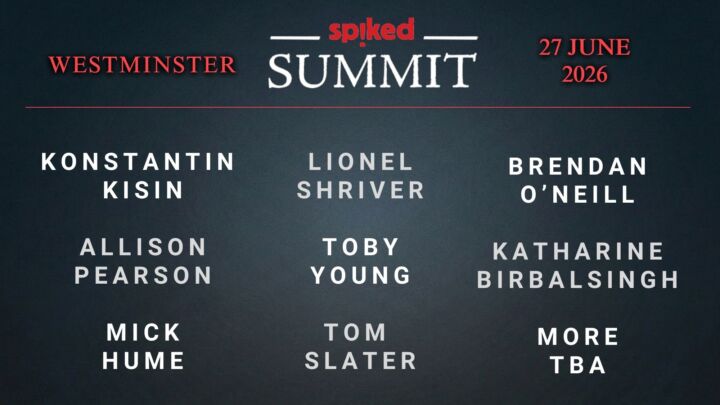
spiked summit 2026
10am-5pm, Saturday 27 June
Emmanuel Centre, London, SW1P 3DW
With Konstantin Kisin, Lionel Shriver, Brendan O'Neill, Katharine Birbalsingh, Toby Young, Allison Pearson, Tom Slater and more
Become a spiked supporter to get a discounted ticket
£80 or £50 for supporters
You’ve hit your monthly free article limit.
Support spiked and get unlimited access.
Support spiked and get unlimited access
spiked is funded by readers like you. Only 0.1% of regular readers currently support us. If just 1% did, we could grow our team and step up the fight for free speech and democracy.
Become a spiked supporter and enjoy unlimited, ad-free access, bonus content and exclusive events – while helping to keep independent journalism alive.
Monthly support makes the biggest difference. Thank you.







Comments
Want to join the conversation?
Only spiked supporters and patrons, who donate regularly to us, can comment on our articles.