Why is Labour so eager to give Muslims special treatment?
The new ‘anti-Muslim hostility’ definition is an insult to those of all other faiths and none.
Want unlimited, ad-free access? Become a spiked supporter.
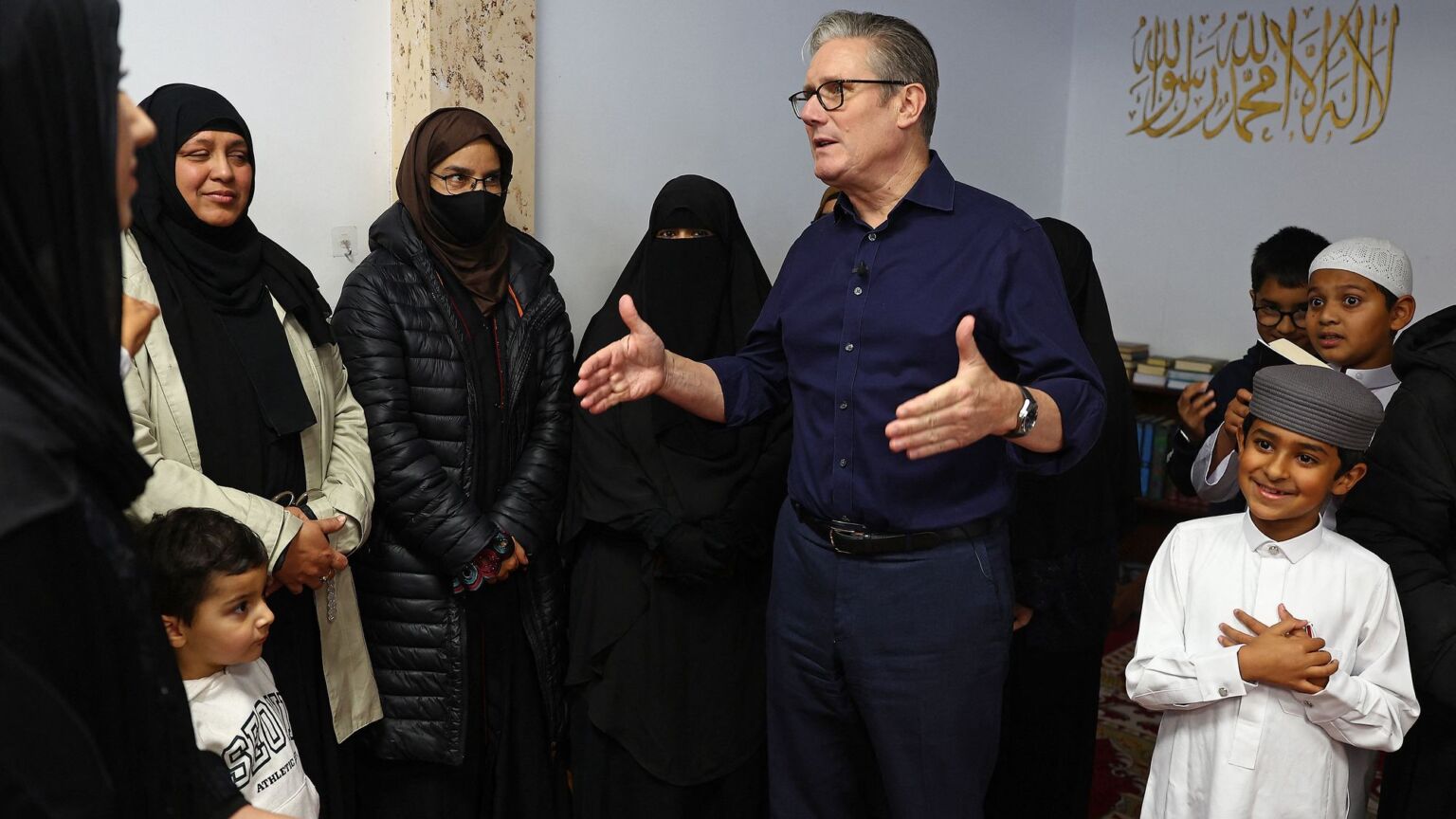
The UK’s Labour government announced its definition of ‘anti-Muslim hostility’ earlier this month – a long-anticipated move, informed by the advice of an opaque working group, and designed to protect followers of Islam from something vaguely described as ‘hostility’. Alongside the definition, the government also announced plans to appoint a new ‘anti-Muslim hostility tsar’.
Labour’s move is as cynical as it is predictable. It mooted the introduction of a contentious new definition of ‘Islamophobia’ in the run-up to the 2024 General Election. These proposals came in for heavy criticism. The threat they posed to free speech was all too obvious. And so the definition of ‘Islamophobia’ was parked, until it was revived recently under the new guise of ‘anti-Muslim hostility’. That it has arrived now is largely down to Labour’s defeat last month in the Gorton and Denton by-election, where the victorious Green Party hoovered up the traditionally Labour-leaning Muslim vote. Keir Starmer et al have clearly decided that, if their party is to have any future in certain seats, they need to appeal to Muslim voters and fast.
Ministers have tried to reassure the public that the new definition does not grant Muslims ‘preferential treatment’. But who are they kidding? Singling out one religious group for unique protections is a clear sign it’s being treated preferentially compared with other faiths.
One of the government’s most spurious arguments is that the new definition will also protect ‘those who have left Islam’, who might also suffer ‘anti-Muslim hostility’ because they ‘look Muslim’. This is a perplexing claim. Apostates do indeed suffer from hostility – but largely from other, more zealous Muslims, rather than from wider society. In some Islamic societies, they are killed because they have dared to leave the faith. Even in the UK, apostates are persecuted by Islamic hardliners, as shown by the harrowing cases of Nissar Hussain and Hatun Tash.
Both Hussain and Tash are ex-Muslims who have converted to Christianity. Hussain has endured years of persecution, much of it violent, which forced him to flee his native Bradford. Tash was stabbed and was even the target of a foiled murder plot, yet the police repeatedly arrested her at the behest of her tormentors. Perhaps the government would be better focussing its energies on tackling Islamic hardliners’ violent hostility to ex-Muslims.
The government’s willingness to give Muslims special protections strikes a particularly raw nerve among other ethnic and religious groups who face persecution in Britain. Earlier this month, approximately 20 Muslims attacked a large Hindu celebration in Harrow, north London. And this was not a one-off event. If the government actually believed what it has been saying about wanting to treat all minority groups equally, Hindus would be well within their rights to lobby for a new definition of ‘anti-Hindu hostility’.
Then there is the threat this new definition poses to freedom of speech. Part of the problem here is the vagueness of the word ‘hostility’. Given there is no legal definition of ‘hostility’, we may well have to use the dictionary meaning, which defines it as ‘ill-will, spite, contempt, prejudice, unfriendliness, antagonism, resentment and dislike’. In other words, ‘hostility’ can be interpreted to mean just about any disagreement with Islam, its practices and even its more extreme expressions.

It’s therefore difficult not to suspect that insulating one faith from criticism could lead to a backdoor blasphemy law. Especially given that the government is encouraging every institution and organisation to adopt this definition. We can be certain that it will it make it difficult to talk about Pakistani-Muslim grooming gangs, female genital mutilation and Islamic extremism. The effect on free speech will be chilling.
Christopher Hitchens’s prophetic words about the calls to ban ‘Islamophobia’ – ‘resist it while you still can’ – apply equally to the idea of ‘anti-Muslim hostility’. If we don’t take a stand now against this threat to free speech, it may soon be too late.
Hardeep Singh is a writer based in London. Follow him on X: @singhtwo2.
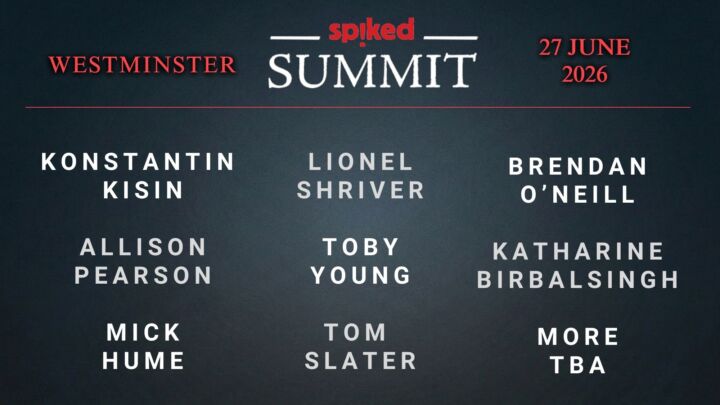
spiked summit 2026
10am-5pm, Saturday 27 June
Emmanuel Centre, London, SW1P 3DW
With Konstantin Kisin, Lionel Shriver, Brendan O'Neill, Katharine Birbalsingh, Toby Young, Allison Pearson, Tom Slater and more
Become a spiked supporter to get a discounted ticket
£80 or £50 for supporters
You’ve hit your monthly free article limit.
Support spiked and get unlimited access.
Support spiked and get unlimited access
spiked is funded by readers like you. Only 0.1% of regular readers currently support us. If just 1% did, we could grow our team and step up the fight for free speech and democracy.
Become a spiked supporter and enjoy unlimited, ad-free access, bonus content and exclusive events – while helping to keep independent journalism alive.
Monthly support makes the biggest difference. Thank you.


Comments
Want to join the conversation?
Only spiked supporters and patrons, who donate regularly to us, can comment on our articles.