Fossil fuels are the stuff of life
The Iran War is a stark reminder of how much our civilisation relies on oil and gas.
Want unlimited, ad-free access? Become a spiked supporter.
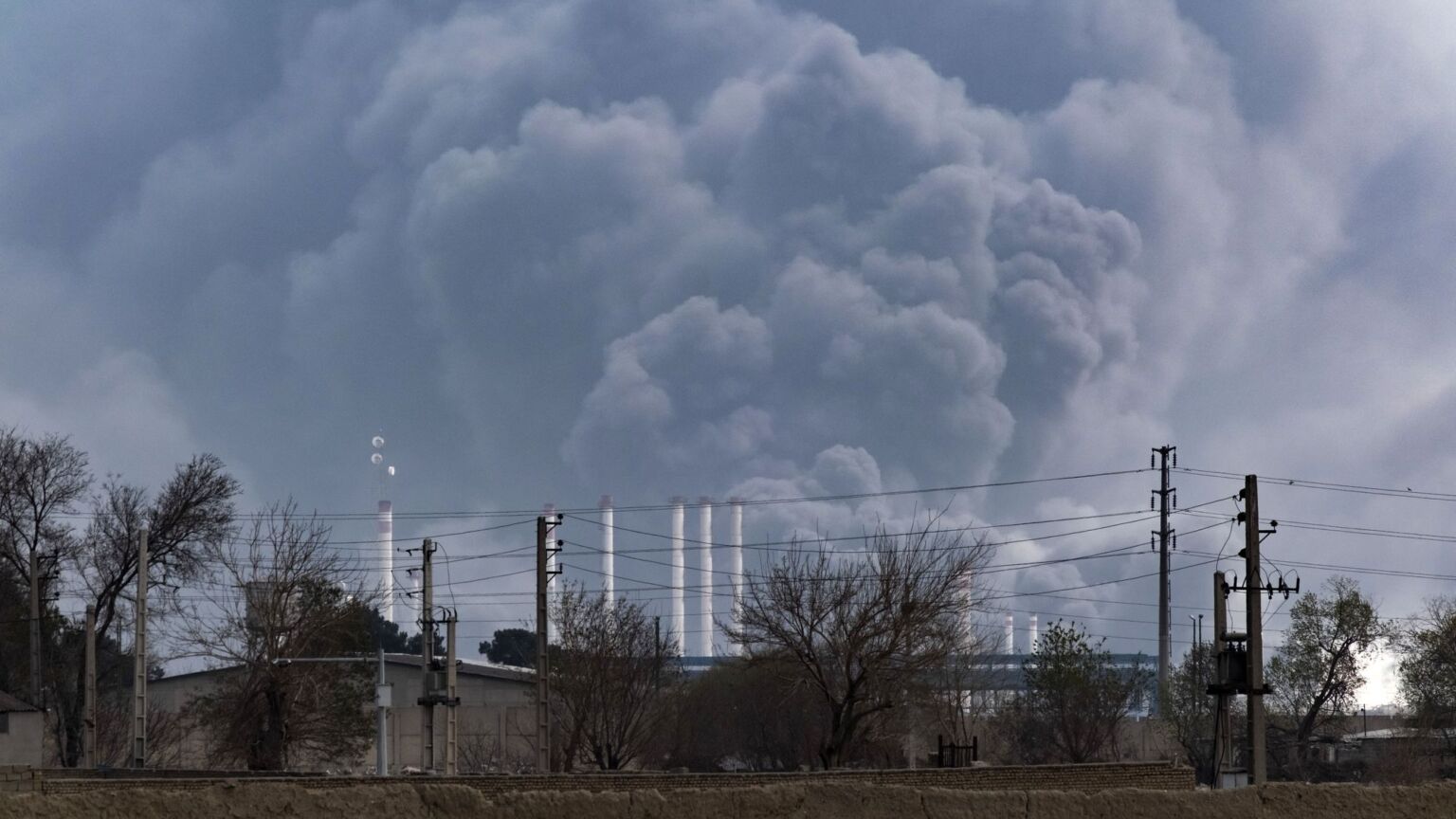
All manner of insults have been hurled at oil and gas in recent decades. Supposedly, it is ‘dirty’, ‘unsustainable’ and, we have been increasingly told, ‘irrelevant’. The war in Iran shows that there was a word missing in the environmentalists’ lexicon: ‘essential’. Last night’s strikes on the South Pars gas field in Iran and Qatar’s Ras Laffan liquified natural gas plant have sent prices soaring. This has compounded a crisis that was already underway, thanks to the closure of the Strait of Hormuz, through which a fifth of the world’s oil flows. While environmentalists like to claim that this shows the folly of our reliance on oil and gas, really it ought to remind us how important fossil fuels are in keeping civilisation afloat.
Oil and gas aren’t just essential to our energy needs. They are also a critical ingredient in everyday medication, much of which is life-saving. Our Net Zero-loving MPs might have forgotten this, but fortunately, doctors and pharmacists have not. This week, the Independent Pharmacies Association reminded UK health secretary Wes Streeting, that ‘many common drugs’ – including paracetamol, aspirin and antibiotics – ‘rely on petroleum-based ingredients as well as other raw materials sourced from the Middle East and beyond’. Dr Layla Hanbeck, the organisation’s chief executive, called for urgent stockpiling, and said that supply-chain disruptions from the Iran war would impact ‘essential treatments that millions rely on daily’.
Hanbeck is right. Today’s medicines rely on the carbon-based chemistry that defines fossil fuels. Benzene and toluene form precursors for painkillers, anaesthetics and antibiotics. Methanol, ethanol and acetone are vital to drug purification and formulation. Polymers derived from petrochemicals are used in drug-delivery technologies. And so on.
What about medical equipment? Petrochemicals are the feedstock for polypropylene, polyethylene and polyvinyl chloride. As cheap, light, strong and easily sterilised plastics, these are widely used in medical devices and accessories – including disposable syringes and needles, catheters, intravenous tubing, blood bags, membranes for dialysis and implants. On top of this, carbon fibre is used to build imaging equipment such as MRI machines, CT scanners and X-ray machines. It is in surgical instruments, wheelchairs and prosthetics. Also dependent on carbon fibre are blister packs, bottles for pills, sterile packaging film and tamper-proof seals that protect drugs from contamination and degradation.
Much of this is old hat. Yet we are continually making new discoveries about how vital fossil fuels are to medicine. Just this week, it was reported that recycling that plastic – another hated by-product of fossil fuels – could break down waste bottles into Levodopa, the main drug used to help the 160,000 Brits who suffer from Parkinson’s disease.
All these boons for health come from dirty – nay, evil! – fossil fuels. So evil, in fact, that energy secretary Ed Miliband believes the UK should make it nigh-on impossible for oil and gas to be extracted from the North Sea. Miliband might believe that he is on a heaven-sent mission to decarbonise Britain, but it is a quest that could soon create a hell for everyone who relies on medication to stay healthy, or indeed alive.
It isn’t just medicine and fuel that rely on fossil fuels, either. In agriculture, petrochemicals are key to fertilisers, pesticides and overall mechanisation. Fertilisers for crops, such as wheat, rice, and maize, are made with natural gas and coal. Also derived from fossil fuels are herbicides, insecticides and fungicides. And tractors, pumps and pipes for irrigation, crop storage systems and food packaging all rely on fossil fuels – either to make them or to power them, or both.

The ongoing war waged on fossil fuels by the UK’s political establishment doesn’t only defy logic. It defies humanity, too. If ever there was a time to rethink our blind rush to a Net Zero future, this is it. In the meantime, let’s hear it for carbon. It’s about time the stigma was removed from fossil fuels. Without them, we’d mostly be dead.
James Woudhuysen is visiting professor of forecasting and innovation at London South Bank University. Follow him on X: @jameswoudhuysen.

spiked summit 2026
10am-5pm, Saturday 27 June
Emmanuel Centre, London, SW1P 3DW
With Konstantin Kisin, Lionel Shriver, Brendan O'Neill, Katharine Birbalsingh, Toby Young, Allison Pearson, Tom Slater and more
Become a spiked supporter to get a discounted ticket
£80 or £50 for supporters
You’ve hit your monthly free article limit.
Support spiked and get unlimited access.
Support spiked and get unlimited access
spiked is funded by readers like you. Only 0.1% of regular readers currently support us. If just 1% did, we could grow our team and step up the fight for free speech and democracy.
Become a spiked supporter and enjoy unlimited, ad-free access, bonus content and exclusive events – while helping to keep independent journalism alive.
Monthly support makes the biggest difference. Thank you.







Comments
Want to join the conversation?
Only spiked supporters and patrons, who donate regularly to us, can comment on our articles.