Net Zero: a multi-trillion-pound catastrophe
Politicians of all stripes have been systematically dishonest about the true cost of the green transition.
Want unlimited, ad-free access? Become a spiked supporter.
For years, politicians have insisted that Net Zero will be cheap, even profitable. We were promised green growth, lower bills and a jobs bonanza – all delivered by the magic of innovation and falling costs of renewables.
The truth is that Net Zero is a dangerous economic gamble. A report released this month by the Institute of Economic Affairs, The Cost of Net Zero by David Turver, exposes just how risky, and expensive, it actually is.
‘Since 2019’, Turver writes, ‘there have been many attempts to put a cost on Net Zero’. He cites, among others, the estimates of former Conservative treasurer Philip Hammond in 2019 (£2.1 trillion), the National Energy System Operator in 2020 (£3 trillion) and the Office of Budget Responsibility last year (£803 billion). No matter what the ‘scope, approach [or] assumptions’ involved, writes Turver, ‘it is clear that achieving Net Zero will require massive investment with uncertain returns’.
But none of these accurately reflect the true cost of Net Zero. Looking past the ‘heroic estimates’ and the accounting ‘sleight of hand’, the cost of decarbonising Britain turns out to be vastly more than the population has been led to believe. Ultimately, Turver writes, the true cost could be as high as £9 trillion – or up to £250,000 per British household.
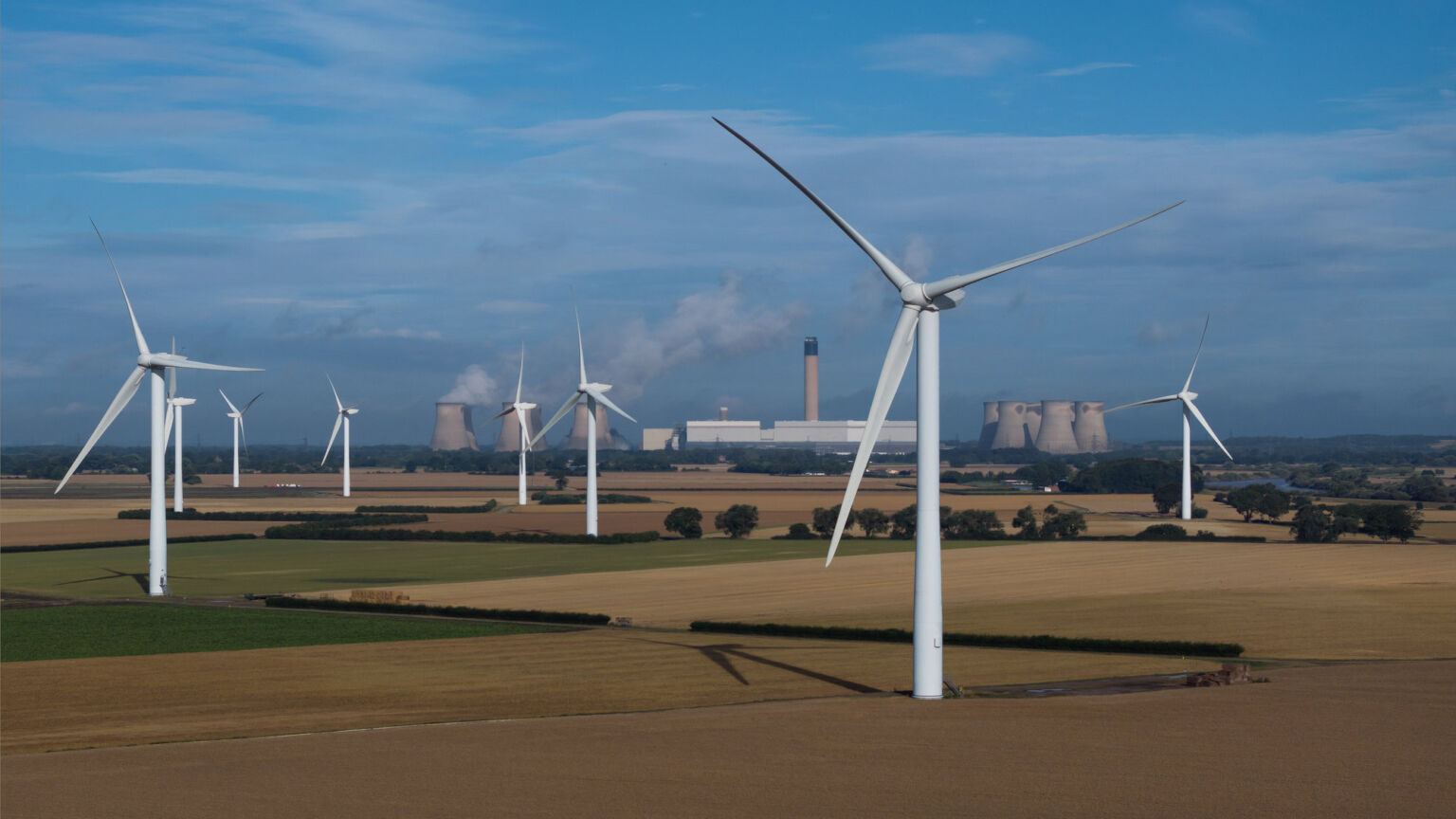
The central problem with Net Zero is the intermittency of green energy. Britain is attempting to replace a reliable energy system, based on fossil fuels and nuclear, with one that is entirely dependent on the weather. Wind and solar can be cheap at the point of generation, but they are unreliable without vast amounts of backup, storage and grid reinforcement. Turver shows that when these system-wide costs are included, the price of energy soars.
Take electricity, which despite being the focus of the national debate, only makes up 20 per cent of Britain’s total energy use. A Net Zero-compatible electricity system must cope with periods of low wind and poor sunlight, which, in Britain, happens to occur for much of the year. Batteries can smooth out fluctuations over hours, but they cannot cover weeks of calm, cold weather. The alternative is maintaining gas-fired power stations as backup – but running them infrequently makes them vastly more expensive. Consumers end up paying twice: once for renewables, and again to keep fossil fuel back-up generation running.
Then there is electrification. Net Zero assumes that heating, transport and industry will all switch to electricity. That means heat pumps replacing boilers, electric vehicles replacing petrol and diesel engines, and new electric processes replacing tried-and-tested industrial methods, such as in steelmaking. Each step demands eye-watering investment in new networks, substations and generation capacity. Yet policymakers still hope that today’s grid can simply be ‘upgraded’ at minimal cost.

Households will feel this directly. Heat pumps are far more expensive to install than gas boilers, and often less effective, too. Electric cars are significantly pricier than petrol cars, especially once subsidies are stripped away. Even where government grants exist, they merely shift the cost from individual consumers to taxpayers. There is no free lunch – only hidden bills.
Industry faces even grimmer prospects. Energy-intensive sectors such as steel, chemicals and cement cannot switch to electricity without destroying their competitiveness. As energy prices rise, production will simply move abroad to countries with cheaper power and looser emissions constraints. Britain will congratulate itself on ‘cutting carbon’, while global emissions remain unchanged, or even increase.
The political class has been in denial about these facts for far too long. Successive governments have pushed costs into the future, off the state’s balance sheets and into obscure levies on bills. Net Zero targets stretch decades ahead, conveniently beyond the careers of the ministers setting them. Turver’s report cuts through this fog by asking a simple question: who pays? The answer, inevitably, is all of us.
The UK accounts for less than one per cent of global emissions, a figure that is falling. Even if Net Zero was achieved tomorrow, the impact on global temperatures would be negligible. What would be substantial is the damage to living standards, energy security and industrial capacity.

But the real scandal is not the cost – it’s the lack of honesty. Net Zero has been sold as inevitable and affordable. In reality, it is a conscious choice to prioritise fashionable dogma over living standards.
Those pushing for Net Zero should admit that it means higher bills, low economic growth and a permanent reliance on subsidies. That the UK will be colder, poorer and darker until something turns up that makes clean energy affordable for all. Until then, the project remains what it has always been: an elite fantasy, insulated from reality by slogans and wishful thinking, and paid for by the public.
Andy Mayer is chief operating officer, company secretary and energy analyst at the IEA.
You’ve hit your monthly free article limit.
Support spiked and get unlimited access.
Support spiked and get unlimited access
spiked is funded by readers like you. Only 0.1% of regular readers currently support us. If just 1% did, we could grow our team and step up the fight for free speech and democracy.
Become a spiked supporter and enjoy unlimited, ad-free access, bonus content and exclusive events – while helping to keep independent journalism alive.
Monthly support makes the biggest difference. Thank you.



Comments
Want to join the conversation?
Only spiked supporters and patrons, who donate regularly to us, can comment on our articles.