A return to Realpolitik? Get real
Both Trump and his European counterparts use the global stage to grandstand, not to further their nations’ interests.

Want unlimited, ad-free access? Become a spiked supporter.
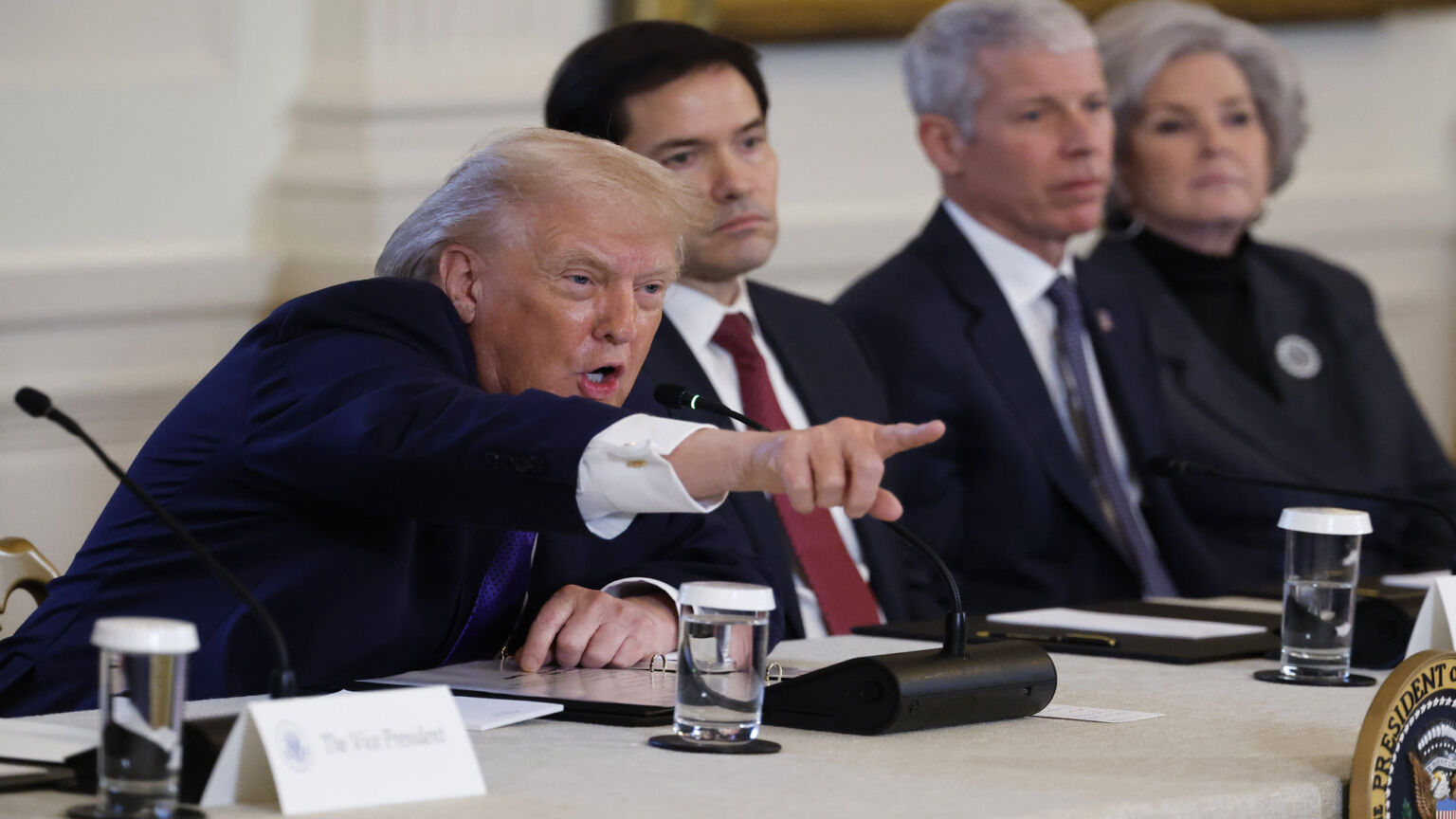
We’re constantly told that the world is entering a new phase of Realpolitik. This view has been reinforced by the Trump administration’s foreign-policy approach to Ukraine, the Middle East and now Latin America, not to mention the provocative statements made by members of Trump’s team about international affairs.
Take the brutally explicit statement made last week by Stephen Miller, Trump’s deputy chief of staff, on America’s designs on Greenland:
‘Nobody’s going to fight the United States militarily over the future of Greenland… We live in a world, in the real world… that is governed by strength, that is governed by force, that is governed by power. These are the iron laws of the world since the beginning of time.’
Miller is right that the ‘real world’ has always been ‘governed by strength’. But his ahistorical statements about unchanging realities of power throw very little light on the specific features of the contemporary era.
Moreover, such boasting of America’s ‘strength’, ‘force’ and ‘power’ shows a lack of understanding of how Realpolitik works. Otherwise, Miller would know of the importance of keeping one’s cards close to one’s chest.
It is important to note that Realpolitik has little to do with the worship of power. Think of Henry Kissinger, arguably one of the most consummate and amoral practitioners of Realpolitik during the Cold War era. Unlike Miller, Kissinger understood that there were limits to the projection of American power. He saw his role as resolving global conflict in such a way that would benefit Washington’s interests. He used America’s military and economic resources in order to achieve clear diplomatic and strategic objectives.
Kissinger’s approach was typical of Realpolitik as it was historically understood. The term itself was coined by German journalist Ludwig von Rochau in 1853, in the context of the national rivalries then developing. He had in mind the work of pragmatic diplomats like Austria’s Klemens von Metternich, who framed diplomacy as the ‘art of the possible’. Realpolitik, as it was then understood, rested on prioritising national interests and practical concerns over ideology and moral ideals. To an extent, it was counterposed to the unrestrained and ideologically driven approach to foreign affairs that emerged during the French Revolution and fuelled the Napoleonic Wars. In contrast, Metternich and his diplomatic colleagues emphasised cultivating alliances and making compromises.

Today, Realpolitik is often used in opposition to the foreign-policy framework associated with the post-Second World War ‘rules-based order’. According to numerous nostalgic accounts, the foreign policy of that era was based on ethical and moral aspirations. It is worth pointing out, however, that Western leaders were not averse to ignoring the very rules-based order they themselves had created. For example, NATO bombed Yugoslavia in 1999 without a United Nations Security Council mandate.
This rules-based, moralising critique of Realpolitik rests on a caricature of national interest-based diplomacy. Influential sections of today’s Western diplomatic establishment claim Realpolitik inevitably leads to conflict and wars, and that it’s immoral because it prioritises national interests over lofty ideals, such as saving the planet from environmental disaster or lifting up the global poor. In many instances, they denounce Realpolitik as deceitful.
Realpolitik works best when its objectives are limited and clear, and when it is firmly aligned with the interest of the nation. It requires clarity about a nation’s material capabilities, and its relationship to the prevailing balance of power. Such diplomacy requires a capacity to anticipate reactions from local, regional and geopolitical rivals. This capacity was palpably lacking among those who oversaw the Western interventions in Afghanistan, Libya and so on, where the blowback from local actors exposed the weakness of even nations as powerful as America.
Finally, to exercise Realpolitik effectively, a government must win public support for the pursuit of the national interest. Only then will Realpolitik be regarded as legitimate.
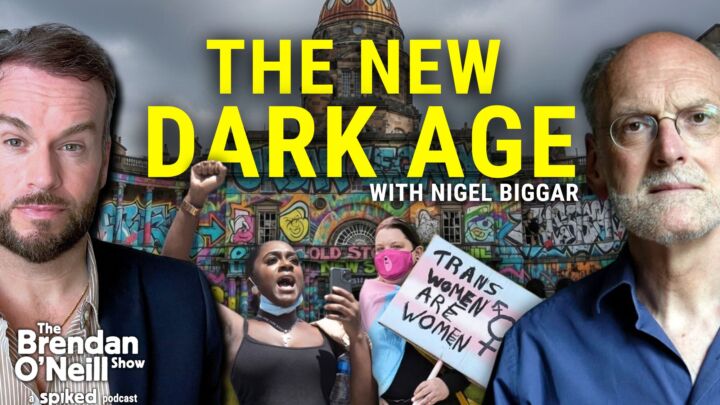
It should be clear by now that Realpolitik is conspicuous by its absence in the current era. Instead of serious diplomacy, we have public spectacles. Politicians use foreign policy, often at countless international conferences and summits, to play-act as world statesmen in front of the cameras. Instead of focussing on clearly defined objectives, their attention drifts quickly from Gaza to Greenland to Ukraine to saving the planet. Both the Trump administration and his European counterparts are just as guilty of this.
To be sure, Western leaders have become more ‘realist’ than they were just a couple of decades ago. They have abandoned their illusions of creating a conflict-free globalist world order. But the fact that they’ve dropped some of the magical thinking of the 1990s and 2000s does not mean that they now actually grasp what’s involved in the exercise of Realpolitik. The problem is that Western ruling elites have become so detached from everyday life in their societies that they struggle to provide a meaningful account of their nations’ interests.
In contrast to historical moments when Realpolitik was effectively promoted, our ruling classes today lack the moral clarity, the web of meaning, to develop a sense of strategic vision. Power is not simply about the possession of weapons and a large military force. That is why Ancient Roman society made a distinction between military and moral power. The Romans understood that without moral clarity, Rome would be left very vulnerable. In the end, it was the moral disorientation of Rome, and not the military power of its enemies, that led to the demise of this civilisation.
Tragically, the lessons of Rome have not been learned by the morally illiterate leaders of the Western world.
Frank Furedi is the executive director of the think-tank, MCC-Brussels.
You’ve hit your monthly free article limit.
Support spiked and get unlimited access.
Support spiked and get unlimited access
spiked is funded by readers like you. Only 0.1% of regular readers currently support us. If just 1% did, we could grow our team and step up the fight for free speech and democracy.
Become a spiked supporter and enjoy unlimited, ad-free access, bonus content and exclusive events – while helping to keep independent journalism alive.
Monthly support makes the biggest difference. Thank you.



Comments
Want to join the conversation?
Only spiked supporters and patrons, who donate regularly to us, can comment on our articles.