Is this the end of the non-crime hate incident?
This authoritarian farce might finally be over.

Want unlimited, ad-free access? Become a spiked supporter.
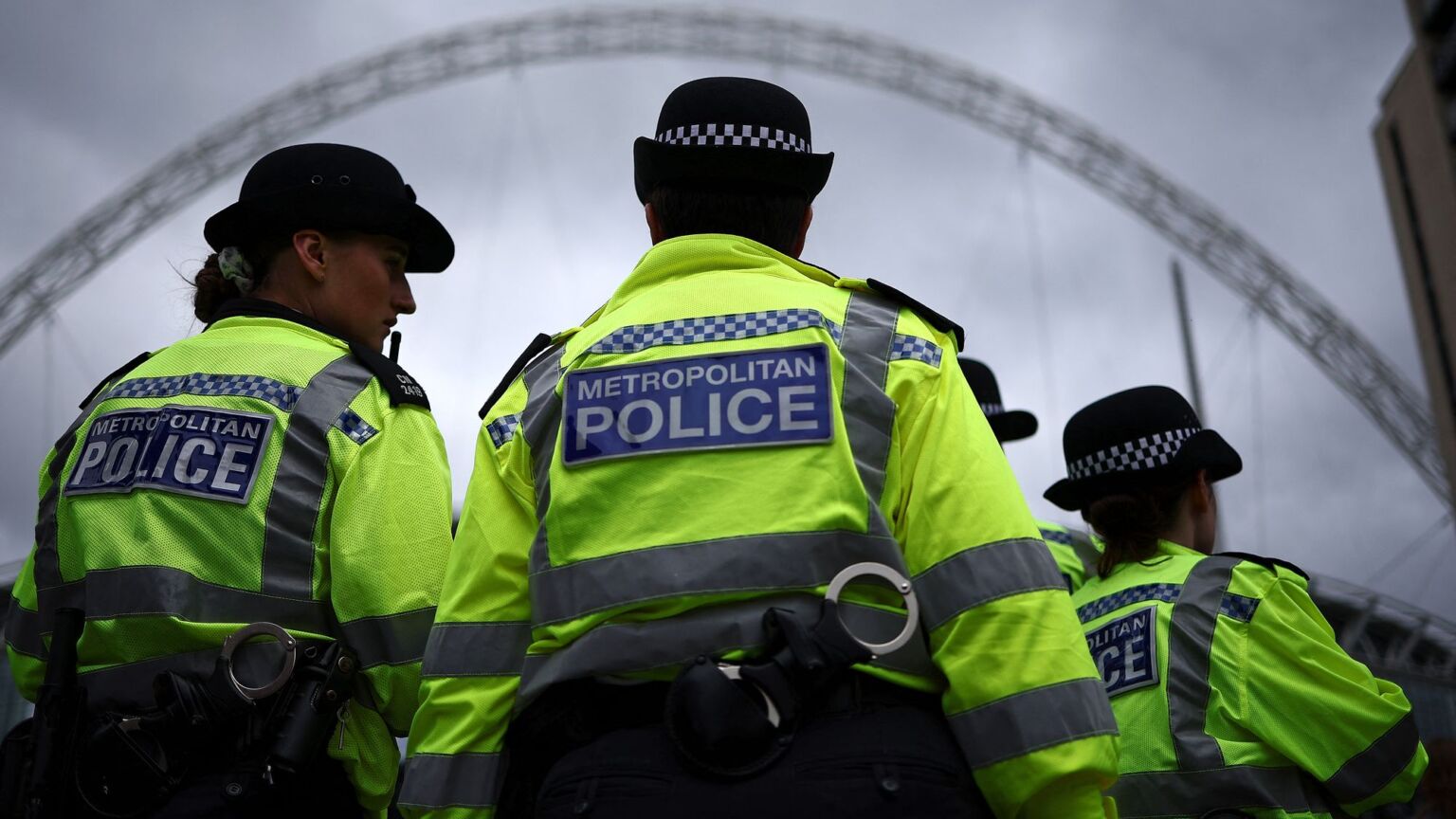
Christmas has come early for free-speechers. News broke last night that police intend to scrap the recording of ‘non-crime hate incidents’ (NCHIs) – a practice so authoritarian and yet cosmically stupid that only Britain’s speech police could possibly have come up with it.
Apparently, police chiefs are going to present the Home Office with proposals to replace the NCHI system, concluding it is ‘not fit for purpose’. This follows a series of mad, bad and batshit examples of law-abiding Brits having these ‘hate incidents’ recorded against their name over nothing more than slinging playground insults or expressing their perfectly reasonable opinions.
We have watched in horror in recent years as police have carried on like a cross between the Stasi and Keystone Cops, making 12,000 arrests a year for ‘grossly offensive’ or ‘malicious’ social-media posts, all while petty theft has seemingly been decriminalised. Even so, the rise of the ‘non-crime hate incident’ represented something almost more sinister.
The clue’s in the name. Thousands of people have had NCHIs lumped on their records for entirely lawful speech. We were told this was just intelligence gathering – a way to keep an eye on ‘community tensions’. But in truth, it punished people who had committed no crime. NCHIs can show up on advanced background checks, thus barring the alleged hater from certain jobs.
Rarely, it seems, is any actual hate involved, either. Funny looks on the bus, whistling ‘Bob the Builder’, an ‘aggressive’ haircut – all these and more have been recorded as NCHIs. This is because some genius at the College of Policing decided, in the 2014 ‘Hate Crime Operational Guidance’, that police officers should automatically record hate incidents, ‘irrespective of whether there is any evidence to identify the hate element’. A hate incident was defined as any incident which is ‘perceived, by the victim or any other person, to be motivated by a hostility or prejudice’. It was totally subjective. The accuser was to be treated as holy, even if they were being a massive, easily offended crybaby.
Our speech laws are bad enough. But at least they can, in theory, be repealed and amended by members of parliament. NCHIs, by contrast, just bubbled up out of the policing quangocracy. No law was ever passed instructing the police to waste their time like this. But on and on they’ve gone, for more than a decade now.
The NCHI regime has been remarkably resistant to legal or political pressure. The College of Policing’s Hate Crime Operational Guidance was declared unlawful by the Court of Appeal in 2021, after campaigner Harry Miller was landed with a non-crime hate incident over a trans-sceptical limerick. The Home Office then issued statutory guidance in 2023 to stop ‘trivial’, ‘irrational’ and ‘malicious’ complaints, and to ban incidents in schools from being recorded at all. But this didn’t stop police continuing to write up schoolkids for calling their classmates ‘retards’ or saying they ‘smelt like fish’.
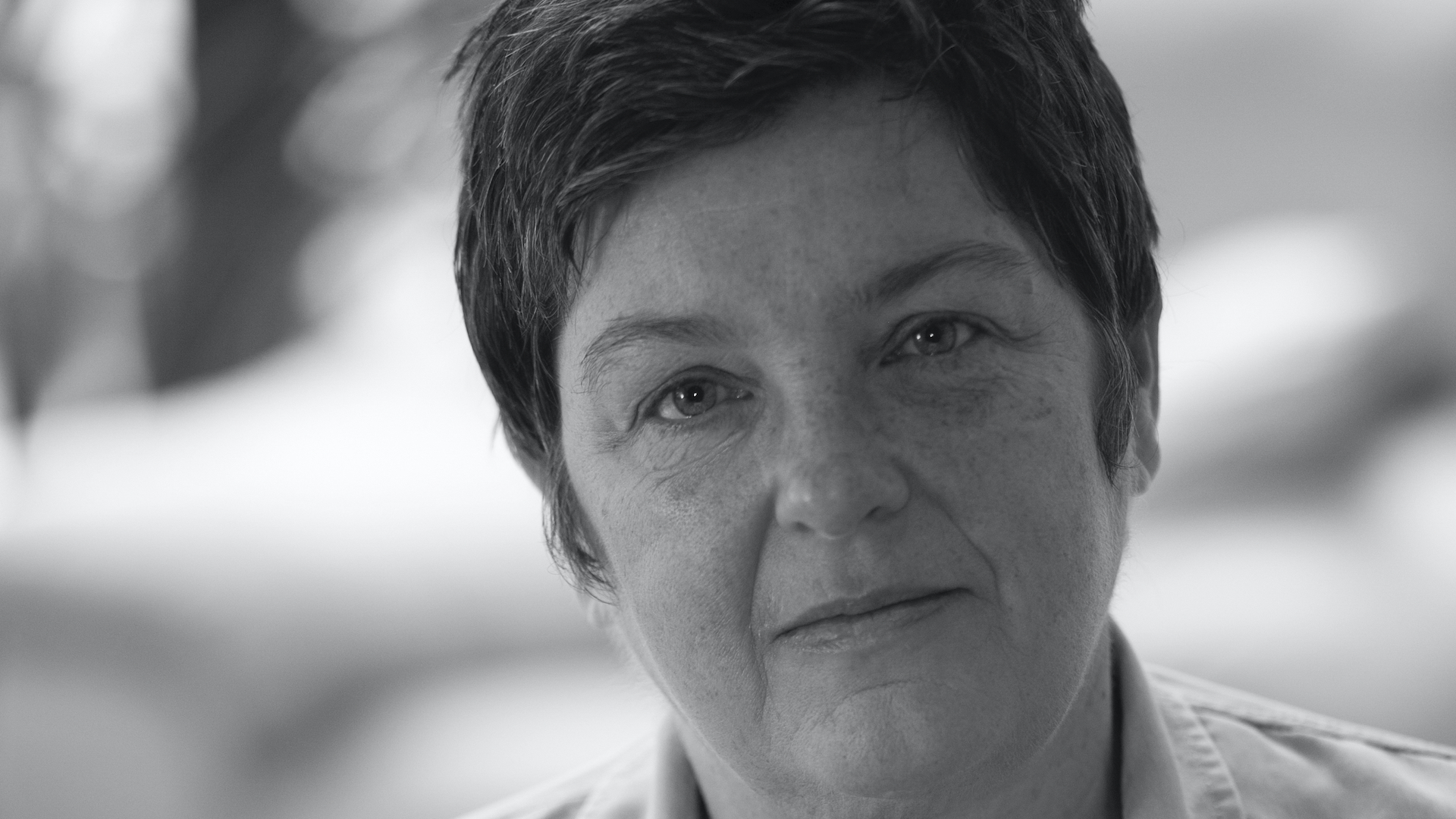
What’s changed? Donald Trump’s return to the White House, and the American right’s growing interest in Britain’s descent into woke censorship, has certainly played a big role. But so has growing public, political and media outcry in Britain, as the police appeared to be plumbing new depths of authoritarianism. The arrest of comedy writer Graham Linehan at Heathrow Airport in September, over three jokey tweets about transgender activists, was the last straw for many. (Linehan was originally accused of inciting violence, but later had his ‘offence’ downgraded to a non-crime hate incident.)
Crucially, free speech has been made into a live political issue in a way that it hasn’t been for decades. Courageous supposed hate-speakers – from Linehan to Miller to Telegraph columnist Allison Pearson – have refused to go quietly when the tweet police showed up at their door. Toby Young’s brilliant Free Speech Union has fought these cases in court and in Westminster. Then there are my indefatigable colleagues here at spiked, who have been railing against NCHIs from day one. All of this and more has shifted the dial. Police now arrest speech criminals – or investigate non-criminals – at their peril. The public knows what they’re up to, and they don’t much like it.
We can hardly be complacent. Police chiefs reportedly want to introduce a more ‘common sense’ system. I’ll believe that when I see it. But they have said there will be a higher threshold for recording incidents – ‘only the most serious category of what will be treated as anti-social behaviour will be recorded’, reportedly. What’s more, they will not be put on crime databases, meaning they won’t show up on job checks. Hopefully, this will mean police actually gathering intelligence rather than drawing up blacklists of wrong-thinkers.
Let’s see. But as we head into 2026, this is a win to savour. The free-speech fightback starts here.
Tom Slater is editor of spiked. Follow him on X: @Tom_Slater_
You’ve hit your monthly free article limit.
Support spiked and get unlimited access.
Support spiked and get unlimited access
spiked is funded by readers like you. Only 0.1% of regular readers currently support us. If just 1% did, we could grow our team and step up the fight for free speech and democracy.
Become a spiked supporter and enjoy unlimited, ad-free access, bonus content and exclusive events – while helping to keep independent journalism alive.
Monthly support makes the biggest difference. Thank you.

Comments
Want to join the conversation?
Only spiked supporters and patrons, who donate regularly to us, can comment on our articles.