Long-read
Britain’s patriotic vibe shift
Flag-raising Brits are demanding liberation from our post-borders elites.
Want unlimited, ad-free access? Become a spiked supporter.
This is an exclusive extract from Brendan O’Neill’s forthcoming book, Vibe Shift: The Revolt Against Wokeness, Greenism And Technocracy. It will be released in the New Year. We’re also giving away signed copies to those who dig deep for our Christmas appeal. To get your hands on one, donate £50 or more – or £30 or more if you’re a spiked supporter – while stocks last.
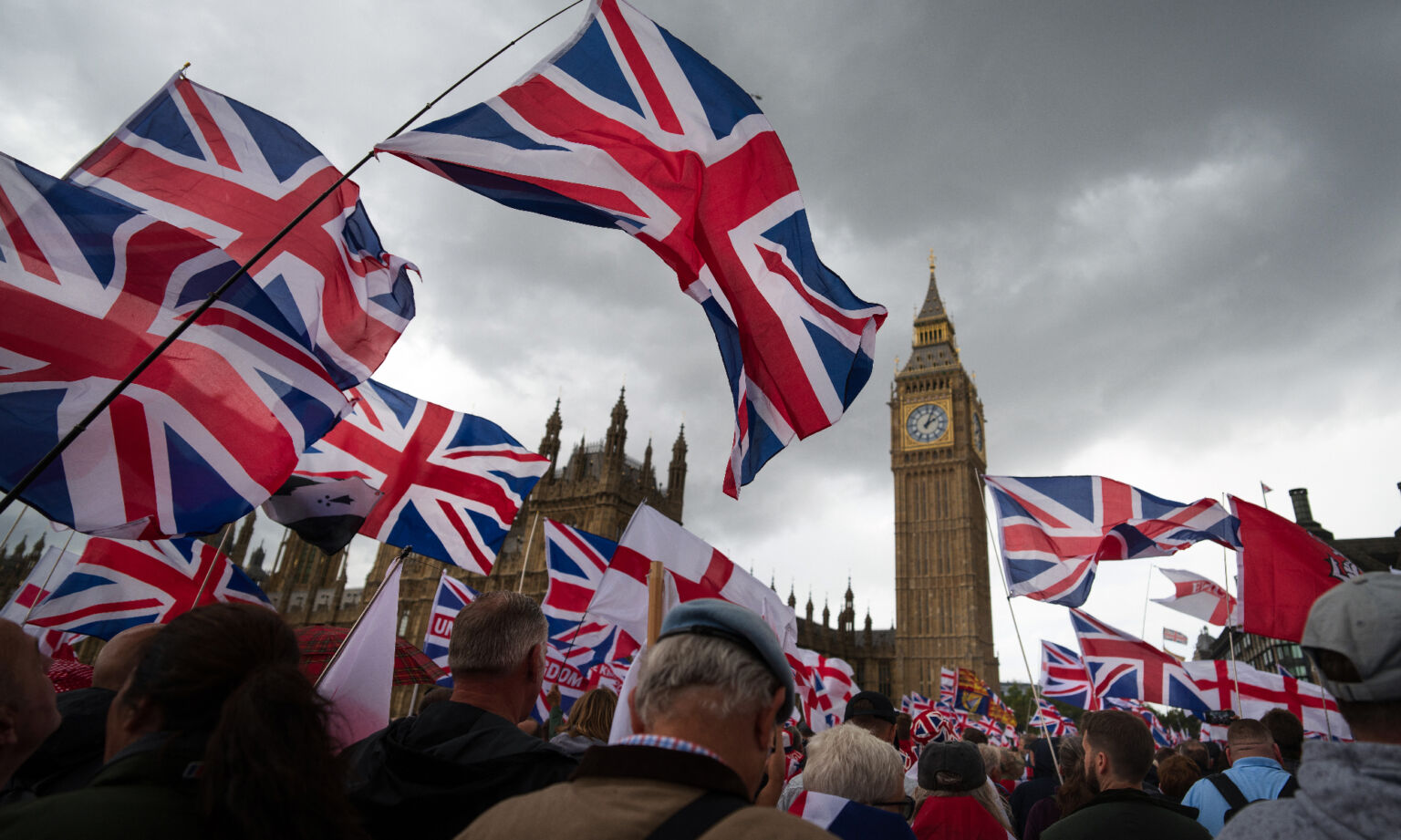
Imagine going back in time and trying to explain to an everyday Brit that it will one day be a risky business to fly the flag of Britain in Britain. Imagine telling the joyous crowds who waved mini Union flags for the Queen’s Silver Jubilee in 1977 that their grandchildren would be branded ‘fascists’ for waving that very flag in 2025. Imagine telling those swooning gatherings at Portsmouth and Southampton in 1982 – who gleefully displayed the flag to welcome home British troops from the Falklands – that Brits in the 2020s would be damned as ‘far right’ for doing likewise.
Or just imagine going back to 1997 when Tony Blair won his landslide victory in the General Election. The crowd that thronged Downing Street to cheer him into office after 18 years of Tory rule was a sea of red, white and blue. Scores of Union flags flutter in every photo of Blair’s long walk to No10. Imagine telling those people – Labourites, liberals, leftists – that soon their kind would look upon such flag-waving as at best vulgar nationalism and at worst nasty racism. Imagine telling them that in a couple of decades’ time, Labour MPs would criticise the hoisting up of Union flags for ‘mak[ing] people feel uneasy’. That Labour MPs would slam the ‘extremist’ lowlifes who fly the national flag just to ‘mark territory’ and ‘intimidate’ people.
Imagine trying to explain to those activists who were so full of Blairite hope that in the future their own party’s bigwigs would openly sneer at the riff-raff who engage in the supposedly crass pastime of flag-waving. Or ‘flag-shagging’, as some on the left call it. Imagine telling them that people in their party would one day say their ‘stomach churned’ at the sight of those ‘tatty bits of cloth’ – that is, the England flag.
Imagine telling them that one of their party’s best-known MPs would be forced to step down from her role as the shadow attorney general after making a sly, snobby remark about a working-class home in Rochester in Kent where national flags fluttered from the windows. That was Emily Thornberry, or Lady Nugee, to use her full and pompous title. In 2014 she encountered a terraced house that had three England flags on display and a white van in the driveway. She took to Twitter to vent her haughty contempt. The man whose home she mocked was fuming. ‘She’s a snob’, he said. ‘What’s she got, a three-storey townhouse in Islington?’ Actually she had a four-storey townhouse.
They would not have understood. None of those people – not the Queen lovers of the 1970s or the Blair idolisers of the 1990s – would have been able to compute the coming demonisation of flag-waving, the future vilification of patriotism, the 21st-century snorting at the little people’s ‘tatty bits of cloth’.
And yet here we are. There is a ‘distinct air of menace’ to all these flags, said a writer for the Guardian in the summer of 2025 when working-class parts of Britain started hoisting aloft the Union flag and the England flag in defiant displays of national pride. All this flag-shagging is a ‘dog-whistle call to racism’, said a writer for the Independent who was clearly consumed by dire visions of lower-class Britons being led, dog-like, towards orgies of racial hatred. There it was, the switch. In just one generation, flag-waving went from being good, or at least fine, to being the low hobby of tasteless plebs who apparently don’t so much love their country as hate foreigners.

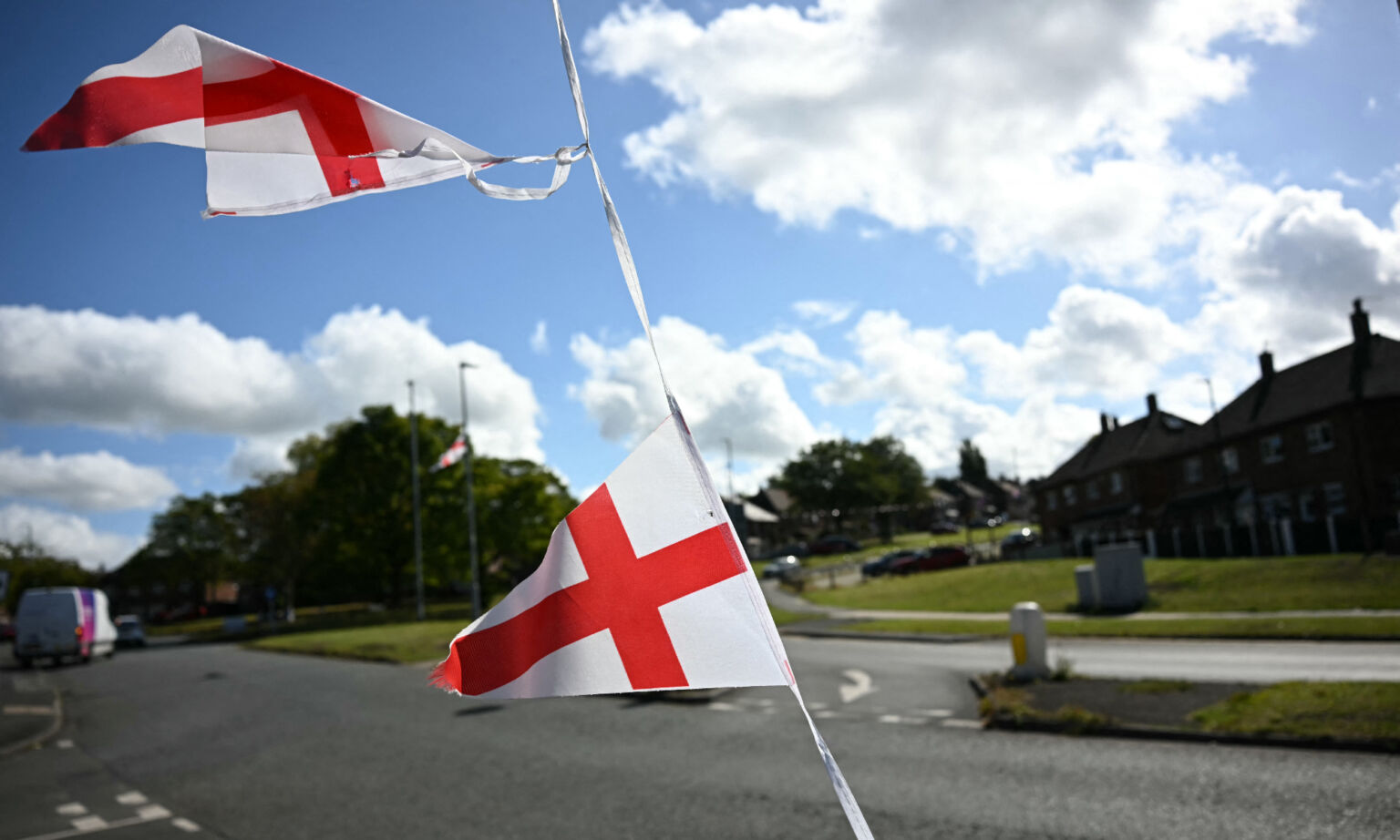
The flag wars that swept Britain in 2025 were so telling. A digital movement called ‘Operation Raise the Colours’ encouraged people to fly the Union flag or the St George’s Cross on their streets and in their towns. And people did. From Hillingdon to Hull, Portsmouth to South Shields, flags went up. And the reaction from the opinion-forming set and their comrades in the lanyard classes was extraordinary.
Many local councils tore the flags down, citing ‘health and safety’. Officials in Liverpool yanked down Union flags from local lampposts on the basis that they posed a ‘serious safety risk to road users’. Perhaps they thought motorists would be so startled by these rare displays of national allegiance that they would veer off the road.
In the borough of Tower Hamlets in London, the flags were unceremoniously removed by council officials. Eighty Union and St George’s flags were taken down in just two days in the heady summer of 2025. We have a ‘responsibility to monitor and maintain council infrastructure’, said the local apparatchiks. What’s more, we fear the raising of these flags ‘creates fear and division’, they said. This is the same borough where the flag of Palestine flew from lampposts for months after the Hamas pogrom of 7 October 2023. Think about that: in the British capital in the 21st century it is easier to wave a flag under which more than a thousand Jews had just been murdered than it is to wave the flag of Britain itself.
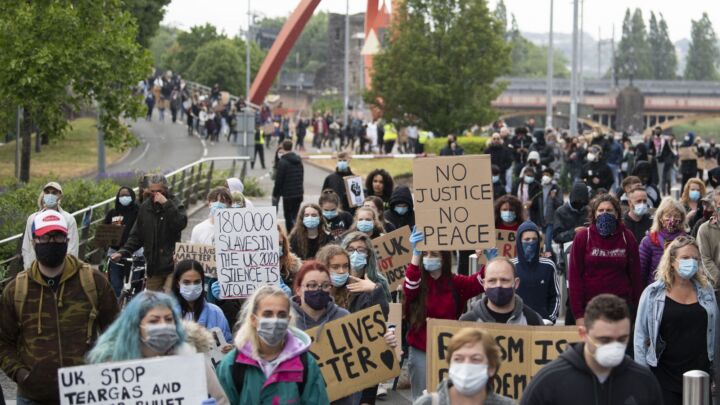
The commentariat was likewise horrified by the sight of working people flying flags. These flags are a ‘ghastly reminder’ of Britain’s racist past, said one scribe. ‘This sea of flags with nationalist intent’ has got my ‘anxiety… peaking’, she said. The Guardian fretted over this ‘dangerous lamppost movement’. A spokesperson for Stand Up To Racism said ‘we do feel this movement is quite dangerous and comes at a tipping point where the far right is trying to build’. The presence of a few far-right activists in Operation Raise the Colours was enough for the whole thing to be damned by the activist class with not a second thought for the thousands of decent Brits who were raising flags.
This shrieking aversion to the flying of the national flag was fuelled in large part by old-fashioned class hatred. Because the fact is the British flag does still fly in Britain. You see it at the Proms, the annual orchestral festival organised by the BBC. It flies outside government buildings. It’s festooned across Regent Street for national celebrations, like big royal events or the anniversary of VE Day. Yet you never see irate thinkpieces about that ‘flag-shagging’. You never see officials wringing their manicured hands over the ‘fear and division’ such flags might ignite. You never see groups of sad-eyed middle-class liberals hitting the streets with stepladders to yank down those flags, as we saw with the flags flown as part of Operation Raise the Colours.
We all know why. Those flags are flown by ‘decent’ people. They adorn respectable institutions. They flap over the heads of happy shoppers on London’s boulevards who are unlikely to be led astray by that ‘dog whistle of racism’. The East End of London, though? Those Brexit-voting parts of Essex? Those northern towns where men who read tabloid newspapers and sport beer bellies were hoisting up the flag without official permission? That’s different. That’s scary. It wasn’t the flag itself, just a ‘tatty bit of cloth’, that horrified the guardians of high-status opinion. It was the people raising it. It was the fact that those lifting it up live in a realm beyond ‘acceptable opinion’ and hold views the metropolitan elites abhor: borders matter, Britain is a place to be proud of. The weeks of horror and handwringing over those flags were motored by a lofty suspicion of the communities in which they were flown.
As Philip North, the Bishop of Blackburn, said about the flurry of flag-waving in 2025, for many ‘working-class communities’ it was an expression of revolt against the globalism of their supposed betters. These are communities, he said, for whom ‘the globalisation and transnationalism that is viewed by those who hold power as the path to greater prosperity has been bad news’. And they wave the flag in part as a ‘cry for their nation to take better care of them’.
What’s more, he said, many in the north of England welcomed the flags as symbols of safety, not danger. He recounts a meeting with a leading Orthodox rabbi in the wake of the terror attack at the Heaton Park Synagogue in Manchester on 2 October 2025. The rabbi said that when he saw ‘the flags flying in Salford’, he felt ‘the most tremendous sense of relief’. He felt comforted by this display of ‘confident British identity’. How striking that as the cossetted influencers of the south were lamenting these working-class displays of patriotism as the harbinger of a racial apocalypse, for beleaguered Jews in the north they were a welcome reminder of a sense of national togetherness.
It was precisely this – the fact that working-class communities were giving expression to a national feeling – that so alarmed the cultural establishment. Their hostility to the council-defying flag-raisers was underpinned by a broader ideological aversion to national sentiment itself, and in particular to national pride. That truly bizarre spectacle of council officials and correct-think ‘liberals’ tearing down the flag of their own nation spoke not only to their disdain for the patriotic ‘lower orders’, but also to their elitist hostility to the very idea of nationhood.
The great flag wars of 2025 shone a light on one of the deepest and most glaring divides in the Anglo-American world today – that between an elite that is wary of anything that smacks of ‘nationalism’ and ordinary people who crave a sense of national belonging. That between the influencer classes who consider themselves ‘global citizens’ and the working classes who long to restore national citizenship. That between a technocratic establishment that has eschewed such petty vulgarities as patriotism and everyday people who see in patriotism the possibility of connection with place, people, purpose. That between, in David Goodhart’s words, the ‘Anywheres’, the highly mobile cosmopolitan elites, and the ‘Somewheres’, the less credentialled sections of society who feel rooted in a specific place and who cherish the comforts of flesh-and-steel community life.
Vibes are shifting here, too. Across Europe, and in the US, the hollow creed of managerial politics is being furiously called into question. The post-borders ideology of a self-styled ‘cosmopolitan’ establishment is being challenged by people who yearn for the security and meaning borders can provide. The fashionable ‘anti-nationalism’ of a ruling elite that feels far more comfortable rubbing shoulders in Davos than pressing the flesh with its own irritant citizens is increasingly on the rocks. From the neglected streets of Burnley in the north of England to the palatial offices of Trump’s White House, a cry has gone up: the era of globalism is over, and the era of nation-mending has begun. It might yet prove to be the most consequential vibe shift of them all.
One of the most striking things about the anti-flag fury of Britain’s elites was its hypocrisy. These people are not averse to flags. In fact, they love them. The Pride flag decorates their social-media bios and the arts institutions where they hang out. The Palestine flag has become virtually a fashion accessory of the influential classes. Every weekend for two years they hit the streets in the uniform of the self-righteous – a keffiyeh wrapped round their necks and a Palestine flag worn like a pashmina across their shoulders. Fancy calling other people ‘flag-shaggers’ for putting a flag up a lamppost when you wear the flag of a foreign nation like a holy garment.
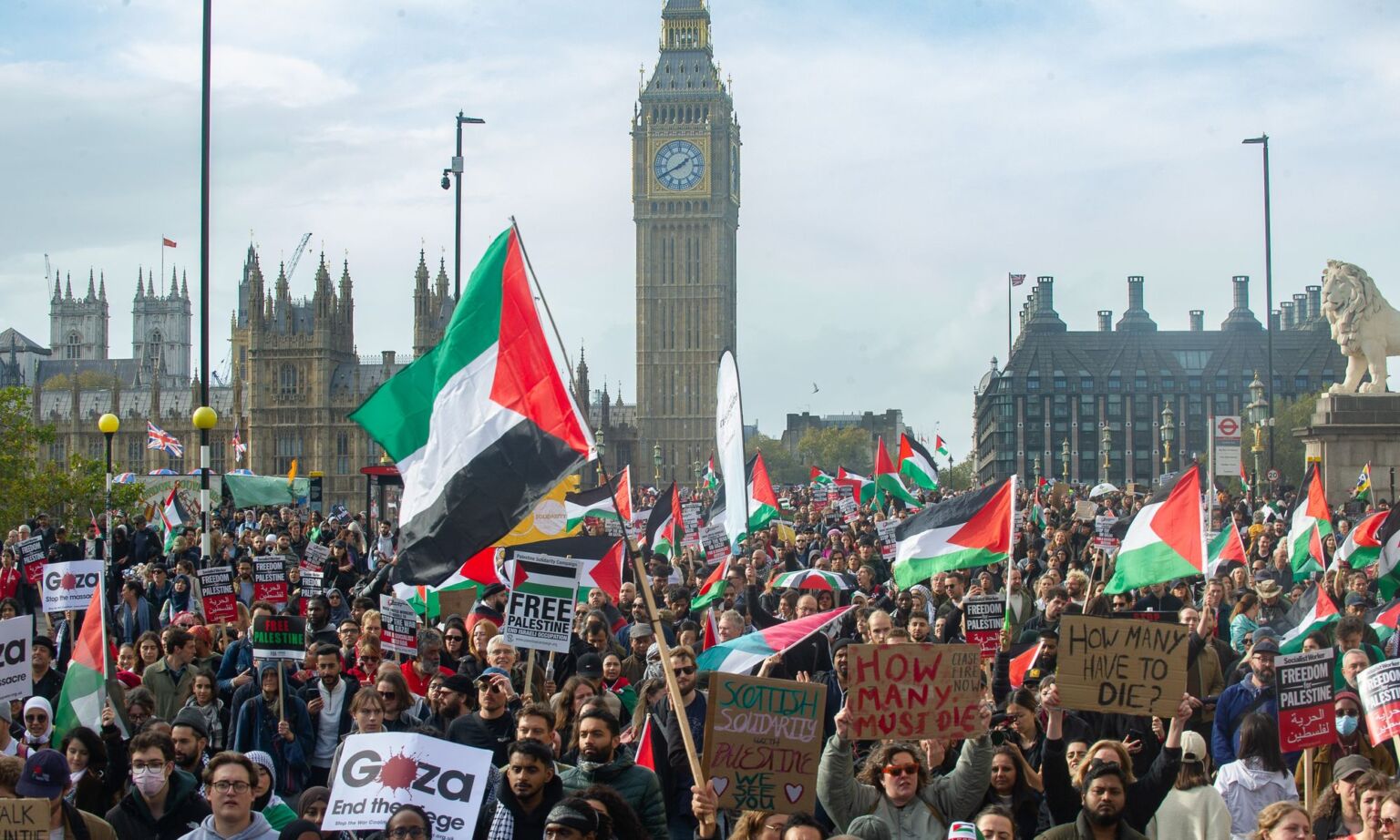
That the middle classes congratulate themselves for displaying the Pride and Palestine flags even as they condemn ruffians who fly the national flag is incredibly revealing. It confirms national pride is the great unutterable emotion under the rule of the technocrats. Pride in the self is cheered – especially if you are in possession of one of the elites’ chosen identities, such as transgenderism, ‘queerness’ or minority status. Pride in one’s own puffed-up sense of virtue is cheered too, as demonstrated by the omnipresence of the Palestine flag on leafy campuses and in leafy suburbs. That flag is less a statement of solidarity with the Palestinian people than a statement of one’s own heightened moral sensitivities in comparison with the lower, less caring sections of society.
Where the national flag is viewed as a tatty bit of cloth to be torn down, these other flags are sacralised as holy icons. Desecrate these flags and you will be in trouble. In 2022, a man was arrested in Aldershot for sharing a social-media post that showed the Pride flag in the shape of a swastika. In 2021, the local council of Ockbrook and Borrowash in Derbyshire landed itself in hot water when it refused to fly the Pride flag during Pride Month. ‘Anger as Pride Month flag snubbed by Derbyshire council’, reported a startled BBC. The same BBC that published a pained feature titled ‘The turbulent history of the Union Jack’ during the summer of flag-raising in 2025.
As for the Palestine flag – violate that and you will never be forgiven. One of the reasons Maccabi Tel Aviv fans are so hated by the self-styled virtuous – aside from the fact that they hail from the Jewish State – is because they tore down Palestine flags during their visit to Amsterdam in 2024.
The ringfencing of the flags of the elites, even as the national flags preferred by working people are roughly dispensed with, speaks to a new species of cultural supremacy. Convinced that their belief system is of a higher moral quality than that of the masses, they shield their icons from blasphemy while themselves blaspheming against the banners preferred by ‘ordinary people’. This is the cruelty of luxury beliefs: they would deny to others the thing they so jealously guard for themselves – a sense of pride and belonging, if only to cosmopolitan networks of elite opinion rather than anything as old-fashioned as a national territory.
The summer of raucous flag-hoisting in Britain was a revolt against the post-national posturing of the elites. Against the identitarianism and performed virtue that pass for ‘morality’ in influential circles, ordinary people dared to give voice to something larger, something more historic, something that rises above our petty individual identities and inner virtue – namely, the national interest.
It was the intemperate reintroduction of the national question into a political realm that fantasised it had left such things behind. Where the flags of the elites serve the entirely divisive ends of moral distinction, allowing the clerisy to distinguish itself from the ‘low-information’, ‘low-virtue’ masses, the raising of the Union flag was a stirring act of collective solidarity, an effort to restore the bonds of nationhood against the alienating trends of the neoliberal era. John Harris at the Guardian raged against the flag-wavers’ ‘sense of mischief and menace’. He’s right about the mischief – this was a rude blow by the lower orders against an elite ‘vibe’ they’ve grown to loathe.
Being ‘borderless’ is all the rage in establishment circles. Radicals fume against ‘the violence of borders’. ‘Borders = Death’ say banners on ‘pro-migration’ marches. There are a whole host of NGOs that revel in their rejection of borders. Most famously Doctors Without Borders, but also Reporters Without Borders, Diplomats Without Borders, Lawyers Without Borders. The turn against borders is the founding and defining feature of the Brussels oligarchy that dominates European politics. Robert Schuman, the French statesman who was one of the key founders of the nascent project of European unification, famously described borders as ‘the scars of history’. Such ostentatious disdain for borders remains integral to the EU’s mission. Josep Borrell, the EU’s former high representative for foreign affairs, said in 2020 that ‘millions have died as a result [of borders]’. Echoing Schuman, he called borders ‘the scars which history has left in the skin of the Earth, made with blood and fire’. And ‘the genius of the European integration idea’, he said, is that instead of fighting over borders we ‘focus on making them irrelevant’. The EU has become ‘the world champions in eliminating borders’, he said.
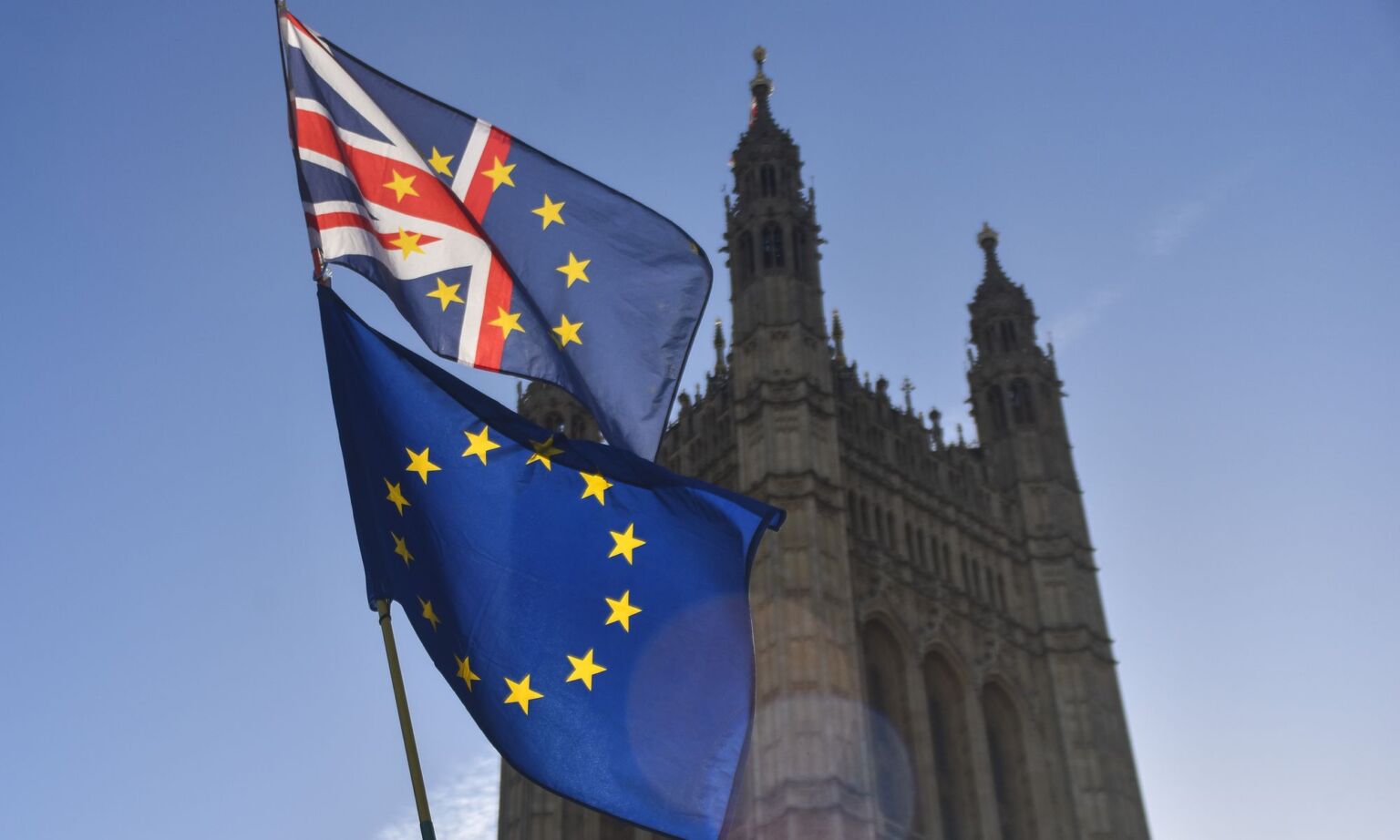
He’s right. The EU is the pinnacle of post-borders mania. It’s the mechanism through which the states of Europe pool their sovereignty and in the process willingly dilute their own territorial integrity. But he’s wrong to be so cocky about such an accomplishment, because it has become clear to vast swathes of European society that far from delivering peace, the ‘elimination of borders’ has cultivated chaos. Our borderless dystopia may have gifted the likes of Borrell with ‘new freedoms and the ability to pursue new opportunities’, but for the working people of Europe it has proved disastrous. ‘The European ideal will be judged’ by ‘this simple question’, said Borrell: ‘Did the European Union protect me?’ The answer of many millions will be a resounding No.
One of the great dawning realisations of recent years has been that the Euro-elites’ borderless project has not delivered a free, open utopia but its opposite – a continent of withered sovereignty and porous frontiers in which the ordinary citizen feels ever more powerless and vulnerable. Disorder is the thing that flows from the ‘elimination of borders’. Not for nothing was ‘Take Back Control’ the rallying cry of Brexit voters in 2016. Because that OG vibe shift was at root about recovering our sovereignty from Brussels and restoring our power over ourselves in an era that had been made unstable by the gloating dismantlers of democracy.
The chaos of the borderless ideology expresses itself most clearly in the migrant crisis. There is no denying that mass immigration has become a flashpoint – perhaps the flashpoint – in the war of the vibe shift. In both the UK and the US, polls consistently find that uncontrolled immigration is a key concern of working-class voters. Indeed, it is striking that as the global commentariat rails against President Trump’s deporting of illegal immigrants, a huge majority of working-class Americans support his actions. Working-class voters back the deportation of ‘immigrants living in the United States illegally’ by a staggering 69 to 29 per cent. The chasm between the virtuous anger of the makers of opinion and the practical worries of everyday voters has rarely been so starkly expressed.
Meanwhile, polls in the UK frequently find a sweeping disconnect between the attitudes of the middle classes and the working classes on the issue of immigration. A huge social study by Oxford University in early 2025 found that where 50 per cent of people with university degrees think immigration is a good or very good thing, just 22 per cent of people with lower levels of education think the same. People with degrees are also far less likely to think immigration should be reduced (just 37 per cent) compared with people without degrees (59 per cent).
We all know what the smug eliminators of borders will say – that the less-educated are more cagey about immigration because they lack the knowledge to appreciate its wonder and benefits. That’s rubbish, of course. As even the Oxford study said, it’s possible it is the university-educated who are overegging their pro-immigration stance, driven by ‘social desirability bias’ – that is, they want to be considered one of the right-thinkers committed to the elite crusade of ‘making borders irrelevant’. Furthermore, the upper classes are far ‘less affected by labour-market competition with migrants’. In fact, the well-off often benefit from the arrival of cheap labour, whom they can employ in the assistance of their busy lives. Behind the supposedly enlightened ‘pro-migration’ stance of the influential sections of society, there often lurk the brute requirements of both capital and virtue: mass immigration provides the upper classes both with servants and a sense of moral rectitude.
Ordinary people’s concern about mass immigration is not down to ignorance, far less to racism. No, immigration is simply the issue through which they most keenly feel their disenfranchisement from public life. It’s the issue over which they sense they have no material or moral control. It’s the issue they are told not to get het up about lest they accidentally whip up racial hatred. It’s the policy that feels most imposed on them, whether by European commissioners whose names they don’t know and yet who have sworn themselves to the ‘elimination of Europe’s borders’, or by non-EU ‘liberal’ leaders in post-Brexit Britain and even the US who likewise bend to the borderless ideology. And it’s the issue that seems to be turning their home – the nation – into a place of social chaos and cultural insecurity. The desire to shift the vibe on immigration is fuelled not by xenophobia but by a deep, democratic yearning to restore nationhood after decades of post-borders lunacy.
This is a law of the vibe shift – that there is only so long you can inflict hardships on people before they break. There are only so many times you can say ‘It’s fine’ about a patently not-fine problem like out-of-control immigration before people take to the streets. The vibe shift is as much an instinctive and irate push against the policy excesses of rulers who’ve lost touch with reality as it is a political uprising in the traditional sense.
No serious person can now deny that the migrant crisis has had a vastly destabilising impact on Europe. Consider Sweden. Once viewed by Western liberals as a social-democratic utopia, Sweden became a haven of gang activity and Islamist violence following the migrant crisis of 2015 when it brought in tens of thousands of migrants from the Middle East with little sense of where they might go or what they might do. Sweden is now the only country other than Mexico in which the police record the annual number of grenade attacks. Explosions have soared. ‘Sweden’s 100 explosions this year: what’s going on?’, asked a flummoxed BBC in 2019. In 2020 there were more than 200 explosions and 360 shootings. Even the Guardian, once Sweden’s keenest cheerleader, has had to admit that Sweden went from having ‘one of the lowest rates of gun violence on the continent to one of the highest in less than a decade’.
Can we dispense already with the idea that it’s ‘racist’ to talk about these things? There is nothing racist about analysing the social and criminal shifts in a nation state and asking how such things might be turned around. Indeed, Sweden’s then prime minister, Magdalena Andersson, a Social Democrat, smartly hit on the problem in a speech in 2022. We brought people in but failed to integrate them, she said. As a result, we now have ‘parallel societies’. People ‘live in the same country but in completely different realities’. It’s a problem Keir Starmer woke up to in 2025 when he lamented that Britain is becoming an ‘Island of Strangers’. Belatedly, our rulers seem to be clocking that it is dangerous, if not outright destructive, to bring in unprecedented numbers of people from distant shores at precisely the same time that you have abandoned the ideal of integration because you fundamentally think your nation is not worth integrating into.
The vibe shift involves huge and simmering rebellions on migration. In Ireland people have hit the streets to slam the government’s policy of commandeering hotels across the country for the purposes of housing the burgeoning numbers of ‘asylum seekers’. Events in Ireland are startling proof of the folly of ‘eliminating borders’. Even Fintan O’Toole of the Irish Times, far from a populist, has had to admit that immigration is out of control. After figures revealed that one in five of Ireland’s current population was born outside of Ireland, he was moved to call this ‘an extraordinary phenomenon’. He pointed out that in the US between 1870 and 1930 – the decades of the great American ‘melting pot’ – between 12 and 15 per cent of the population was born outside America. This means Ireland’s migrant population is ‘not as large as that in the great age of immigration in the US’, he wrote: ‘It is much larger.’ It is not racist to ask why a tiny economy like the Republic of Ireland now has a higher proportion of foreign-born residents than did those swelling metropolises like New York City in the 19th century.
Then there’s the UK. Britain was not only the site of the first successful rebellion against the EU oligarchy – the vote for Brexit. It has also become a cauldron of dissent on the mass immigration facilitated by the erosion of borders in both the EU years and the post-EU years. A YouGov poll in late 2025 found that immigration is the No1 issue of concern for British voters, ahead of the economy, health and crime. We have seen rowdy protests at migrant hotels across the country, with working-class Brits wondering why illegal arrivals are being given bed and board in four-star accommodation even as some of their own friends and families go without.
Mums and nans wearing pink have assembled at migrant hotels with placards saying ‘Protecting women and children isn’t far right – it’s just right’. They’ve raised concerns about the crimes committed by these so-called asylum seekers, which have included the sexual assault of women and girls. Naturally, they’ve been damned as racist by the moral clerisy that agrees with Josep Borrell that borders are a bureaucratic inconvenience for the middle classes keen to move about for study and ‘new opportunities’. At the Bell Hotel in Epping in Essex, where a recently arrived Ethiopian man was found to have sexually assaulted a 14-year-old girl, the women were confronted by protesters from Stand Up To Racism. The protesters barked ‘fascists!’ in the women’s faces. They chanted ‘Nazi scum off our streets’ at them. They damned the ladies in pink as the scum of the Earth.
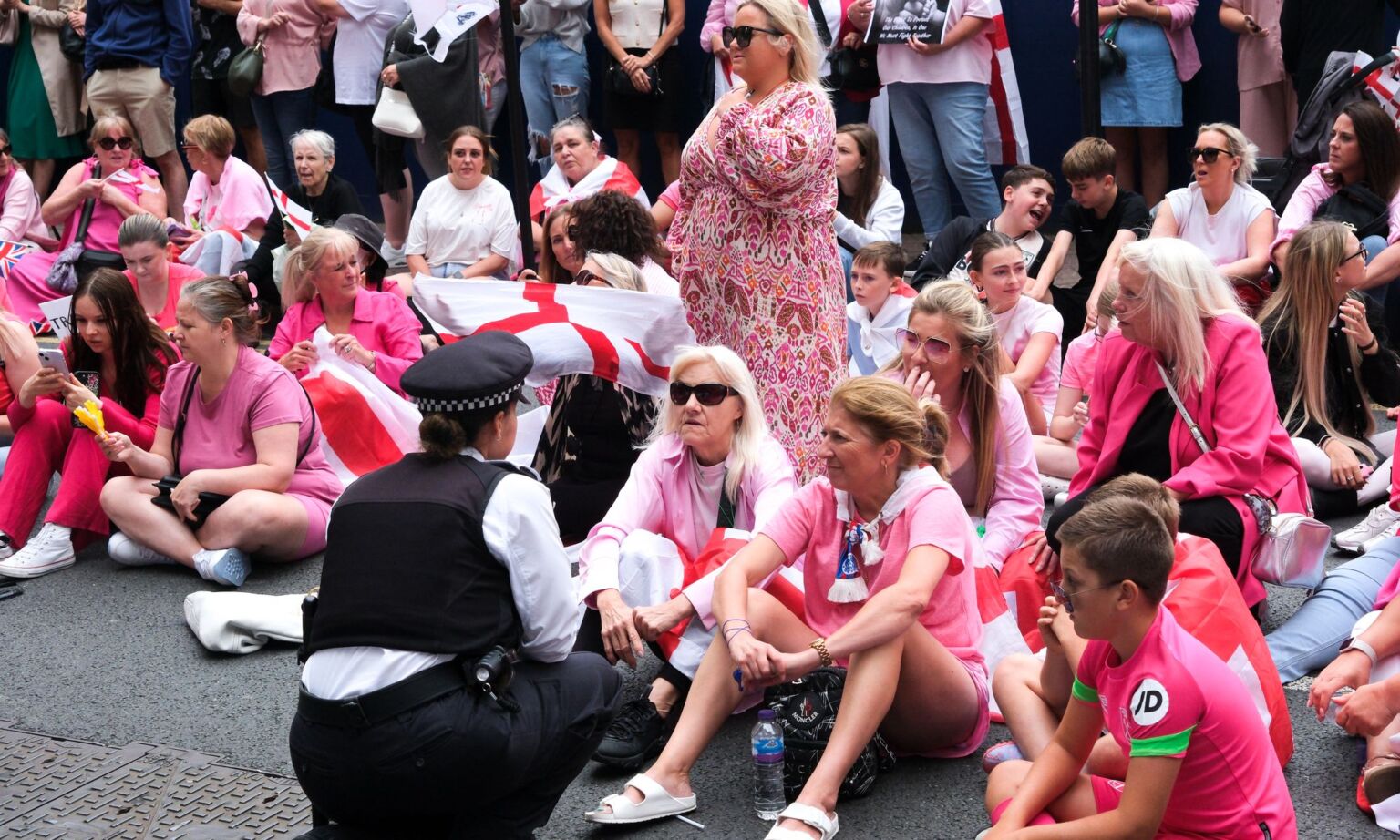
Has there been a better illustration this decade of the staggering aloofness of the activist class? It will surely have mystified the good people of Epping that their heartfelt pleas for female safety were met with such fury from bourgeois agitators. With guttural cries of fascist, scum, Nazi, bigot. All they wanted was for local girls to be safe, and for that they were branded a demonic threat to the social fabric. It was confirmation that the working classes are not only locked out from the pride and flag-waving that their ‘betters’ gleefully engage in, but also from the ideology of #MeToo. Where women of the professional classes who raised concerns about predatory men were listened to and believed, women of the working classes who do likewise are damned as the spawn of Hitler. Classism bares its teeth.
The irony of the fuming counter-protests against the women in pink is that they came off as infinitely more bigoted. If bigotry, as the Oxford English Dictionary says, is ‘intolerance towards those who hold different opinions from oneself’, then the bigotry at the migrant-hotel clashes came less from the concerned mums than from the privileged activists drowning them out with insane wails of ‘Nazi!’. The depiction of working-class communities as hotbeds of racial hatred is a far more stark expression of imperious bigotry than anything we’ve seen on the hotel protests themselves.
To my mind, it is deeply unfortunate that migration has become such a burning topic in the shifting of the West’s vibes. But whose fault is that? As Frank Furedi has argued, it was our border-eliminating elites who marshalled migrants as human weapons in their culture war against national sovereignty. ‘Migration’, he says, ‘has been turned into an instrument for the realisation of a future cosmopolitan condition’. Mass migration is celebrated because it is ‘seen as a challenge to the sovereign subject’. The ‘refugee’, says Furedi, is cast as ‘the main protagonist in this heady drama’ of weakening borders.
Many bad things have been done by the self-styled ‘eliminators of borders’. But this might be the worst thing – this nodding through of an army of the wretched in order to weaken sovereignty and boost the ‘opportunities’ of well-off Westerners for whom borders are a pain in the neck. This is the poor of the Global South being treated as the footsoldiers of an ideology beloved of the rich of the Global North. To knowingly risk social cohesion by green-lighting mass migration for ideological purposes is unforgivable. It is possibly the cultural establishment’s most lethal and lunatic moral error so far this century.
The great undeniable factor in the vibe shift on migration is class. There are those polls that show working people are fuming on this issue. And there’s the evidence of our own eyes – members of the activist class with credentials and blue hair barking ‘fascist’ in the faces of working-class women who simply desire security and sovereignty. Harvard professor Charles S Maier has argued that the borders question meshes with the class question. ‘Territorial allegiances have become a class-specific property’, he writes. ‘Those who tend to occupy the supervisory positions in politics and the economy… claim to transcend territory.’ They aspire, he says, to make national pressures ‘archaic’ in order to deprive sovereignty of ‘real power over their particular activities’. Meanwhile, people down the pecking order dream of sovereignty. They dream of its tempering impact on the neoliberal wreckers of borders, and the transformative impact it might have on their own atomised lives in the post-national era.
The true theme of the technocratic era has been insulation – the insulation of political decision-making from the pressures and thoughts of the masses. Everything was outsourced. The law-making rights of European states were surrendered to Brussels. The authority of our elected officials was undermined by ‘human rights’ judges whom none of us could pick out in a line-up. Through the ECHR – the European Convention on Human Rights – the decisions of the people we vote for can be overridden by the judicial overlords of ‘rights’. What a flagrant assault on Britain’s 1688 Bill of Rights, which proclaimed loudly that ‘proceedings in parliament ought not to be questioned or impeached in any court or other place’. Even mighty America found its internal democratic authority being whittled and undermined by external writs, like the Paris agreement on climate change. Little wonder Trump has sought to shred such documents.
The revolt against the borderless vibe is fundamentally about burning that insulation between the ‘plebs’ and our rulers. It’s about dragging decision-making back to the territory in which us mere mortals live. It’s about saying there is nothing ‘archaic’ about nationally agreed limits on neoliberal activity or the movement of migrants. On the contrary, it is the fundamental right of a people to say which business and which visitors may operate in their territory. As the great Irish revolutionary James Connolly said: ‘A free nation must have complete control over its own harbours, to open them or close them at will, or shut out any commodity, or allow it to enter in, just as it seemed best to suit the wellbeing of its own people… and entirely free of the interference of any other nation.’ ‘Short of that power, no nation possesses the first essentials of freedom’, he said.
Do we have that power? No. The project of eliminating borders has robbed us of that right that was once seen as the very foundation stone of nationhood and democracy. But the vibe is shifting. Under pressure from pissed-off citizens in Europe and voters in America, national sovereignty is being slowly restored against that gold-collared superclass that fancies itself as the border-crossing fixer of humanity’s problems. Trump’s ‘America First’ initiative, in particular, has compelled the nations of the West to confront the issue of nationhood. You can love or loathe his tariff regime, but it has at the very least compelled the decadent border-haters of the European elites to get real about the national interest as globalism wanes. Indeed, national populist parties keep rising. From Argentina to Czechia, the UK to Japan, parties that promise a restoration of the shattered, enfeebled domestic realm, rather than yet more globalist deal-making, are coming to power or growing in stature. Populism, for all the rumours of its demise, is ‘surging’, writes Henry Olsen, and it isn’t hard to see why – the ‘globalist elites’ flat-out failed to ‘bring the peace, prosperity and cultural harmony’ they promised.
Hannah Arendt spied the dangers in the cult of post-sovereignty. ‘The establishment of one sovereign world state, far from being the prerequisite for world citizenship, would be the end of all citizenship’, she wrote. Many others now sense the very same. They agitate for a shift of the vibe not because they have ‘closed’ minds and fear foreigners, but because they long to repair citizenship after years of its ravaging by border-busting capitalists and ideologues. They recognise that it is only within the realms of a free state that free people can think for themselves, and flourish.
All that flag-raising on the streets of left-behind Britain was a blast not only of national pride, but of common sense, too. The wise, grounded beliefs of ordinary people in open revolt against the wrecking-ball politics of their distant rulers. It was a mutiny of citizens against fashionable follies, noisy proof that the age of revolt is far from over.
Brendan O’Neill is spiked’s chief political writer and host of the spiked podcast, The Brendan O’Neill Show. Subscribe to the podcast here. His new book, Vibe Shift: The Revolt Against Wokeness, Greenism And Technocracy, will be released in the New Year. Find Brendan on Instagram: @burntoakboy.
Support spiked – £1 a month for 3 months
spiked is funded by readers like you. Only 0.1% of regular readers currently support us. If just 1% did, we could grow our team and step up the fight for free speech and democracy.
Become a spiked supporter and enjoy unlimited, ad-free access, bonus content and exclusive events – while helping to keep independent journalism alive.
———————————————————————————————————————————–
Exclusive January offer: join today for £1 a month for 3 months. Then £5 a month, cancel anytime.
———————————————————————————————————————————–
Monthly support makes the biggest difference. Thank you.


Comments
Want to join the conversation?
Only spiked supporters and patrons, who donate regularly to us, can comment on our articles.