Europe is really not helping the Ukrainians
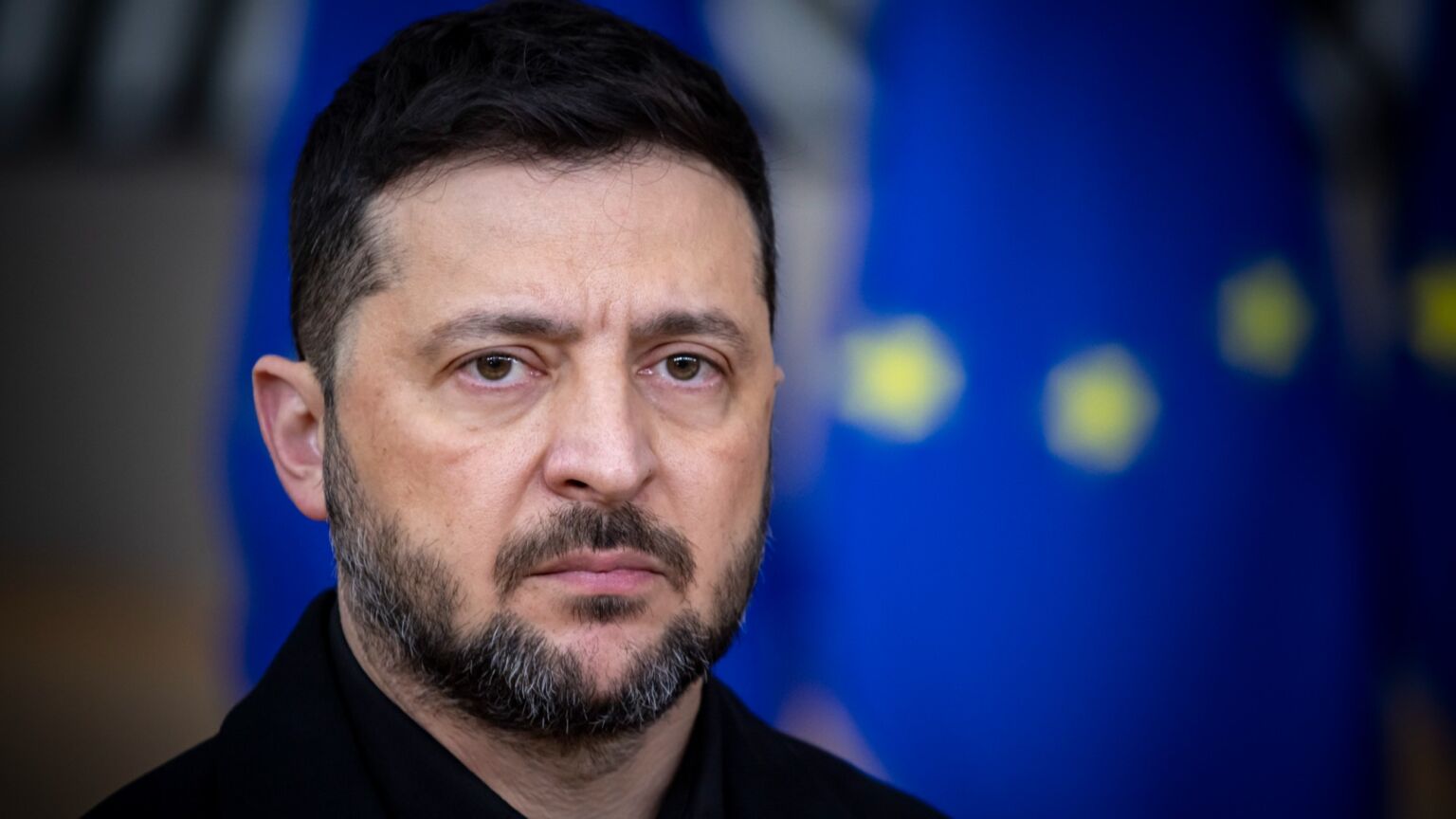
Ukraine is trapped between the neo-imperial aggression of Russia and the posturing impotence of the Europeans.
Want unlimited, ad-free access? Become a spiked supporter.
That yesterday’s US-Russia meet-up in Moscow did not advance the Ukraine peace negotiations was hardly a surprise, given Russian president Vladimir Putin’s comments beforehand.
Speaking just hours ahead of the confab, Putin was busy peddling Moscow’s preferred narrative. He painted Ukraine’s European backers as the ‘real’ warmongers. It is the Europeans, not Russia, he said, who are ‘on the side of war’. And that’s why, he continued, they are trying to ‘block the entire peace process altogether’ – by making demands in the revised US-driven peace plan that are ‘absolutely unacceptable’ to Russia.
After five hours of negotiations between US president Donald Trump’s special envoy, Steve Witkoff, and his son-in-law, Jared Kushner, on one side, and Putin and his aides on the other, those ‘absolutely unacceptable’ demands remained just that to Russia. Although the details of what was discussed remain opaque, we’re led to believe Russia’s objections to the revised peace plan centre on: Ukraine’s refusal to cede territory in the Donbas that it still holds; the limits on the size of Ukraine’s postwar military; the nature of the peacetime security guarantees to be given to Kyiv by its Western backers; and the ongoing refusal to rule out Ukraine’s future NATO membership.
For the time being, these seem like insuperable obstacles to peace. The demands of one side continue to be red lines for the other, and vice versa.
Still, it’s difficult not to scoff at Putin’s claim that it’s Ukraine’s European backers that are on ‘the side of war’, that are deliberately standing in the way of peace. This is Newspeak of epic proportions. It obscures the salient, undeniable fact that it was Russia that invaded Ukraine on 24 February 2022. That it was Russia that wanted to destroy a sovereign nation, and subject its 40million inhabitants to de facto Kremlin rule. That it was Russia that started this wretched war, and has continued to wage it mercilessly and at huge human cost for nearly four years.
Yet here’s the thing. Ukraine’s European allies may not be the warmongers here. They may not be the aggressors, the invaders, the occupiers. But they are not really helping Ukraine, either. They are not really aiding the resolution of this conflict. Instead, they are always upping the ante rhetorically, while consistently stepping back in practice. They continue to posture relentlessly against Russia, making pointlessly bellicose statements, while simultaneously demonstrating their geopolitical impotence at every turn.
This is international relations as theatre. Ukraine’s European backers stage set-piece summits on the sidelines, as they did at today’s NATO meeting, and issue vague grandstanding statements, promising to do ‘what it takes’ to put pressure on Moscow. They talk tough from afar, as British prime minister Keir Starmer did at PMQs today, boasting of their solidarity with Ukraine and determination to force Russia to make concessions. They also absurdly claim, as the leaders of Germany, France and Poland have all done recently, that Europe is ‘already at war’ with Russia.
Yet again and again their words ring hollow. They push Ukrainian president Volodymyr Zelensky, their windy verbiage at his back, towards the US-hosted negotiating table, talking up the complete defeat of Russia as if it’s a feasible objective. They pledge their unyielding support for Ukraine. All without any real substance to back it up. It’s a pose, a performance, a vainglorious attempt on the part of European elites desperately lacking in authority and purpose to manifest some semblance of both. Indeed, an attempt on the part of ruling cliques, loathed by their own domestic publics, to demonstrate something worth supporting on the international stage. And it is all so unserious.
Just look at the harsh truth of Europe’s support for Ukraine, the parlous reality of some of its pledges. There’s the much-vaunted ‘coalition of the willing’, the multinational military force that is supposedly ready to offer Ukraine protection and ‘security guarantees’ in the event of a peace deal. Many months ago, the likes of France and the UK were promising it would be a 100,000-strong military presence in or near Ukraine. That promise has now been downgraded to just 10,000 troops stationed in ‘areas that are still [to be] defined’, and given air cover from bases far away from Ukraine. That’s not going to guarantee the security of any nation.

Then, as the US draws down its financial support, there’s the protracted talk from the EU of continuing to fund Ukraine’s defence by expropriating some €165 billion in frozen Russian assets. A plan that would be sure to violate the very rules championed by Europe’s governing classes, the self-styled defenders of the international rules-based order. Despite claims today from the European Commission that it is pressing ahead with this plan – reassuring Belgium, the nation liable to be sued (and near bankrupted) by Moscow, that any bill will be covered by a convoluted loan scheme – there is more than a whiff of desperation emanating from Brussels here. A sense that without US aid and stolen Russian assets, Europe is unwilling and unable to really back Ukraine.
Perhaps most shocking of all is the fact that the EU, despite all the talk of hitting the Russian economy hard, has consistently spent more money on Russian fossil fuels than on financial aid to Ukraine. It’s true that Commission president Ursula von der Leyen has just announced ‘the dawn of a new era, the era of Europe’s full energy independence from Russia’ – a plan that, should EU member states agree, would reduce Russian fossil-fuel consumption in Europe to zero by 2027. Yet even in the unlikely event that this plan does get EU member-state backing, the shocking facts don’t lie. While the EU has given $73 billion in aid to Ukraine between February 2022 and February 2025, it has spent over three times that amount ($233 billion) on buying fossil fuels from Russia. In fact, NATO states as a whole may have given $236 billion to Ukraine, but they have spent $335 billion funding Russia’s war machine in order to meet their own energy needs.
Ukraine’s European allies are, then, not merely impotent; they have also been actively lining Moscow’s coffers. The disingenuousness of it all has really been quite something. They condemn Putin’s Russia as the reincarnation of Hitler’s Germany, while happily relying on it to keep Europe’s lights on. And these are supposedly Ukraine’s strongest, most steadfast supporters. With allies like this, who needs an aggressive neighbour?
Ukraine finds itself in a truly invidious position. It is increasingly trapped between the neo-imperial aggression of Russia and the posturing impotence of Europe. The US’s seeming determination to extract itself from this infernal war could soon leave Ukraine facing some grim decisions.
Tim Black is associate editor of spiked.
Support spiked and get unlimited access
spiked is funded by readers like you. Only 0.1% of regular readers currently support us. If just 1% did, we could grow our team and step up the fight for free speech and democracy.
Become a spiked supporter and enjoy unlimited, ad-free access, bonus content and exclusive events – while helping to keep independent journalism alive.
Monthly support makes the biggest difference. Thank you.

Comments
Want to join the conversation?
Only spiked supporters and patrons, who donate regularly to us, can comment on our articles.