Why are Lush and Amnesty celebrating ‘top surgery’?
A double mastectomy is not something healthy girls and women should be encouraged to aspire to.
Want unlimited, ad-free access? Become a spiked supporter.
Breasts are funny old things. Big, small, floppy, lopsided – they’re just part of being a woman. You don’t spend your days admiring them or celebrating them. In fact, you don’t think about them much at all. Until somebody says they might have to take one away. Or both. Then, suddenly, you discover you’re rather attached to them.
That was me this time last year. At 50, after my first routine mammogram, I was diagnosed with breast cancer. The prognosis was good, but my surgeon still had a serious discussion with me about the ‘M’ word. Initially, he wasn’t sure he could remove the cancerous area without removing a whole breast. Thankfully, I didn’t need a mastectomy. But half of one breast had to go – and that was traumatic enough.
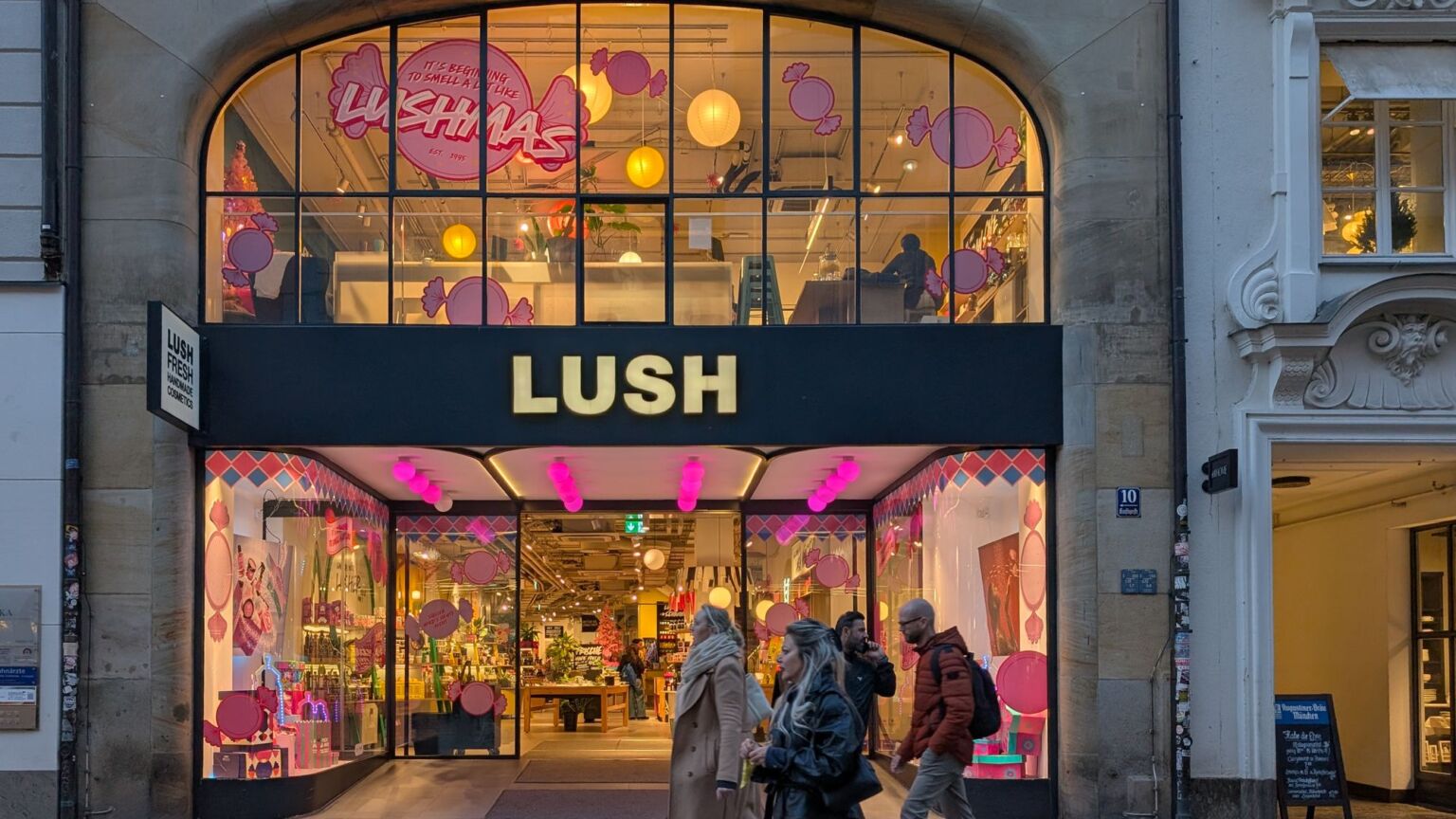
So I was genuinely taken aback when I heard about a window display in the Chelmsford branch of Lush featuring a cartoon tiger bearing mastectomy scars beneath the slogan ‘Proud of my stripes’. It turns out it wasn’t an isolated example. I’ve since been sent images of displays from the Amnesty Bookshop in Kentish Town and Pride campaigns run by local authorities featuring similar imagery.
Which made me wonder – when did the removal of healthy breasts become something to celebrate? For most of my life, a mastectomy was associated with illness, fear and loss. Women celebrated their survival, not the procedure that saved them. Yet somewhere along the line, breast removal itself appears to have become something to applaud.
I’d heard about ‘top surgery’ and seen glossy magazine spreads presenting mastectomy scars as symbols of survival, gender affirmation and bodily autonomy. I’d followed the storyline on the BBC’s hospital drama, Casualty, in which a non-binary character, Sar, was awaiting ‘top surgery’, while another character, Paige, was facing exactly the same operation after discovering she carried the BRCA mutation following her mother’s death from breast cancer. I understood the irony. Two women. Same operation. One called it ‘top surgery’. The other a ‘double mastectomy’.
But until I had breast cancer myself, I don’t think I truly understood the implications of that. Because ‘top surgery’ sounds oddly breezy. Quick and relatively painless – like having your legs or top lip waxed. ‘Mastectomy’, not so much.
Make something sound bright and affirming enough and people can lose sight of what is actually being discussed: the surgical removal of healthy body parts from women experiencing genuine distress. Put like that, it doesn’t sound empowering. It sounds tragic.
And, regardless of the reasons behind it, there is nothing glamorous about breast surgery. I was violently ill after my operation, suffered a severe allergic reaction and later developed an infection. None of which, I gather, is especially uncommon. Breast surgery is pretty hardcore. Nine months on, I still experience pain and stiffness around the surgery site and get random bouts of pain that can take my breath away. And I only had half a breast removed.
The reality is that most women don’t spend their lives wishing their breasts away. And women who lose their breasts through cancer generally want them back. Which is why many undergo gruelling reconstructive surgery to do so.
When I was contemplating my own potential mastectomy, I found myself reading about 12-hour operations, tissue taken from stomachs and thighs, and even women deliberately putting on weight in order to provide enough tissue to rebuild what disease had taken away. That’s why I struggle with the increasingly common claim that so-called top surgery is somehow ‘life-saving’ in the same way that mastectomies are for women with breast cancer or the BRCA mutation.
A woman with breast cancer is trying to survive a potentially life-threatening disease. A woman with the BRCA mutation is trying to prevent one. Neither is undergoing surgery to alleviate psychological distress. Of course psychological distress should be taken seriously. But there is a world of difference between acknowledging that and claiming that healthy breasts must be removed in order to prevent suicide.
The claims that serious surgical interventions prevent suicide among trans-identifying people are deeply misleading. The Cass Review found no good evidence that gender treatments reduce suicide risk. And nor have any comparable studies.
I have absolutely no doubt that women who have elective mastectomies to affirm an identity are unwell. But the idea that women experiencing gender dysphoria will die unless healthy breasts are surgically removed – despite the lack of good evidence – is baffling. The refusal to even entertain alternative ways of helping them is more bewildering still.
Lush, Amnesty International and other companies and organisations need to be challenged over their promotion of ‘top surgery’. They seem all too comfortable presenting imagery associated with breast removal as something empowering and affirming. There is nothing glamorous about breast surgery. It is serious, life-changing stuff. And not something healthy girls and women should ever be encouraged to aspire to.
Janet Murray is a freelance journalist and director of SEEN in Journalism.
You’ve hit your monthly free article limit.
Support spiked and get unlimited access.
Support spiked and get unlimited access
spiked is funded by readers like you. Only 0.1% of regular readers currently support us. If just 1% did, we could grow our team and step up the fight for free speech and democracy.
Become a spiked supporter and enjoy unlimited, ad-free access, bonus content and exclusive events – while helping to keep independent journalism alive.
Monthly support makes the biggest difference. Thank you.
Comments
Want to join the conversation?
Only spiked supporters and patrons, who donate regularly to us, can comment on our articles.