This is an anti-democratic attack on the independence of juries
Why a Palestine Action defence barrister was right to encourage jurors to act according to their consciences.
Want unlimited, ad-free access? Become a spiked supporter.
A defence barrister is facing contempt-of-court proceedings after allegedly inviting a jury to act according to their consciences. Rajiv Menon KC was acting for Palestine Action activists, who had been charged with aggravated burglary for damaging the property of Elbit Systems, an Israeli arms manufacturer, near Bristol in August 2024. During their first trial at Woolwich Crown Court in January, at which they were acquitted (although, in a re-trial this week, four people were convicted on lesser charges of criminal damage), the trial judge had ruled that the barristers could not invite the jury to disregard his legal rulings. He also directed them not to invite the jury to acquit ‘on the basis of their conscience’.
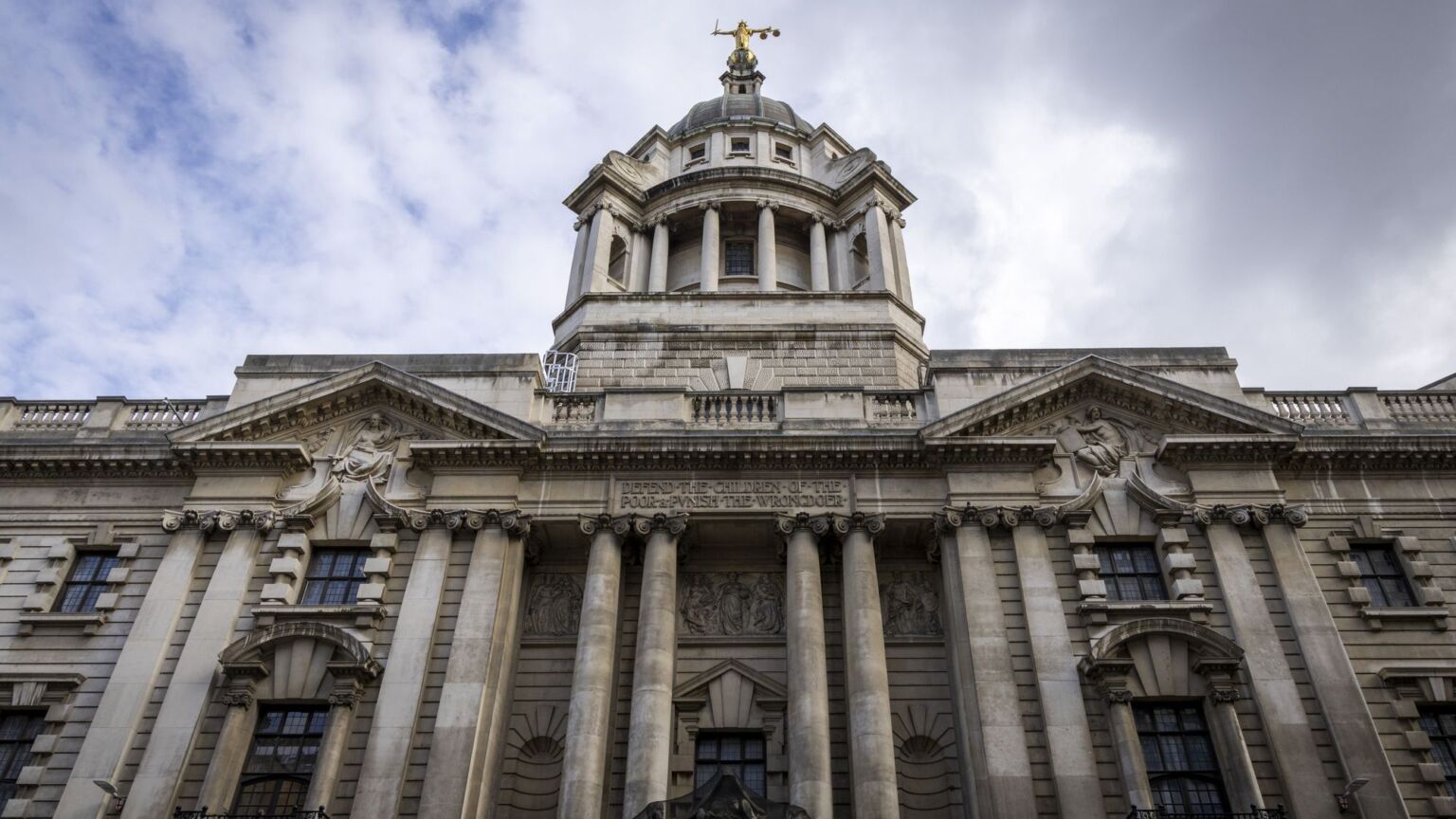
In his closing address in January, Menon allegedly told the jurors that they could acquit according to their conscience, relying on Bushell’s Case from 1670, which is ordinarily recognised as having established the independence of the jury. He quoted a plaque at the Old Bailey stating that Bushell’s Case ‘established the right of juries to give their verdict according to their convictions’.
There is, of course, nothing in our constitution that expressly protects the right of a jury to completely abandon the evidence. But juries can, and sometimes do, return verdicts that appear to cut against the evidence or the strict application of the law. This is possible because of a combination of legal rules and constitutional traditions that protect juries’ independence.
Bushell’s Case arose after a judge imprisoned a jury for refusing to return the verdict he wanted. There is plenty of argument about the applicability of that case to modern trials, but it at least established that jurors cannot be punished for their verdicts. It is also unlawful, because of separate rules, to enquire into the reasons for a jury’s decision. This means that even if we suspect that a jury has acted contrary to the evidence, there is no proper way to prove it. That combination of rules and traditions shows how hallowed the jury’s verdict is in our system.
That is a good thing. The whole point of a jury is to allow the wider community to participate in the justice system, free from the pressure of the institutions conducting the proceedings.
That is why these contempt proceedings are chilling. Without commenting on the individual case, lawyers should be able to draw a jury’s attention to its independence, the importance of its judgment and the fact that its verdict is ultimately its own. A jury should never be reduced to a rubber-stamping exercise. We should not be afraid of juries bringing the morals of wider society into the courtroom, including by refusing to convict where they cannot, in conscience, do so.
Juries have always brought morality into proceedings. In the United States, jurors famously refused to convict people accused of helping enslaved people escape – a practice widely thought to have contributed to the end of slavery. In England, during the 18th and 19th centuries, the criminal law made many offences punishable by death, including minor property crimes. This became known as the ‘Bloody Code’. Jurors frequently refused to convict defendants, thereby sparing them from the gallows.
More recently, juries have returned what look like perverse verdicts in cases involving political protest, free speech and the limits of criminal liability. These cases allow the black-letter law to be tested against public morality. That is not a defect in the jury system. It is one of its essential democratic functions.
So, solidarity with Rajiv Menon KC. The proceedings against him should concern anyone who believes that the justice system should remain democratically accountable through our juries.
Luke Gittos is a spiked columnist and author. His most recent book is Human Rights – Illusory Freedom: Why We Should Repeal the Human Rights Act, which is published by Zero Books. Order it here.

spiked summit 2026 – SOLD OUT
Saturday 27 June 2026
10am-6pm, Saturday 27 June
Emmanuel Centre, London, SW1P 3DW
With Lionel Shriver, Brendan O’Neill, Katharine Birbalsingh, Toby Young, Allison Pearson, Paul Embery, Tom Slater, Andrew Doyle, Fiyaz Mughal and more
The spiked summit has now SOLD OUT. To join the waitlist, email:
[email protected]
£80 or £50 for supporters
You’ve hit your monthly free article limit.
Support spiked and get unlimited access.
Support spiked and get unlimited access
spiked is funded by readers like you. Only 0.1% of regular readers currently support us. If just 1% did, we could grow our team and step up the fight for free speech and democracy.
Become a spiked supporter and enjoy unlimited, ad-free access, bonus content and exclusive events – while helping to keep independent journalism alive.
Monthly support makes the biggest difference. Thank you.


Comments
Want to join the conversation?
Only spiked supporters and patrons, who donate regularly to us, can comment on our articles.