How Viktor Orbán revived European conservatism
Hungary’s ‘bad boy’ prime minister has been a consistent thorn in the side of the EU’s liberal hegemony.
Want unlimited, ad-free access? Become a spiked supporter.
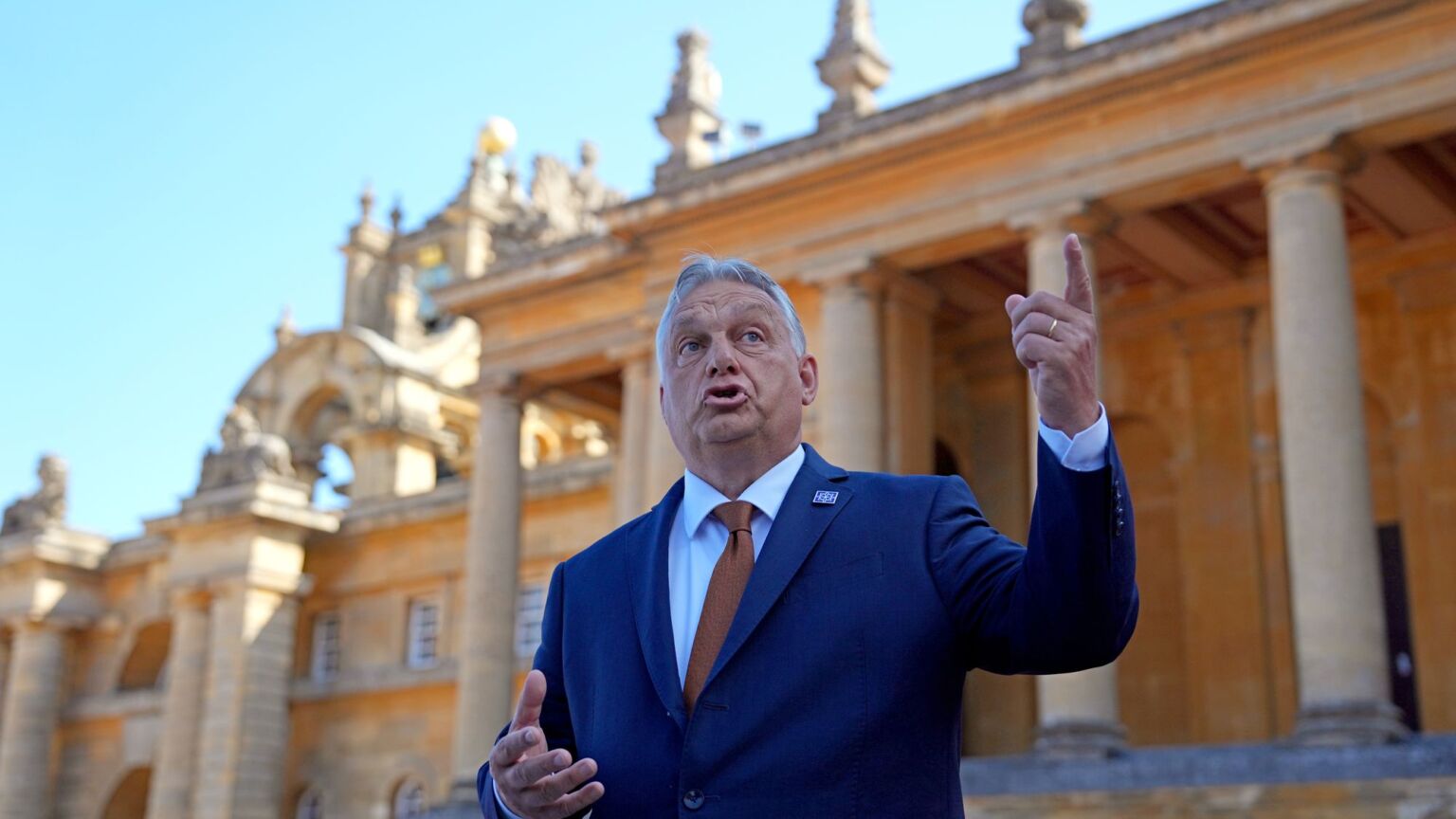
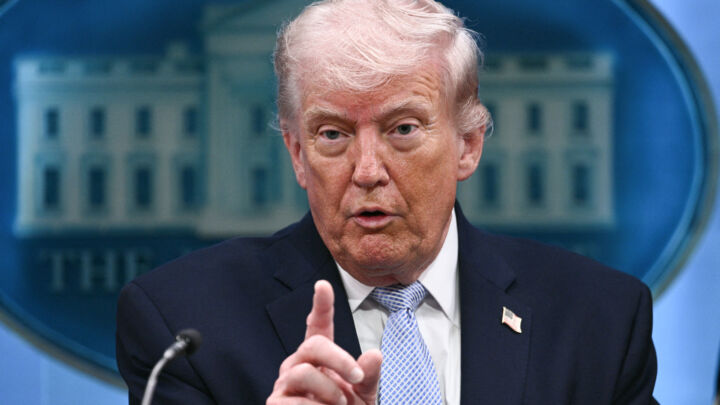
General Elections in former Eastern Bloc countries don’t normally make headline news in Britain. Hungary, however, is an exception, and the re-election campaign of prime minister Viktor Orbán is being covered widely across UK media. Orbán, the ‘bad boy of Europe’, is fighting to win a consecutive fifth term in office as Hungarians head to the ballot box on Sunday. If the opinion polls are to be trusted (and there are reasons why they shouldn’t be), Orbán and his Fidesz party are on course to lose to Péter Magyar, leader of the opposition Tisza party.
Why does this matter? Hungary is a small, land-locked country of just 10million people, with limited natural resources. Yet politically, Hungary punches well above its weight, becoming a big player in Europe and across the West, thanks to the long and controversial leadership of its prime minister.
Orbán had a brief spell in office in the 1990s, but on his return to power in 2010, he set about reforming the Hungarian constitution in line with robust conservative principles. While the rest of the West was accelerating towards ‘peak woke’, the Hungarians were writing into law that marriage is between one man and one woman. Years ahead of his international counterparts, Orbán recognised that collapsing birth rates are a threat to the future of European civilisation, and began to offer generous tax breaks and cash incentives to couples who get married and have children.
We have become grimly accustomed to social conservatives being painted as ‘far-right fascists’, and these labels have lost a lot of their power over the past two or three years. But back in the 2010s, when these accusations began to be thrown at Fidesz, Orbán was rapidly blacklisted by the liberal West. As recently as 2020, then Conservative MP Daniel Kawczynski was threatened with losing the Tory whip after sharing a platform with Viktor Orbán at a conference in Rome.
Orbán’s social policies are not the only cause of his bête noire status. On immigration, the Hungarian prime minister was again ahead of the curve, responding to the 2015 mass migration crisis by building a 175km-long, 4.5m-high fence along the border with Serbia. His government reduced asylum claims from nearly 180,000 in 2015 to just 45 in 2022. He secured overwhelming domestic democratic consent for his ‘no migration’ policy, yet the EU responded not with thanks for protecting European borders but by imposing a €1million daily fine on the Hungarian government and, by extension, its people. For Orbán, migration control is not just essential for security but also to conserve Hungarian Christian culture. Last month, speaking to me for GB News in his first-ever British television interview, Orbán told me that Muslims ‘have their own place and this place is definitely not Hungary’. He has a habit of saying out loud what few European leaders would dare even to think, and such boldness has won him few friends among the Brussels elites.
The EU has longstanding concerns about the freedom of the Hungarian press, after Orbán moved to ban foreign media ownership. And corruption allegations – particularly surrounding the awarding of government procurement contracts to close associates of Fidesz – are a concern to many inside and outside of Hungary.
But perhaps Orbán’s most contentious stance – and the reason so many in Brussels are desperate for him to lose – is over the war in neighbouring Ukraine. Since the Russian invasion in 2022, Orbán has refused to send weapons or financial aid to the Ukrainian front line (though humanitarian assistance has been forthcoming), maintaining that Ukraine cannot win the war without NATO troops on the ground, and so the funding of the conflict by Western nations is just prolonging the killing. The Orbán government is now vetoing the latest EU €90 billion aid package to Kyiv, an obstacle that many in Brussels hope will be removed by the PM’s defeat on Sunday.
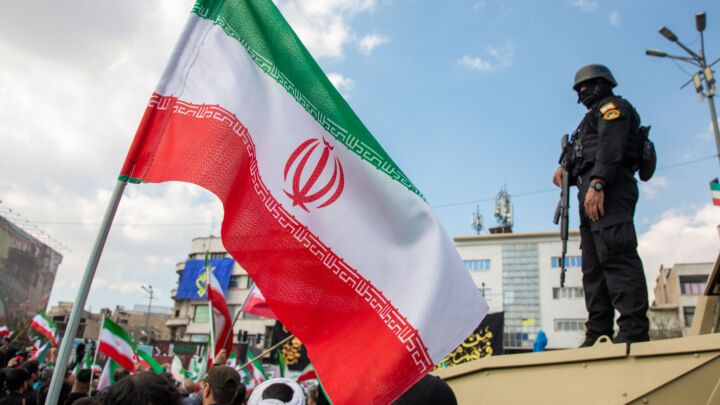
Fidesz claims that if Orbán loses on Sunday, there will be nothing stopping the EU ‘war-mongers’ from further prolonging the conflict, and that Tisza’s Péter Magyar will prove a soft touch on immigration.
This election is hugely consequential for our continent: if Orbán and Fidesz are kicked out of office, Europe’s growing band of patriot parties will lose their de facto leader, decapitating the resistance against the EU’s liberal hegemony. Orbán has made his mark not only as an ‘action man’, but also for incubating the global national-conservative movement, thanks to the network of conservative institutions that has sprung up in Budapest during his tenure. This has been foundational in the development of many MAGA figures, including JD Vance, who travelled to Hungary this week.
Perhaps inevitably for such a high-stakes election, the campaign has become increasingly dirty with accusations of vote-rigging and foreign interference on both sides. This Hungarian election would give a Hollywood movie a run for its money, with a plot featuring sex tapes, drone attacks, wire-tapping and even the seizure of a truck full of gold bars. There seems little point in consulting the opinion polls. Tisza-aligned studies put the opposition 20 points ahead, while Fidesz claims a five-point lead in the government’s favour. Philip Pilkington, senior research fellow at the Hungarian Institute of International Affairs, told me this week that he believes the opposition is priming its supporters to delegitimise the result in the case of an Orbán victory. Well, we don’t have long to find out.
Whatever the result, Viktor Orbán’s legacy will be significant. I had the privilege of spending an hour with Orbán for the GB News interview, and was deeply impressed not only by his knowledge and understanding of politics and world events, but also his grasp of history, philosophy and religion. I found him warm, humble and candid, and it was particularly noticeable how he took time to introduce himself to and thank every member of the production team before the cameras started to roll. Orbán is often labelled ‘Europe’s Trump’, but while the two men’s policies may have much in common, their personalities couldn’t be less alike. Agree with him or not, Orbán is a man of intelligence, learning, consistency and deep faith, who inspires loyalty and commitment from those around him. After watching the interview, one of my relatives – whose only prior knowledge of Orbán came from reading British newspapers – asked how he could have been portrayed as such a monster.
Whatever the result of Sunday’s election, European conservatives have much to thank Viktor Orbán for. His warnings on immigration, birth rates and civilisational decline may yet prove to be critical for European renewal. Britain’s own politicians could also learn a thing or two from Orban’s courage and consistency, two virtues currently in short supply in Westminster.
Miriam Cates is a GB News presenter, senior fellow at the Centre for Social Justice and a former Conservative MP.
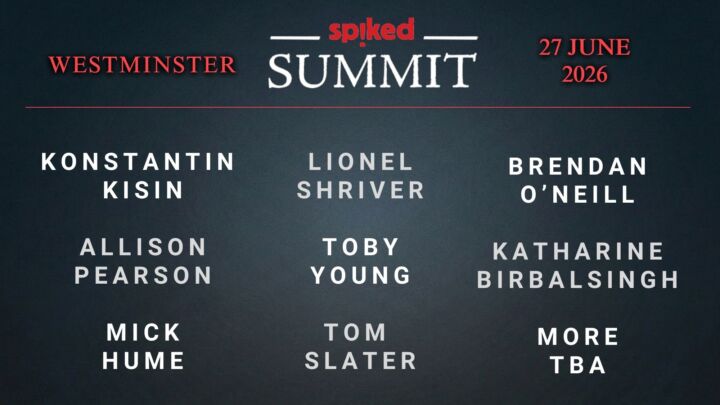
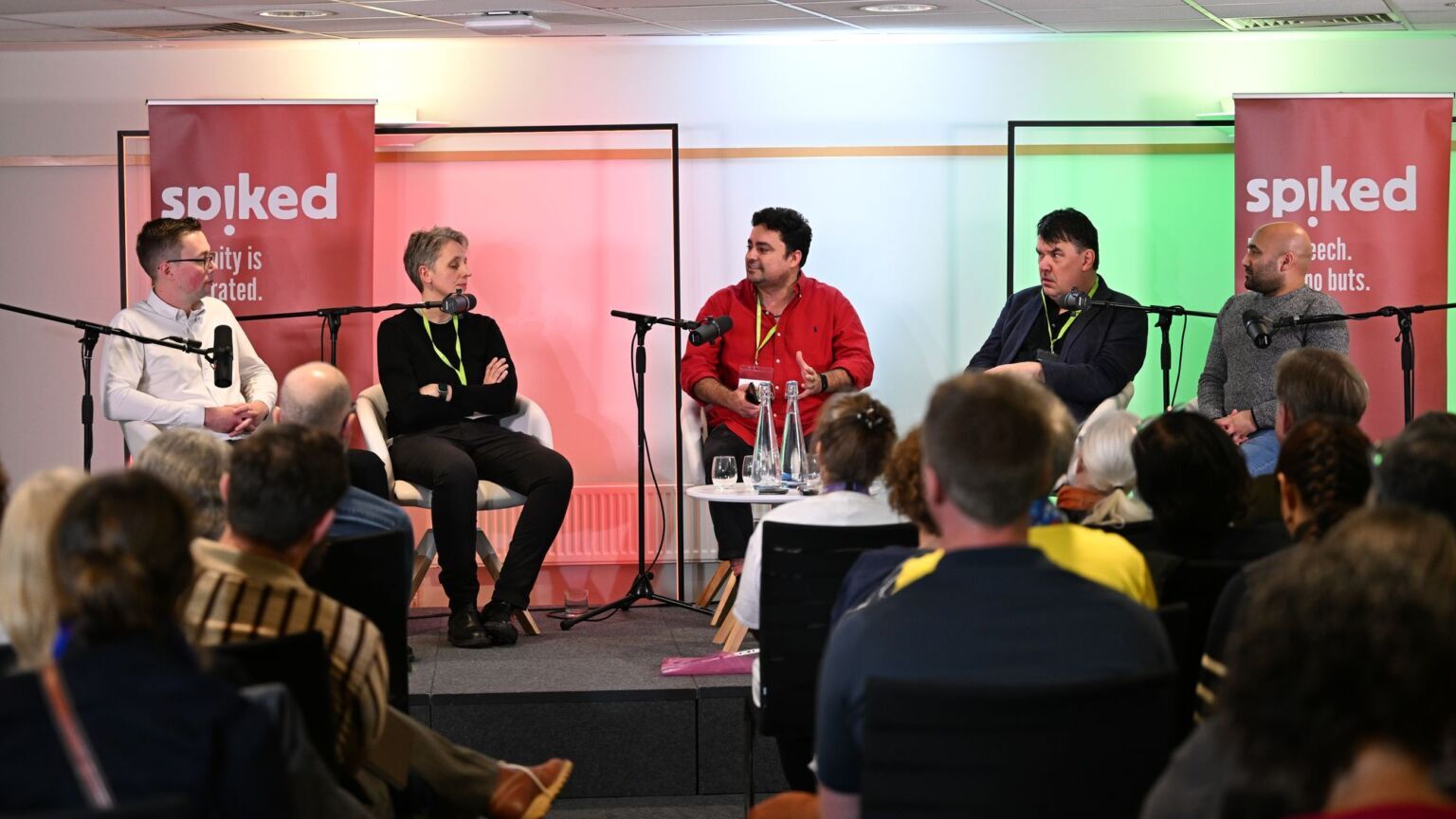
spiked summit 2026
10am-5pm, Saturday 27 June
Emmanuel Centre, London, SW1P 3DW
With Konstantin Kisin, Lionel Shriver, Brendan O'Neill, Katharine Birbalsingh, Toby Young, Allison Pearson, Tom Slater and more
Become a spiked supporter to get a discounted ticket
£80 or £50 for supporters
You’ve hit your monthly free article limit.
Support spiked and get unlimited access.
Support spiked and get unlimited access
spiked is funded by readers like you. Only 0.1% of regular readers currently support us. If just 1% did, we could grow our team and step up the fight for free speech and democracy.
Become a spiked supporter and enjoy unlimited, ad-free access, bonus content and exclusive events – while helping to keep independent journalism alive.
Monthly support makes the biggest difference. Thank you.
Comments
Want to join the conversation?
Only spiked supporters and patrons, who donate regularly to us, can comment on our articles.