‘Assisted death will change everything’
Kathleen Stock on how the assisted-dying bill will turn death into a ‘solution’ for physical frailty.
Want unlimited, ad-free access? Become a spiked supporter.
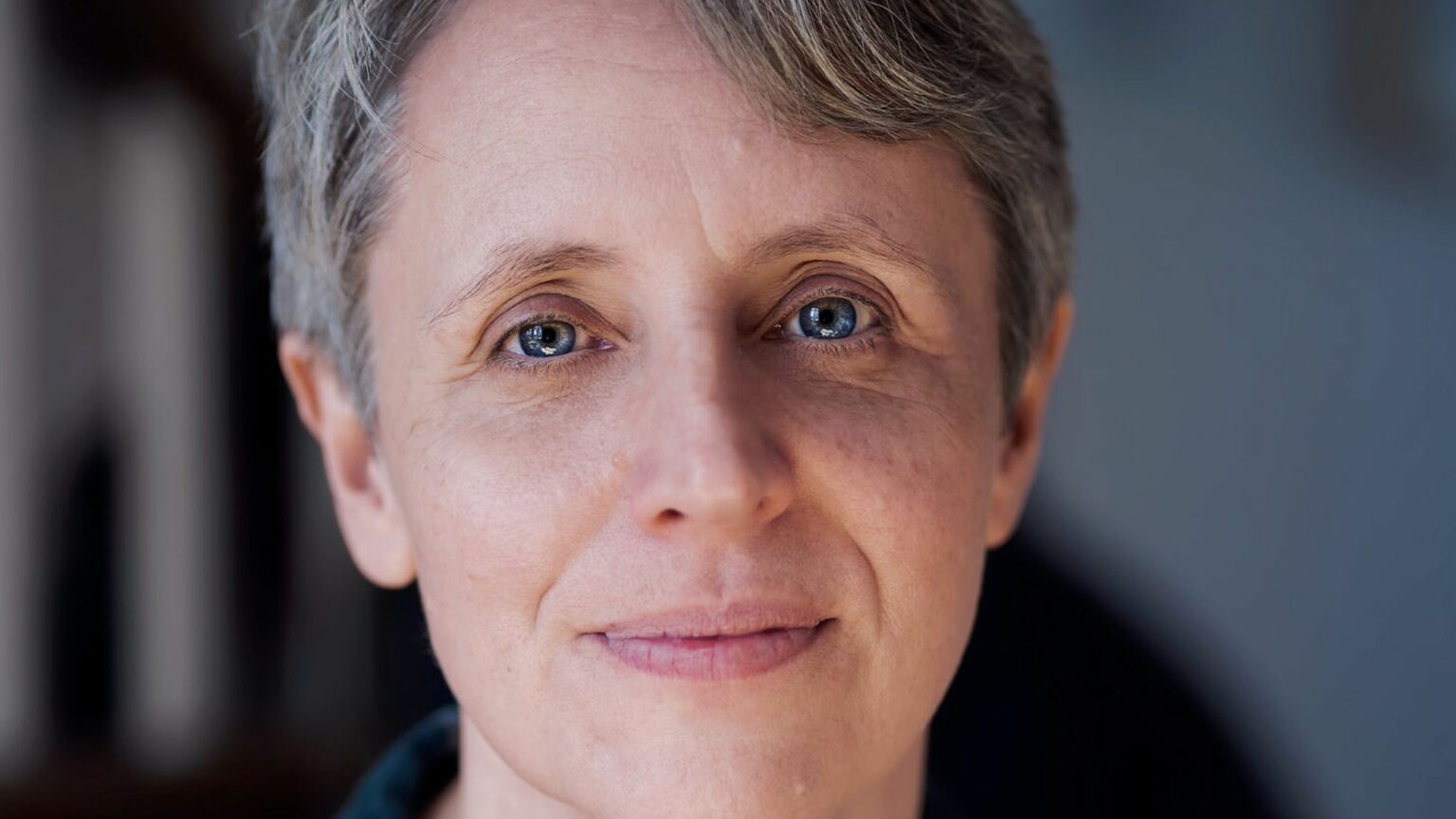
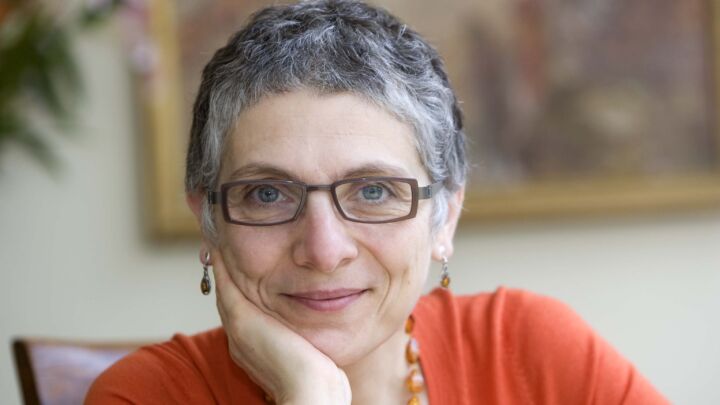
Assisted death is presented by proponents as ‘compassionate’ and ‘progressive’. Establishing a ‘right to die’ will give people ‘control’ over their final moments and enhance their autonomy, we’re always told. Yet according to philosopher Kathleen Stock, this fuzzy, feel-good portrayal of assisted death is essentially the opposite of the truth. Labour MP Kim Leadbeater’s Terminally Ill Adults (End of Life) Bill, Stock warns, will lead to the institutionalisation of death, should it be passed in parliament. The most vulnerable in society – primarily the elderly and disabled – will be pressured and coerced into accepting an early death.
Stock recently returned to The Brendan O’Neill Show to discuss her new book, Do Not Go Gentle: The Case Against Assisted Death. What follows is an edited excerpt from that conversation. You can watch the full thing here.
Brendan O’Neill: Was there a particular moment that made you think: ‘I need to write this book’?
Kathleen Stock: Yes, there was a definite moment. It was when Kim Leadbeater’s bill suddenly appeared out of the blue. It’s a private member’s bill, and Keir Starmer was making noises as if he might support it. People were talking as if it were a done deal. I felt incredibly angry and depressed, because I didn’t believe that kind of legislation had any chance here in the UK, and suddenly it looked like it did. When it passed its second reading in the Commons, I was floored. I think it was six months after that when I pitched the book and wrote it. It was a really intense period of feeling like I had to do something – much like the last time I felt compelled to speak up.
O’Neill: You mentioned in the book that there are already various systems of assisted dying in other countries around the world. Why were you surprised that something like that could happen in Britain?
Stock: I was naive. In retrospect, we were actually ripe for it – and probably still are – because we have so many failed institutions.
Whenever these bills come in, there’s little proper discussion before the legislation suddenly arrives in parliament. It usually gets waved through like it’s a done deal. Superficial ‘progressives’ present this seismic societal change as if it’s purely positive. We’re told it affects only a few people, but is also – somehow – enormously important. The rhetoric around assisted dying echoes earlier battles, like the gender debate. The way language has been changed is similar, too. Words are redefined or avoided to make these ideas seem more palatable.
I thought people would see the consequences. Introducing deliberate death – suicide or euthanasia – into the NHS gives doctors the power to administer lethal drugs. That changes things on multiple levels. But the discussion focusses on rosy, individual scenarios instead of looking at the structures involved. That’s what really concerned me.
O’Neill: How do you respond to the objection that you just want people to have a long, horrible death?
Stock: I like to think almost everyone in this debate is motivated by compassion. My critics want to end suffering, and I respect that. We just differ on the best institutional means to achieve it. Killing someone isn’t the only solution – the best solution is palliative care. The hospice movement in Britain has been a jewel in our health system’s crown, though it’s underfunded.

For someone stuck in an overcrowded hospital, a quick death may seem the best option. But the question for lawmakers should be what society does, not what an individual does. We can fund better end-of-life care and educate the public so people don’t feel that poisoning by a doctor is the only option. Accusations of cruelty roll off me. I know I’m not heartless, and I’m going to keep speaking out.
O’Neill: Palliative care is arguably one of the most important forms of care at the end of life. Is this concept now under threat?
Stock: Palliative care is unglamorous because medicine celebrates miracle cures over managed decline. But there are quiet miracles in palliative care: a calm, pain-free death is one of them. We have sophisticated medications for all kinds of troubles, and palliative specialists understand dying better than ever. Yet the public knows little about this, and hospices are mostly funded by charity.
Assisted death undermines this system. Whenever it’s introduced, there may initially be a small boost for palliative care, but in the long term, its development slows – sometimes three times slower than it would have without assisted death. Economic pressures and reliance on assisted death could take us into very dark places in the future.
O’Neill: What does the introduction of assisted death do to society?
Stock: It changes everything. If it becomes socially acceptable to end one’s life, it also becomes acceptable for relatives or doctors to raise the idea. Gradually, over decades, society could see it as a sanctioned, funded solution for elderly people. Older individuals will need enormous self-confidence to resist feeling like a burden, especially in an economic crisis or an era of demographic shifts.
In countries like Canada, people receive terminal diagnoses for conditions like frailty – general physical decline, not even a specific disease. This is something that happens to us all. In care homes, if some residents opt for assisted death, it isn’t far-fetched to believe that this will affect the atmosphere and choices of others. I can imagine these outcomes very clearly, but I’m not so convinced that others have thought it through – particularly what this will mean for the universal experience of becoming old.
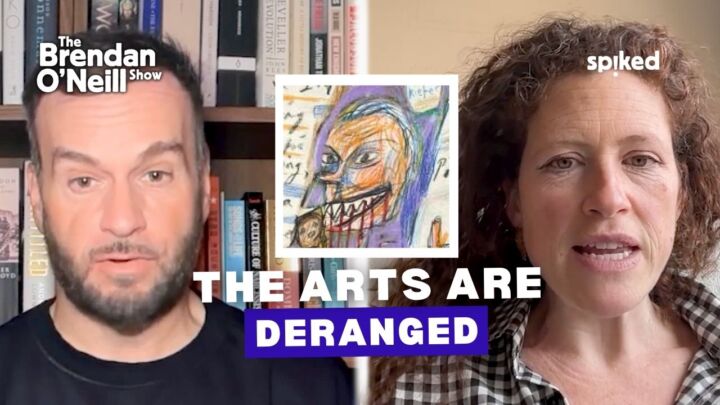
Kathleen was talking to Brendan O’Neill. Watch the full conversation here:
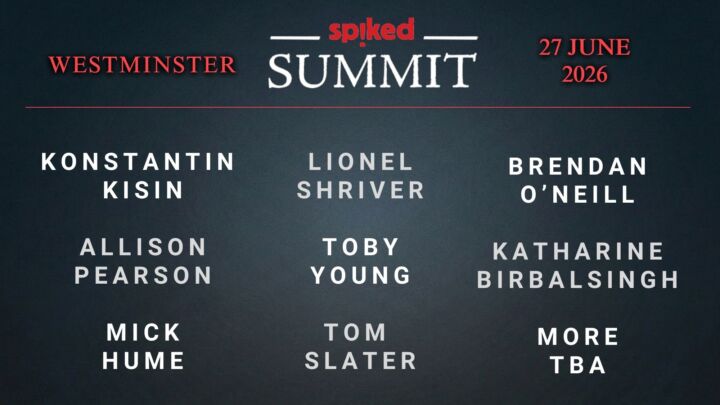
spiked summit 2026
10am-5pm, Saturday 27 June
Emmanuel Centre, London, SW1P 3DW
With Konstantin Kisin, Lionel Shriver, Brendan O'Neill, Katharine Birbalsingh, Toby Young, Allison Pearson, Tom Slater and more
Become a spiked supporter to get a discounted ticket
£80 or £50 for supporters
You’ve hit your monthly free article limit.
Support spiked and get unlimited access.
Support spiked and get unlimited access
spiked is funded by readers like you. Only 0.1% of regular readers currently support us. If just 1% did, we could grow our team and step up the fight for free speech and democracy.
Become a spiked supporter and enjoy unlimited, ad-free access, bonus content and exclusive events – while helping to keep independent journalism alive.
Monthly support makes the biggest difference. Thank you.




Comments
Want to join the conversation?
Only spiked supporters and patrons, who donate regularly to us, can comment on our articles.