Confessions of a homonationalist
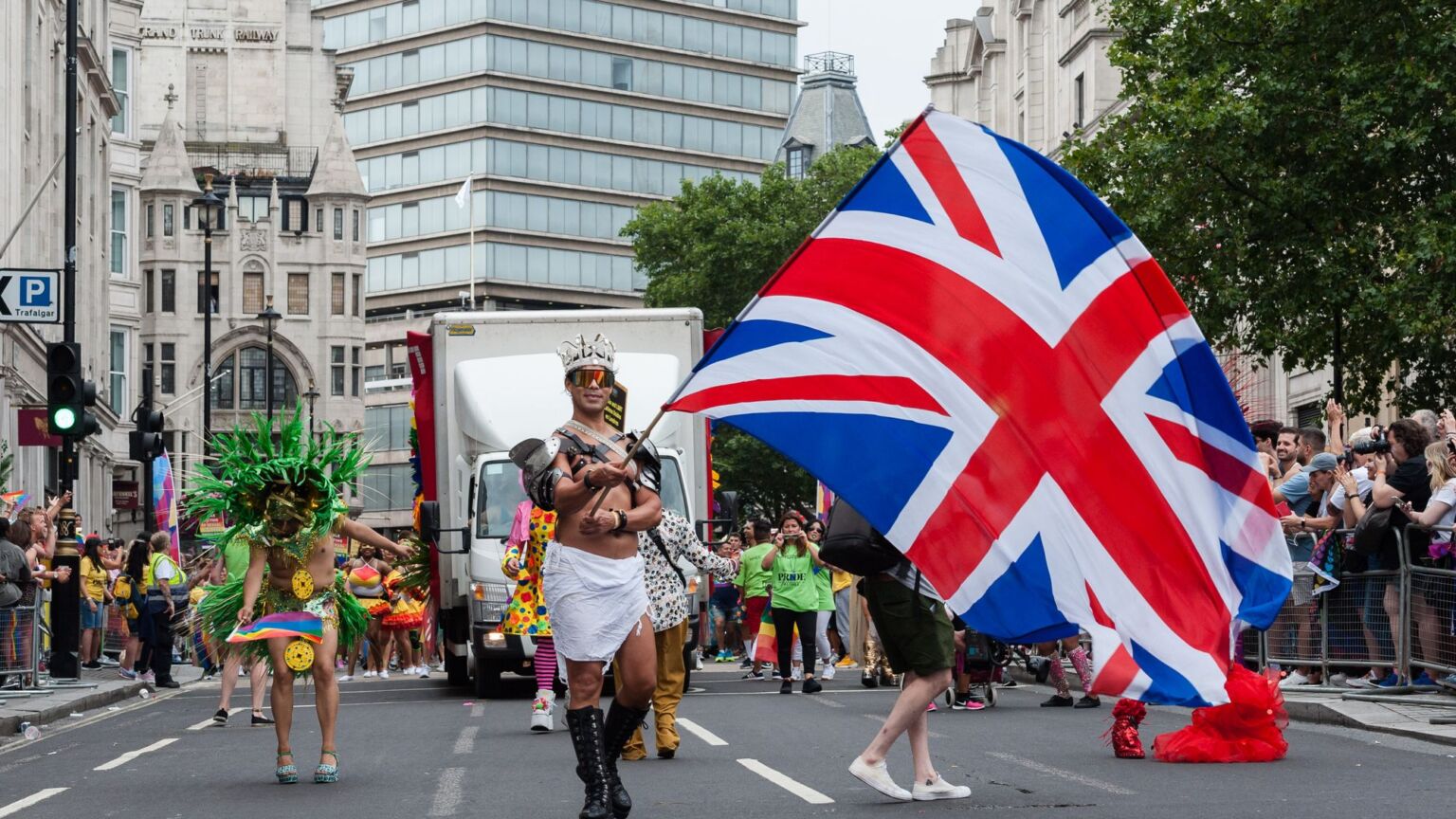
Gays have been pushed rightward by an irrational, intolerant left.
Want unlimited, ad-free access? Become a spiked supporter.
I agree with much of spiked’s recent article on the rise of ‘homonationalism’. The phenomenon it describes is real. More gay people are drifting away from the political left and ending up somewhere we were never supposed to be. But what does that shift feel like from the inside? Because most of us didn’t wake up one morning and decide to move right. We were pushed.
A recent poll showed Reform UK leading among gay and bisexual men. The only people surprised were those who still imagine gay voters as a permanently progressive bloc. If you spend time around gay men anywhere from Dublin to Berlin, the same mood shift is hard to miss.
Gay men are beginning to push back against the idea that our politics is already decided for us. Because at some point, the movement stopped defending homosexuality and began redefining it. Same-sex attraction was rebranded as same-gender attraction, stripping it of all meaning. Men could become lesbians.
I didn’t notice immediately. My first doubts weren’t ideological. They were social. Things just stopped making sense. I asked ordinary questions. Nothing confrontational. Just the sort of questions you ask when reality and language start growing further apart. But disagreement was never answered, it was corrected. ‘Educate yourself’ appeared less as advice than a warning.
So I educated myself. And the more I did, the less at home I felt among people who claimed to represent me. Increasingly, being gay came with conditions. Acceptance increasingly depended on editing parts of yourself down into something safer. But that was the line I refused to cross.
A couple of weeks after JK Rowling’s now infamous 2019 tweet, in which she put her gender-critical cards squarely on the table, I was drinking with a group of gay men. Her name came up in conversation and I realised fairly quickly I was the only person at the table who agreed with her. Not because I wanted to be provocative. She had simply put into words something I had already been thinking for a long time.
I tried explaining my view. But what followed wasn’t disagreement. I was called every name going. My opinion stopped being something to debate, and instead became something wrong with me. Later, a close friend told me I had humiliated him in front of his mates because of my ‘bigotry’.

This was long before I spoke publicly about any of this, or even came to the conclusions I have now. I wasn’t political or some kind of activist. I was just a normal guy discovering there were opinions you weren’t allowed to hold out loud.
I later co-founded Ireland’s only LGB organisation, Not All Gays, and began speaking publicly. At that stage, the door back was still technically open. All I had to do was apologise. Renounce my views. Admit I’d been misled. Promise rehabilitation. We all know how that script works: denounce yourself and you’re welcomed home.
The door only really began to close when I committed the unforgivable offence of speaking to people I had been told were monsters. One of them was Maria Steen, a barrister and conservative campaigner who opposed gay marriage in 2015. A decade earlier, I would have disagreed with her on almost everything. Last year, I supported her bid to become Irish president, not because history disappeared, but because reality moved on while many people remained permanently frozen in a past argument.
The backlash was immediate. The same insults, accusations and bizarre denouncements from strangers. But, even then, the door wasn’t locked. It locked later, when the messages began arriving.
Gay men from across Ireland wrote to me privately to say they agreed with me, but could never say so publicly. They feared fallout from friends and in workplaces, and damage to their reputations. These were the consequences of having a different opinion.

That was when I realised I could never go back to a space where acceptance depended on constant self-censorship. Living like that would feel no different from being told to act less gay or to soften my accent. And once the door locked, things became freer. Exile turned out to be liberating.
Much of what gets labelled ‘homonationalism’ begins with that exile. The contradictions within the ‘progressive’ worldview become impossible to ignore after that. We are told homosexuality is innate and immutable, something we are born with and cannot change. Fair enough. But then we are expected to hold no judgement about belief systems and cultures where homosexuality remains criminalised or punishable outright. ‘Progressive’ politics has no difficulty criticising Christianity, nationalism or Western culture for the historic treatment of gays. But when the same hostility appears elsewhere in today’s world, they stop speaking and start singing Kumbaya. Not all homophobia is equal.
Large-scale immigration brings people from societies where attitudes toward homosexuality differ dramatically from those in Western Europe. You can pretend cultural conflicts don’t exist if you like. That’s easy when you’re not the one dealing with them. Everyone else is simply expected not to mention it.
If your opinion needs approval from the rainbow table before you feel safe saying it aloud, that isn’t freedom. It’s a different kind of closet. Ironically, the freedom once promised by progressive politics is now often found outside the movement built in our name.
‘Homonationalism’ is not an organised ideology or underground Gaystapo. It is what happens when men who are attracted to men grow tired of negotiating permission to state obvious truths. Most of us did not move right through ideological conversion. We were pushed there. The door closed behind us. And somewhere along the way, I realised I wasn’t trying to get back in anymore.
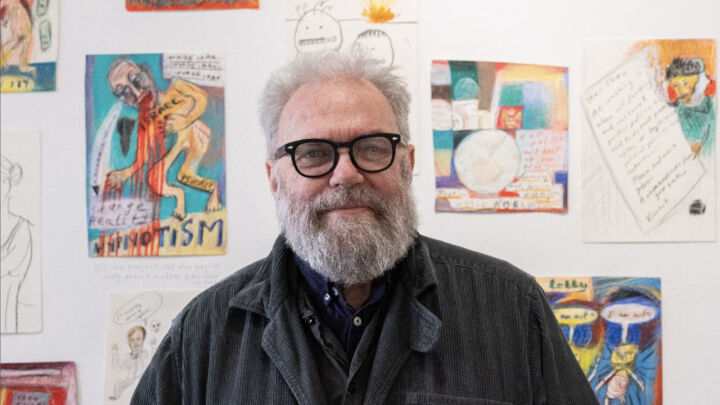
Seán Atkinson is the former vice-president of Not All Gays.
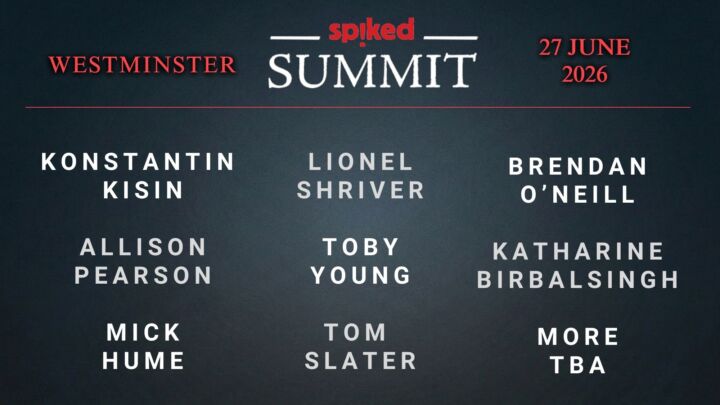
spiked summit 2026
10am-5pm, Saturday 27 June
Emmanuel Centre, London, SW1P 3DW
With Konstantin Kisin, Lionel Shriver, Brendan O'Neill, Katharine Birbalsingh, Toby Young, Allison Pearson, Tom Slater and more
Become a spiked supporter to get a discounted ticket
£80 or £50 for supporters
You’ve hit your monthly free article limit.
Support spiked and get unlimited access.
Support spiked and get unlimited access
spiked is funded by readers like you. Only 0.1% of regular readers currently support us. If just 1% did, we could grow our team and step up the fight for free speech and democracy.
Become a spiked supporter and enjoy unlimited, ad-free access, bonus content and exclusive events – while helping to keep independent journalism alive.
Monthly support makes the biggest difference. Thank you.


Comments
Want to join the conversation?
Only spiked supporters and patrons, who donate regularly to us, can comment on our articles.