The new age of the foreign mercenary
Ageing societies are increasingly turning to non-native soldiers to fight their wars.
Want unlimited, ad-free access? Become a spiked supporter.
The world is rearming. In 2024, global military expenditure grew by its fastest rate since the end of the Cold War, reaching $2.7 trillion. That marked a 37 per cent increase since 2015.
Against the background of Russian aggression in Ukraine, European countries have increased defence expenditure by 17 per cent since 2017. Germany alone boosted its defence spend by 28 per cent between 2023 and 2024. And it’s set to continue rising, too. Since these figures were finalised, the EU has published its ReArm Europe Plan 2030, and European NATO members have committed to spending 3.5 per cent of GDP on defence by 2035, up from roughly two per cent at the moment.
In Asia, China has been increasing its defence spend by seven per cent annually for several years. After decades of pursuing a pacifist foreign policy, Japan increased its defence spending by more than 20 per cent in 2023. South Korea and Taiwan have been increasing their own defence budgets, too.
Though all of these countries, excepting South Korea, are currently at peace, they all increasingly expect to fight a war in the near future. European leaders fear the war in Ukraine will engulf the rest of Europe, while China’s desire to extinguish Taiwanese independence is expected to draw in not only the US, but also Japan.
Yet there is a problem here. While developed nations are investing in military hardware, they increasingly lack the manpower for any future, high-intensity conflict. They could employ conscription, but these are also ageing societies. They have shrinking youth cohorts – the very demographic historically relied on in high-intensity conflict.
At the margins of the war in Ukraine, we can see how the two sides are trying to cope with this reality – through the recruitment of foreign soldiers.
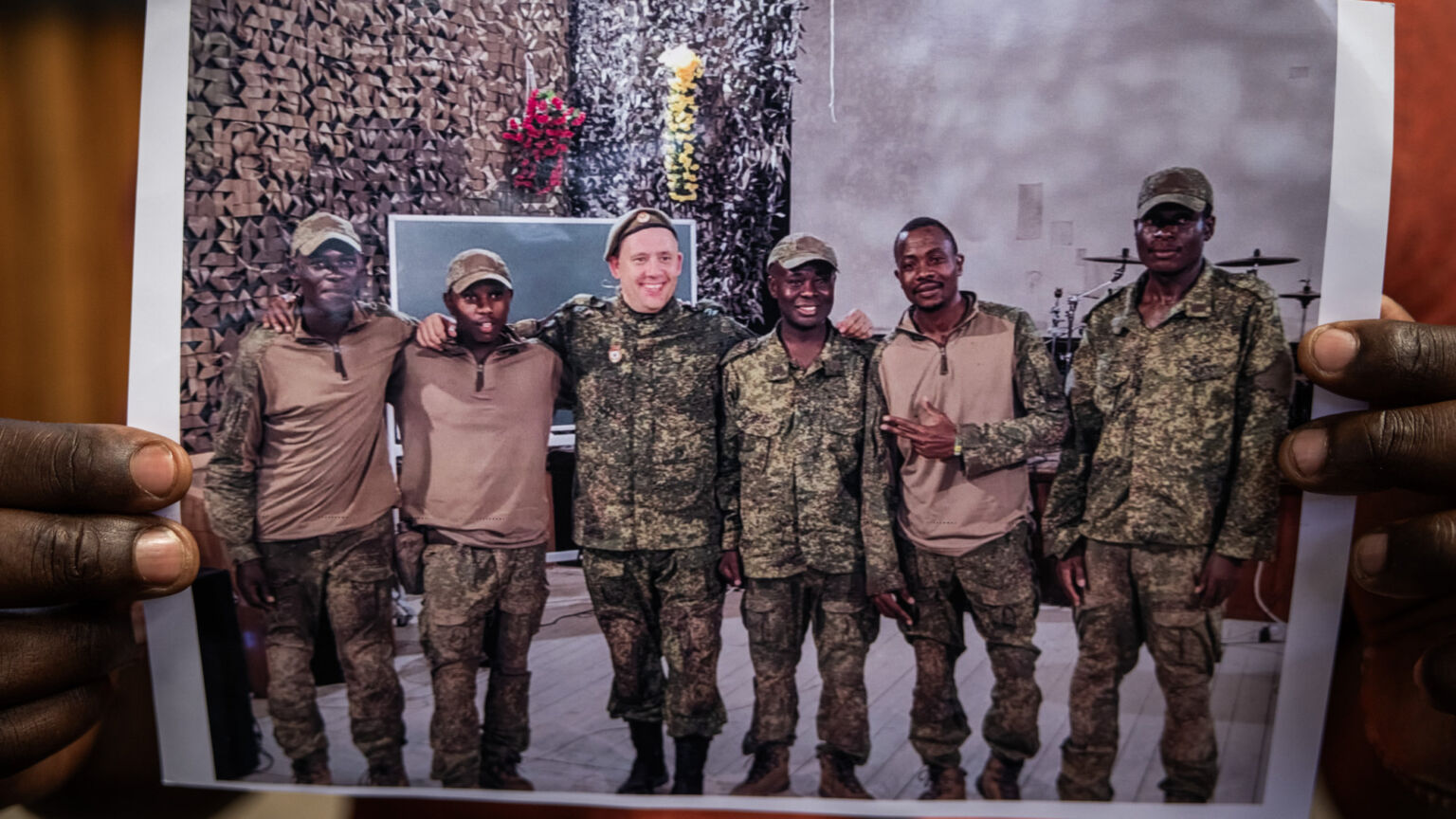
As countless news reports have shown, Russia is recruiting thousands of men from Africa, Asia and Latin America. Sometimes these recruits are lured to Russia for work before they’re then sent to the frontlines. In other instances, recruitment is direct, with citizens of African and Asian countries contacted via social-media apps, such as Telegram. Ukrainian intelligence estimates there are 18,000 foreigners fighting for Russia from as many as 128 countries.
Foreign fighters are present among Ukrainian forces, too, though in the main for non-mercenary reasons. Several thousand Brits, Poles, Americans and Canadians have been motivated to sign up out of a sense of solidarity with Ukraine in the face of Russian aggression.

Yet there are also reports that South Americans now represent around 40 per cent of foreign fighters serving in Ukraine’s armed forces. There are 2,000 soldiers from Colombia alone. While some of these Latin American recruits may well support the cause of Ukraine, reports suggest that pay is the crucial driver.
It’s important not to overstate the significance of their involvement. Foreign volunteers have always been involved in large-scale wars. And the overwhelming majority of combatants remain citizens of either Russia or Ukraine. But nevertheless the recruitment reflects the demographic strain this sustained, high-intensity war has imposed on two nations with ageing populations.
Before Russia’s 2022 invasion, Ukraine’s fertility rate stood at around 1.2 births per woman. Russia’s was only marginally higher, at around 1.4. The median age in both countries was roughly 40. This is a major, high-casualty war fought by middle-aged societies.
The Ukraine conflict offers us a glimpse into how wars among the advanced, re-arming economies of the West may be fought in the future: the marrying of the technological and financial capabilities of rich countries with labour pools from less wealthy parts of the world.
After all, the states currently preparing for great-power conflict are capital-rich but youth-poor. They are among not only the richest and most technologically advanced nations in history but also the oldest. Meanwhile, the largest reservoirs of young men are in Africa and Latin America. This already shapes migration and labour markets – it may well become a grim feature of future wars, too.
One of the many legacies of the French Revolution was the idea of the ‘citizen soldier’ and the nation under arms. It would be too much to say this inheritance is now gone – Ukrainians are currently demonstrating the ongoing importance of the ideal of the citizen soldier in their fight for national survival.
But at the margins of this war, we can see how the demographic foundations of that model of national self-defence are under strain. The implications could transform the face of future wars.
Tom Bailey is a writer based in London.
You’ve hit your monthly free article limit.
Support spiked and get unlimited access.
Support spiked and get unlimited access
spiked is funded by readers like you. Only 0.1% of regular readers currently support us. If just 1% did, we could grow our team and step up the fight for free speech and democracy.
Become a spiked supporter and enjoy unlimited, ad-free access, bonus content and exclusive events – while helping to keep independent journalism alive.
Monthly support makes the biggest difference. Thank you.



Comments
Want to join the conversation?
Only spiked supporters and patrons, who donate regularly to us, can comment on our articles.