The British state treats its adults like children
From smoking bans to arrests over tweets, the UK is being run like an oversized kindergarten.
Want unlimited, ad-free access? Become a spiked supporter.
The Labour government’s newly launched consultation on banning under-16s from social media is the latest example of an increasingly interventionist approach to the private lives of British citizens. As Ella Whelan recently noted on spiked, this impulse is not confined to Labour alone. Across the political spectrum, parties appear to be in competition over who can regulate family life most thoroughly.
The 2023 Online Safety Act, which places legal duties on social-media companies to protect children from ‘illegal and harmful’ content, is another example of the state acting in loco parentis. So too is the post-9pm advertising ban on junk food introduced at the start of the year to help ‘tackle childhood obesity’. The message is clear: parents cannot be trusted to protect their children. Authority has been transferred away from families and into a regulatory apparatus with sweeping powers to determine what content is safe or unsafe for consumption. The consequence has been a rapid loss of parental agency, with mums and dads increasingly treated as incapable of exercising judgement over what their children watch or eat.
But it is not only parents whom successive governments have stripped of autonomy. The ability of adults to make judgement calls about their own lives is also being persistently called into question. The freedom to take risks, to resolve our own interpersonal disputes, to speak openly, to decide what we should eat – all of these liberties are being gradually eroded by the powers that be.
The proposed generational smoking ban in the UK, first suggested by the Conservative government in 2023, is one such example. While the harms caused by smoking are well documented, the idea that the state must ‘protect us’ from ourselves is deeply infantilising. Restrictions on advertising and the elimination of supermarket ‘buy one get one free’ deals for so-called ‘unhealthy’ foods tell the same story: that we are viewed as incapable of exercising restraint. Even the law mandating the wearing of helmets while riding a motorbike – though it undoubtedly saves lives – removes the agency of adult individuals to decide their own tolerance for risk.
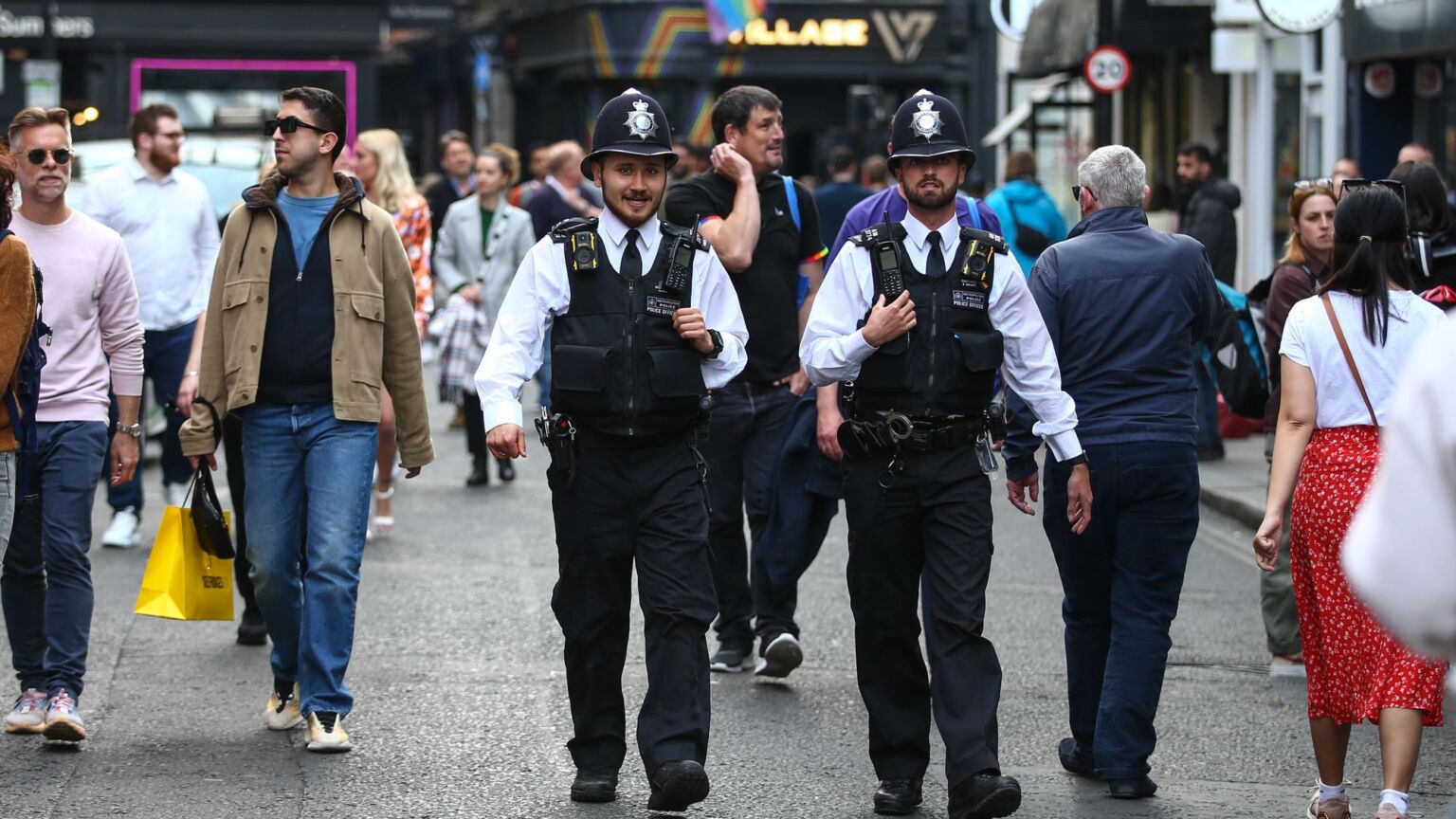
Personal, informal relationships are now similarly micromanaged. Disputes between neighbours and poor conduct on the streets were once resolved within communities themselves. But in 1998, ‘anti-social behaviour’ was formally codified in law, limiting the ability of Britons to enforce normal standards of behaviour in their own neighbourhoods without legal intervention. Today, responsibility for negotiating our personal relationships has been outsourced to the police, to council workers and to civil-mediation services. This reflexive appeal to an external, state or quasi-state authority over personal initiative has produced some ludicrous outcomes. Individuals have been arrested or threatened with arrest for actions as minor as feeding birds, playing loud music or complaining about their children’s school in a private WhatsApp group.
The ability to debate and disagree lies at the heart of a healthy democracy, yet this too has been undermined by governments determined to police speech — particularly on issues such as gender and immigration. Nurse Sandie Peggie was suspended by NHS Fife in 2024 after raising concerns about a trans colleague using the women’s changing room. Comedy writer Graham Linehan was arrested in September last year by five armed police officers for making jokes about trans activists on X. And more than 30 people were arrested for online posts related to the Southport riots two summers ago, which erupted after a mass stabbing at a Taylor Swift-themed dance class.
Whether it is managing risk, raising children, participating in political debate online or engaging in community life, today’s helicopter politicians have transformed Britain into a kindergarten. Liberal democracy has been hollowed out and reduced to a managerial process – something to be administered by experts and institutions rather than lived and practised by citizens themselves. We should resist accepting this constant nannying as the norm. A free society depends on trusting people with their own lives.
Sheila Lewis is a retired management consultant.
£1 a month for 3 months
You’ve hit your monthly free article limit.
Support spiked and get unlimited access.
Support spiked – £1 a month for 3 months
spiked is funded by readers like you. Only 0.1% of regular readers currently support us. If just 1% did, we could grow our team and step up the fight for free speech and democracy.
Become a spiked supporter and enjoy unlimited, ad-free access, bonus content and exclusive events – while helping to keep independent journalism alive.
———————————————————————————————————————————–
Exclusive January offer: join today for £1 a month for 3 months. Then £5 a month, cancel anytime.
———————————————————————————————————————————–
Monthly support makes the biggest difference. Thank you.


Comments
Want to join the conversation?
Only spiked supporters and patrons, who donate regularly to us, can comment on our articles.