How a DEI drive led the Met to hire a rapist
The police’s obsession with diversity has led to an unforgivable betrayal of the public.
Want unlimited, ad-free access? Become a spiked supporter.
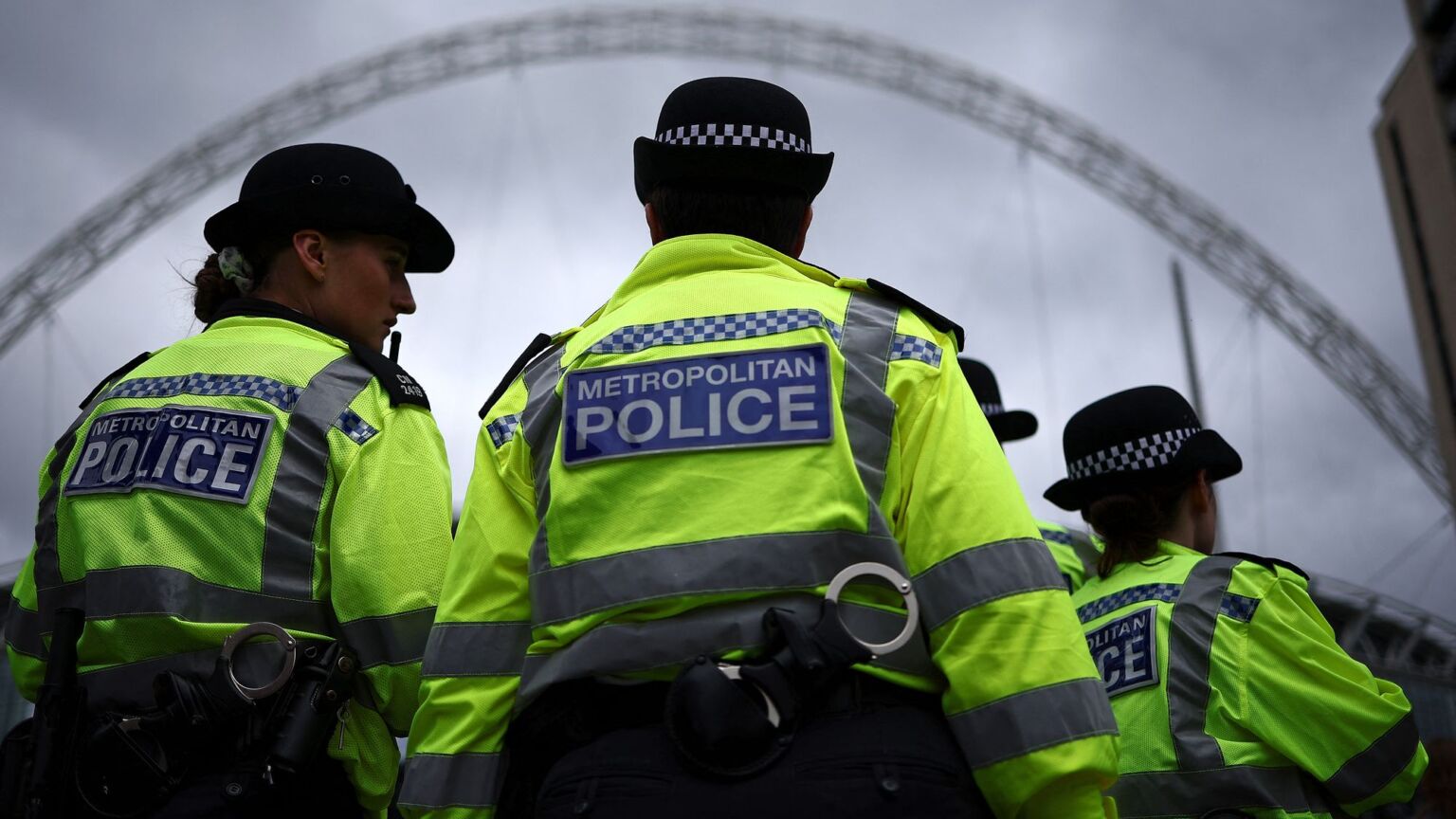
It has emerged this week that London’s Metropolitan Police have been prioritising Diversity, Equity and Inclusion (DEI) over the safety of the public.
According to news reports, a shadowy panel, established in 2018 and disbanded in 2023, ‘re-examined’ rejected applications from black and minority-ethnic (BAME) candidates in a bid to help the Met meet diversity targets set by the then commissioner, Cressida Dick.
Details of such practices have emerged as part of a broader review set up to establish how people such as Wayne Couzens, the serving officer who kidnapped, raped and murdered Sarah Everard, and David Carrick, a serial rapist, successfully applied to join the police despite many ‘red flags’ as to their behaviour. The review discovered that the Met failed to carry out sufficient background and vetting checks on more than 20,000 applicants between 2013 and 2023.
It’s the role played by the shadowy DEI-recruitment panel that is particularly shocking. During its existence, the panel overturned the previous rejection of 114 applicants on DEI grounds. One of the officers hired under this diversity push was Cliff Mitchell, who was given a job at Scotland Yard in 2020. Having been arrested in 2023, he has since been convicted of 10 counts of rape between 2014 and 2023. One of his victims was a child under the age of 13.
What makes the decision to hire Mitchell in 2020 so egregious is that he had already been investigated for raping a child in 2017. Yet despite originally knocking him back after he failed the vetting process, it seems the Met’s desire ‘to tackle disproportionality’ in its ranks (ie, have a more diverse police force) led it to overlook this very serious allegation.
This was far from the only grim recruitment failure thanks to this DEI drive. Of the 114 applicants accepted, 25 have since been convicted of assault, drug offences and other crimes.
All this is extremely disturbing. But can anyone really say they are surprised when police forces nationwide declare the numbers of their BAME recruits like Soviet tractor-production figures? Police forces today are very much judged by their DEI strategies. So much so, in fact, that they often appear to be prioritising the ‘diversity’ of their staff over preventing and solving crime.

The rationale for this obsession with race is the desire to have a police service that ‘reflects the community it serves’. This is an unquestioned decree, accepted as a matter of faith, uttered as a universal truth in modern police forces. It is also the last thing victims of crime or the community – black or white – care about. During my service at the Met, any victim or witness of crime I came into contact with cared about only two things. They wanted me to investigate the offence, and to engage with them in a professional, sensitive manner. They did not give a fig about my ethnicity.
The woke rot has set in across all police forces in the UK, but nowhere more so than in the Metropolitan Police. Indeed, such is the militant language being screamed at officers these days, that one would be forgiven for thinking that the Met has not reformed since the 1970s, when accusations of racism really were justified.
Recruitment or vetting standards should never be diminished in pursuit of diversity benchmarks in any role. It is always wrong to place an individual’s ‘identity’ above their abilities and character. But to do this in a police force is particularly negligent. It has, inevitably, led to the recruitment of officers who do not meet the moral or physical standards that policing demands and the public expects. At best, it leads to officers unable to manage high-pressure situations, administer justice impartially, or respond effectively to emergencies. At worst, it leads to the employment of rapists like Cliff Mitchell.
Public trust in law enforcement, already at historically low levels, will erode even further if merit is being subordinated to DEI objectives. Such was the rush to make the police more ‘reflective’ of the communities they serve that it was clear that some individuals who should have been nowhere near a police uniform found themselves in positions of power and authority. It is imperative that police recruitment maintains the highest standards, ensuring that nothing compromises public safety. If activist social-justice policies are allowed to continue within the police, the priorities of the public they are there to serve will never get a look in.
This story is a grave scandal. Through a combination of sheer laziness and racial prejudice, the police have undermined the safety of the public. Heads must roll for this failure.
Paul Birch is a retired police officer.
You’ve hit your monthly free article limit.
Support spiked and get unlimited access.
Support spiked and get unlimited access
spiked is funded by readers like you. Only 0.1% of regular readers currently support us. If just 1% did, we could grow our team and step up the fight for free speech and democracy.
Become a spiked supporter and enjoy unlimited, ad-free access, bonus content and exclusive events – while helping to keep independent journalism alive.
Monthly support makes the biggest difference. Thank you.






Comments
Want to join the conversation?
Only spiked supporters and patrons, who donate regularly to us, can comment on our articles.