My field is environmental policy, management and politics. The key challenge in this field is to learn how to distinguish between knowledge and ideology. Science and politics.
Environmentalism has become a powerful political force - and one that has supported the marketisation/privatisation of our economies - so that the pressure on the state to regulate, provide financial incentives, tax and punish those not behaving ‘green’ or ‘sustainably’ could seriously increase, undermining both economic and scientific progress, and reduce private freedom. Soft eco-fascism could emerge - green imperialism is already emerging as a part of UK global diplomacy.
The issues that society should be addressing in the next 18 years are:
Declining mental health/treatment of prisoners - an institutional and legal issue. This is not part of my field, but is part of my personal experience.
Waste management - rational saving of resources is a good idea as long as it makes economic sense! Landfill may not be a bad idea for some wastes. Economic rationality should not be discarded for ideology labelled ‘sustainability’.
Energy supply and demand - a complex issue which remains resting on a single unproven hypothesis, namely that dangerous, man-made global warming can be mitigated by carbon dioxide sequestration. Trade in energy will remain a major international business and expert advice should come from physicists, engineers and economists rather than environmentalists.
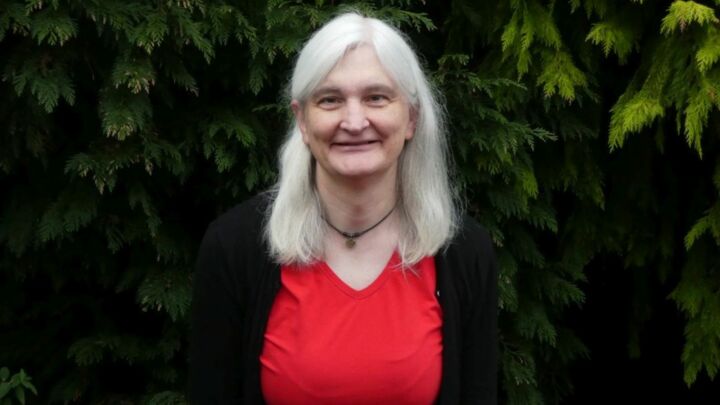
Sonja Boehmer-Christiansen is coauthor of International Environmental Policy: Interests and the Failure of the Kyoto Process (buy this book from Amazon (UK) or Amazon (USA)), and Acid Politics: Environmental and Energy Policies in Britain and Germany (buy this book from Amazon (UK) or Amazon (USA)).
|